
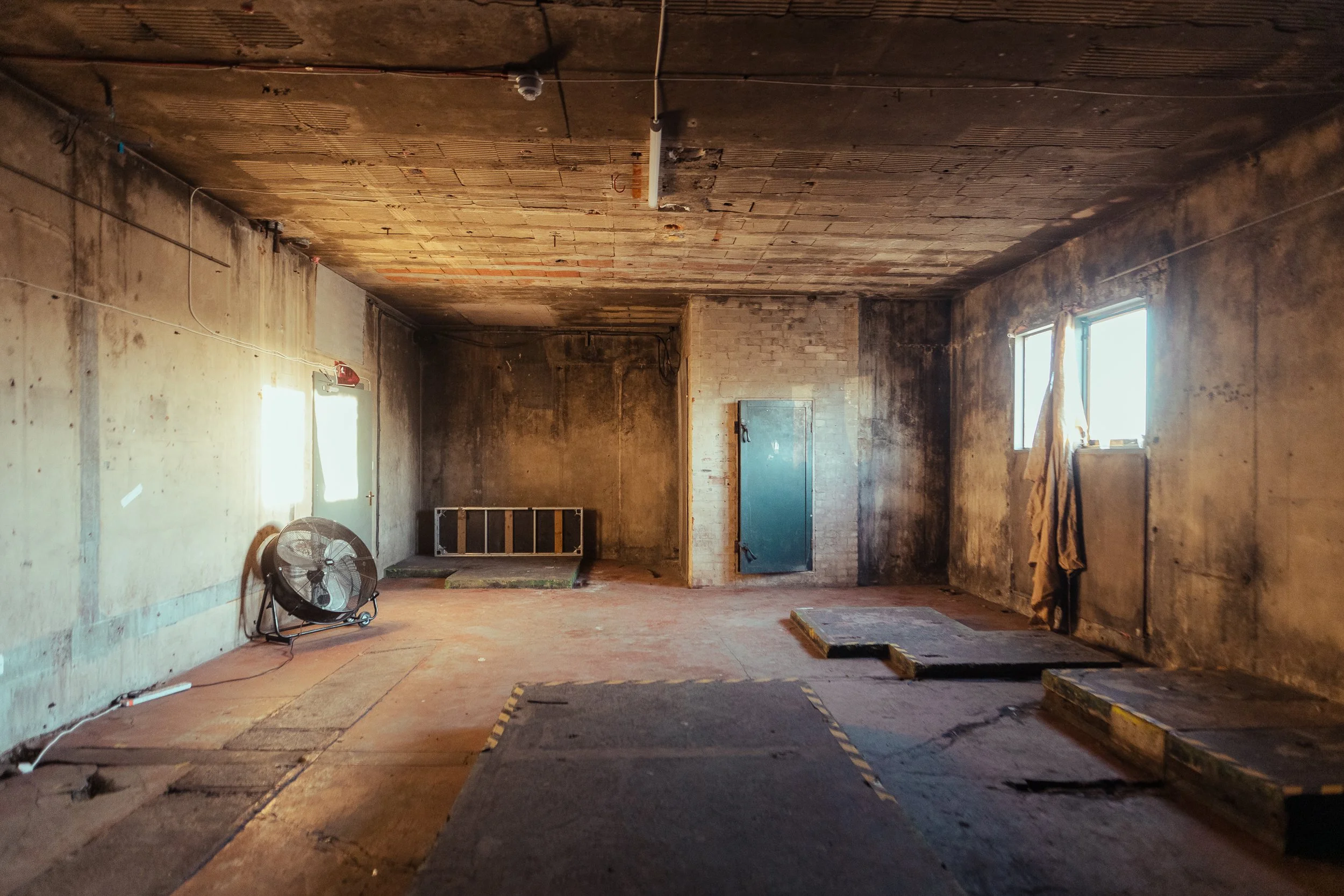
Brutalist Concrete Playground, a film location in London.
19th of Oct, 2026.
Industrial Locations: The Warehouses, Workshops and Units Productions Keep Coming Back For
Key Takeaways:
Industrial space is one of our most consistently requested categories, and one of the least glamorous. No cornicing, no roll-top bath, no "wow" photograph for the brochure — just concrete, steel and the kind of blank canvas a dressing team can turn into almost anything.
The checklist is technical, not aesthetic. Power supply, floor loading, ceiling height and vehicle access decide whether a unit gets booked long before anyone asks what it looks like.
The owners are different, and so is the conversation. Commercial landlords and business occupiers worry about downtime and liability, not whether a crew will respect the good sofa — which changes what we need from a brief before we can say yes.
The Buildings Nobody Puts on a Postcard
Most of what gets photographed for a location agency's socials is the obvious stuff: the Georgian townhouse, the walled garden, the church with the stained glass. Warehouses don't photograph the same way, and they don't need to. A unit with a cracked concrete floor and a rusted roller shutter can be worth more to a production, in a single week, than most of the period houses on our books — because what it offers isn't beauty, it's possibility.
That's the pitch we make to location managers who haven't worked with us on industrial space before: stop looking for character and start looking for capacity. A big, empty, structurally sound shell is one of the most flexible things you can put in front of an art department.
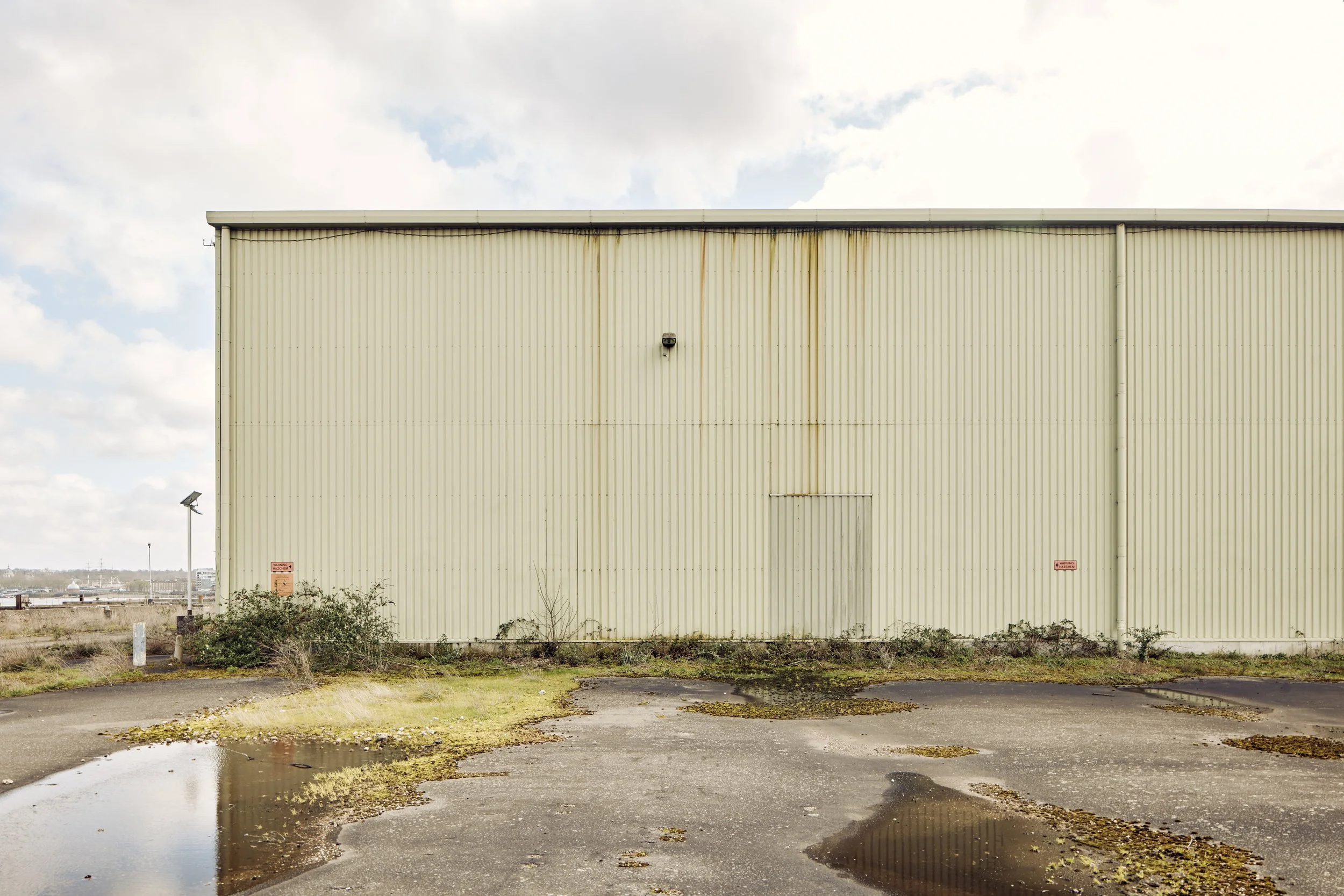
Deptford Warehouse, a film location in London
What's Actually in Demand
"Industrial" covers more ground than people assume, and the categories book differently:
Warehouses and distribution units — large open floorplates, ideal for builds, stunt work, or anything needing genuine scale.
Light industrial workshops — smaller, scrappier, often already fitted with machinery or workbenches that art departments love dressing around rather than stripping out.
Disused factories and mills — period industrial character for drama and gritty commercial work, usually with planning or heritage conditions attached.
Trade yards and depots — exterior space, hard standing, and the kind of vehicle access that's impossible to fake on a backlot.
Business park units — the least cinematic on paper, and some of the most booked, because they're clean, close to motorway junctions, and available at short notice.
The Technical Checklist That Actually Gets a Unit Booked
With a house, the first question is usually "does it look right?" With an industrial space, that question comes fourth or fifth. What comes first:
Three-phase power, and how many amps are actually available on site.
Floor loading — can it take a generator, a crane, or a vehicle driven in for the shot.
Clear height to the roof trusses or lowest obstruction.
Loading bay width and turning circle for a grip truck or a low-loader.
Blackout capability, or how much daylight bleeds in once the shutters are down.
Drainage and washdown, especially for anything involving water, fire or paint.
Get those six answers before a scout even visits, and you've already saved everyone a wasted trip.
Who's Actually Booking Them
The brief mix for industrial space looks nothing like the brief mix for a country house. Commercials and music videos are the biggest users — a blank unit is cheaper and faster to turn into a spaceship, a boxing gym or a nightclub than almost any alternative. Fashion and stills teams book them for the same reason: total lighting control, no windows fighting the strobes. Drama and thriller productions come looking for something specific — a derelict feel without the actual structural risk of a genuinely derelict building — and increasingly, sci-fi and prestige TV are building entire sets inside units that were, a fortnight earlier, somebody's logistics operation.
The Access Conversation Is a Different Conversation
Here's the part that catches new clients out: the person signing off on a warehouse brief isn't thinking about their home being disrupted, because it isn't their home. They're thinking about whether their business can still function, whether their insurance covers a film crew on the premises, and who's liable if a forklift and a dolly track end up in the same ten square metres. We ask for the same detail we'd want for any booking — crew numbers, dates, vehicles, any special effects — but we frame the conversation around operational downtime, not domestic disruption. Get that framing right in the first email, and sign-off moves much faster.
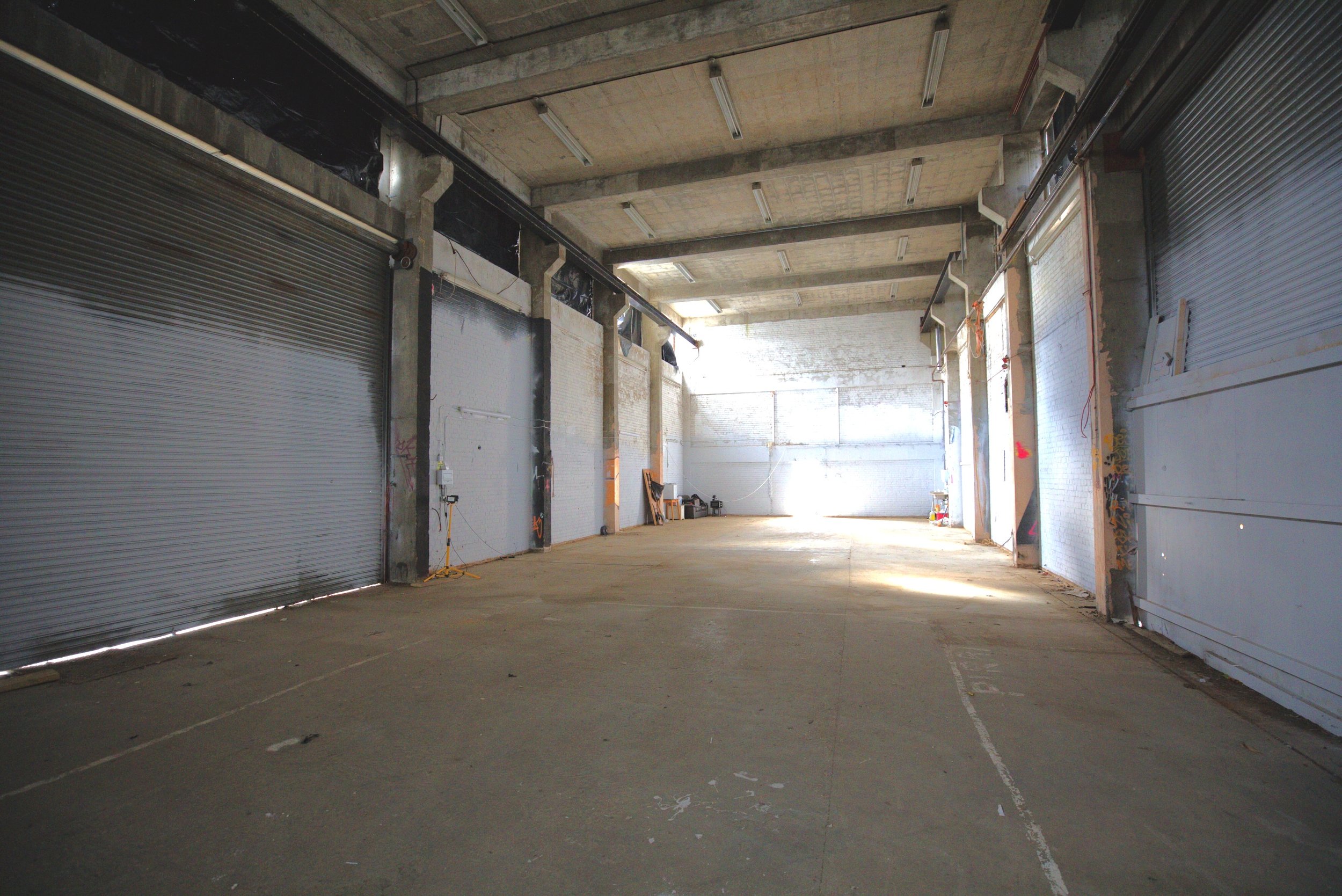
Oslo Nine, a film location in London.
Our View
We think industrial space is still underused relative to demand. There's no shortage of appetite from production — it's one of the categories we get asked about most — but the supply of well-documented, properly spec'd units hasn't caught up. The agencies and owners who take the time to get the technical details on record once save themselves from answering the same six questions on every single enquiry.
Got a Brief That Needs Scale, Not Scenery?
If you're sourcing a warehouse, workshop, yard or industrial unit, send us the technical specifics as well as the creative brief — power, floor loading, access and availability matter as much as the look. We'll match it against what we already have on file and come back with options fast.