
Why the Best Filming Locations Are. Already Booked Before you Start Looking
26th of Oct, 2026.
WHY THE BEST FILMING LOCATIONS ARE ALREADY BOOKED BEFORE YOU START LOOKING
Key Takeaways:
Lead time varies enormously by production type. A commercial might need a decision in days; a returning drama series will be locking in locations for a transmission date more than a year away. Knowing which calendar you're on changes how early a brief needs to go out.
The most photogenic properties aren't available on demand. A handful of period houses, distinctive industrial units and well-located flats carry a disproportionate share of bookings, which means they're also the first to fill up for any given season.
Leaving it late doesn't just risk losing a location — it risks losing the right one. The property that's still free in week three is rarely the one that was right for the brief in week one.
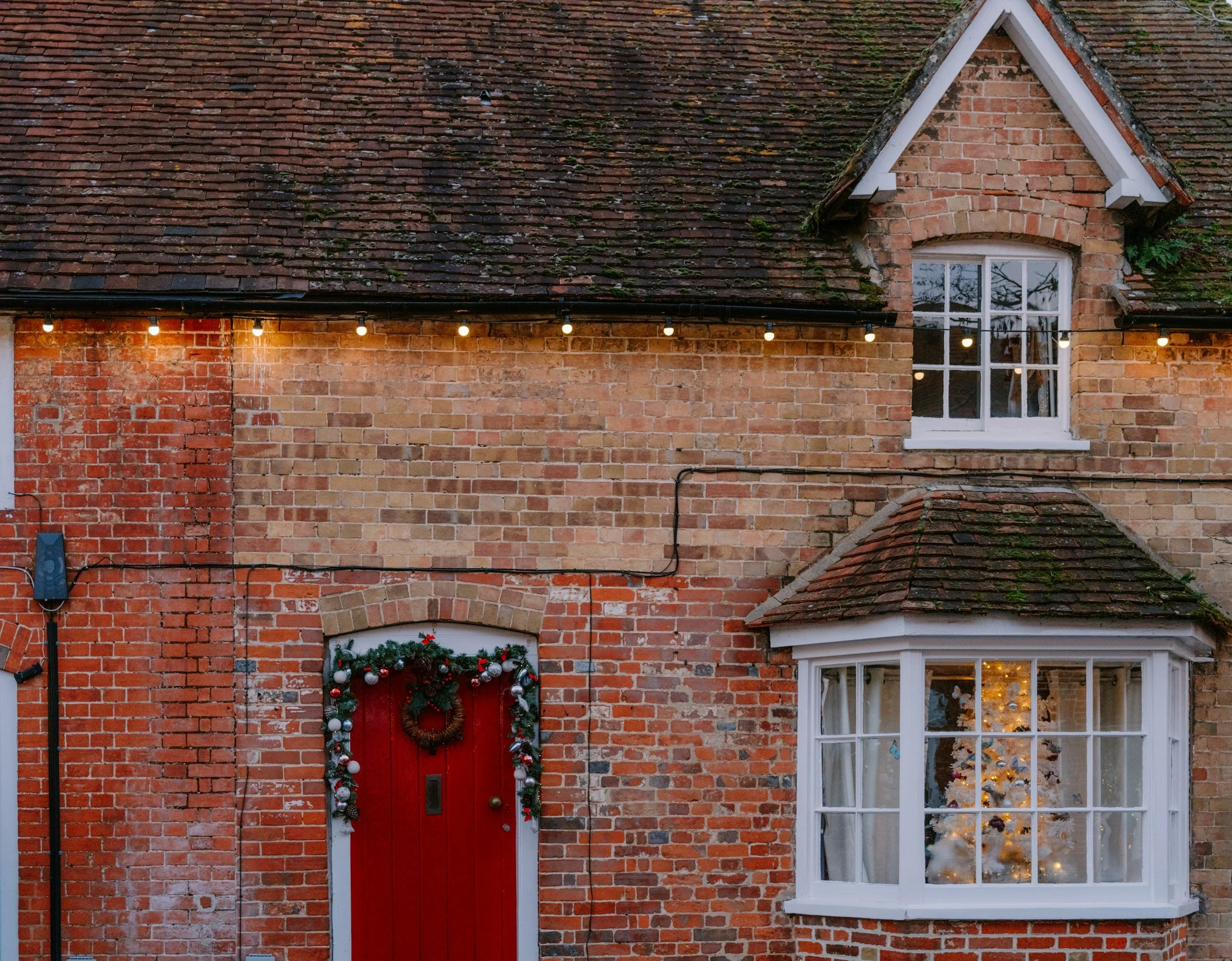
Most of the Christmas adverts you'll see on television this December were filmed in July, in the middle of a heatwave, with fake snow trucked onto a lawn in Surrey. It sounds like a joke location managers tell each other, but it isn't — it's just how far ahead the good calendar slots at the good properties get claimed. By the time a brief lands on our desk asking for "somewhere that feels like Christmas," the handful of properties that actually deliver that look are already crossed off for the month.
That's true of more than Christmas ads. Every production type has its own invisible booking calendar, and the properties that work best for each one tend to get locked in long before most people start thinking about it.
Christmas in July
Agencies start briefing festive commercials around Easter. By June, scouts are out looking at living rooms, hallways and front gardens that can carry fairy lights and a fake fireplace without looking staged. Shoots happen through July and August, while the rest of the country is trying to book a beer garden, not a Christmas set. The properties that read as "warm, family, traditional" on camera are a small pool, and they go first.

Modern Edwardian, a film location in London.
The Drama Series Pipeline
A returning drama series works on a different clock entirely. Commissioning, scripts and a transmission slot can all be locked in twelve to eighteen months before broadcast, and location scouting starts not long after the first draft scripts exist. For a series that returns to the same handful of standing sets and recurring exteriors, the production will often want first refusal on those properties for the following series before they've finished shooting the current one.
Feature Films: Locked In Before the Full Script Exists
Features sit somewhere between the two extremes. A location department might be scouting against an outline or a partial script, holding several options at once because the creative brief is still moving. What's consistent is that the properties under serious consideration are usually under informal hold — a polite "we'd love first refusal" — weeks or months before a contract is signed, which is exactly why a strong brief early is worth more than a perfect brief late.
Stills and Commercials: Short Fuses, Same Competition
Not every brief has the luxury of a year's notice. Stills shoots and many commercials are booked in days, not months, which makes them feel like the opposite problem — except they're competing for exactly the same small pool of standout properties as the long-lead productions. A fast-turnaround brief doesn't get a quieter market; it just gets less time to find out whether the property it wants is already gone.
Why Period Properties Get Snapped Up First
Ask any location manager which properties they struggle to find and the list is short and specific:
Georgian or Victorian houses with unmodernised, character-rich interiors
Industrial units with real age and texture rather than a recent refit
Flats with genuine period features and enough natural light to shoot without a heavy rig
Gardens and exteriors that read as "anywhere" rather than somewhere instantly recognisable
Everyday flats and homes with enough space to move around in
These properties are oversubscribed relative to supply in every season, which is why they're the ones most likely to be gone by the time a brief arrives without much runway.

Skylight Studio, a film location in North London.
The Cost of Leaving It Late
A late brief doesn't usually mean no location — it means a compromised one. Teams end up paying more for the fewer options left, dressing a less suitable property harder to make it work, or quietly adjusting the creative to fit whatever's still available. None of that shows up as a line item, but it shows up on screen, and it almost always traces back to a booking window that started later than it should have.
How We Help Productions Plan Ahead
Part of our job is knowing which properties are realistically in play for a given month before a client asks, and flagging early when a brief is chasing a very small pool. We'd rather tell a production in week one that their dream street is already held for three weeks in the autumn than let them discover it in week four.
Ready to Lock In Your Dates?
If you're starting to think about a brief — even one that's still a date on a whiteboard rather than a finished script — tell us now rather than later. We'll let you know what's realistic for your timeline and start holding the right conversations before the calendar closes around you.