
WHAT DOCUMENTARY PRODUCTIONS NEED FROM A LOCATION THAT DRAMA DOESN'T
What Documentary Productions Need From a Location That Drama Doesn't
5th of Oct, 2026.
What Documentary Productions Need From a Location That Drama Doesn't
Key Takeaways:
The brief arrives differently. A documentary request rarely asks what a location looks like first — it asks what a location allows. Dates, duration, and how much real life has to keep happening around the crew come before aesthetics.
Access is the real currency, not square footage. A documentary production will often pay more attention to how many return visits a space can absorb than to how photogenic it is on day one.
Discretion has to be designed in from the first call. Confidentiality, consent, and knowing exactly who needs to not be in shot are part of the location brief itself, not an afterthought handled on the day.
A Different Kind of Ask
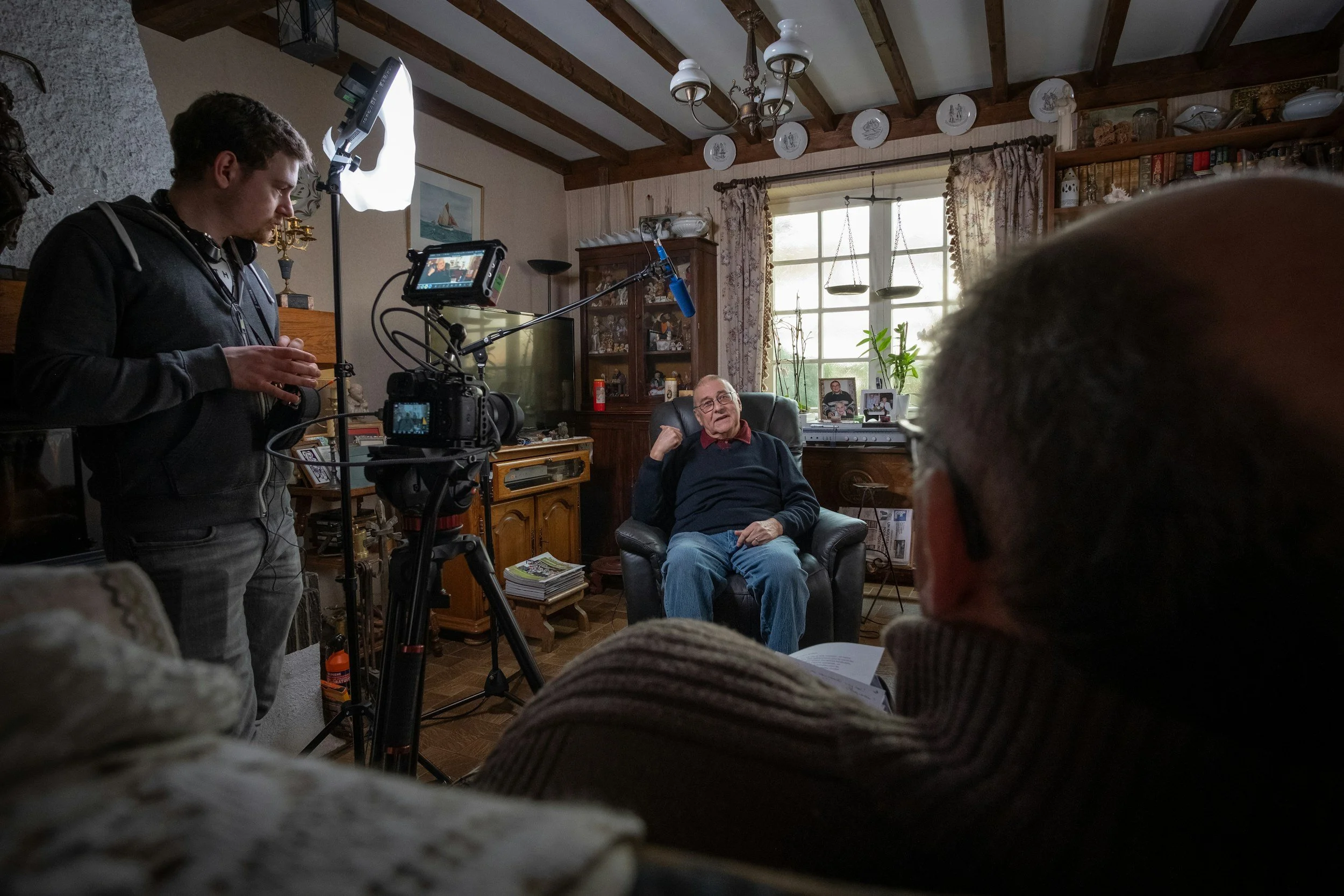
A drama crew dresses a location until it looks like somewhere else entirely. A documentary crew asks a location to do the opposite: keep being exactly itself, while a small team with cameras moves through someone's actual Tuesday. That single difference changes almost everything about how we match a brief to a property.
Where a drama scout is hunting for a convincing double — a kitchen that can pass for 1987, a street that reads as Dublin — a documentary scout is hunting for the real thing, unbothered. The question isn't "can this location become something else?" It's "can this location stay itself with a crew inside it for three days, two more next month, and a pick-up shoot in the spring?"

Acton Studios, a film location in London.
Authenticity Beats Set Dressing
There is no production design department smoothing over the gaps. What's on the walls, what's in the fridge, the wear on the stair carpet — all of it is the point. We've had documentary briefs turn down a beautifully styled commercial-ready property in favour of a lived-in workshop with peeling paint, simply because the paint told the truth the production needed.
That means our job shifts earlier in the process. Instead of presenting the most polished properties on our books, we're reading the brief for texture — a family-run business, a working allotment, a terraced house that's had the same owner for thirty years — and going out to find it rather than pulling it from a shortlist.
Access Isn't a Day. It's a Relationship.
Factual and observational documentaries rarely wrap in one visit. A single commission can mean:
An initial access day with a skeleton crew to test whether the space works at all
Several filming blocks spread across weeks or months, following a season, a process, or an event
A pick-up visit after the edit identifies a gap
A return for stills or a poster shoot once the production is finished
Each of those touches the owner's life differently, and each one needs agreeing up front — not renegotiated every time the crew wants to come back. Part of brokering a documentary location well is setting those terms clearly at the start, so nobody is surprised by visit four.
Smaller Crews, Longer Stays
Documentary units are usually leaner than a drama unit — often a director, a camera operator, a sound recordist, and not much else. That smaller footprint is genuinely easier on most properties. But it's offset by time: a crew of four in a space for eight hours a day across three weeks asks more of a location, and of its owner's patience, than a drama unit that's in and out in a single long day.
Owners who assume "smaller crew" means "lighter ask" are sometimes caught out by the duration instead. Part of briefing a location properly for documentary work is being upfront about that trade-off before anyone signs anything.
Discretion, Consent and Comfort
Because documentary subjects are often real people living real lives on camera, the location brief carries considerations a drama brief doesn't:
Who else uses the space, and do they need to be informed — or kept out of shot entirely
Whether any areas are off-limits regardless of how useful they'd be on camera
What happens to footage of neighbours, passers-by, or anyone who didn't sign a release
How much notice an owner gets before a return visit, versus a drama shoot that's usually one and done
None of this is unusual to navigate — it's a normal part of factual production. But it has to be raised at brief stage, not discovered by the owner on the day a boom mic appears over the garden fence.
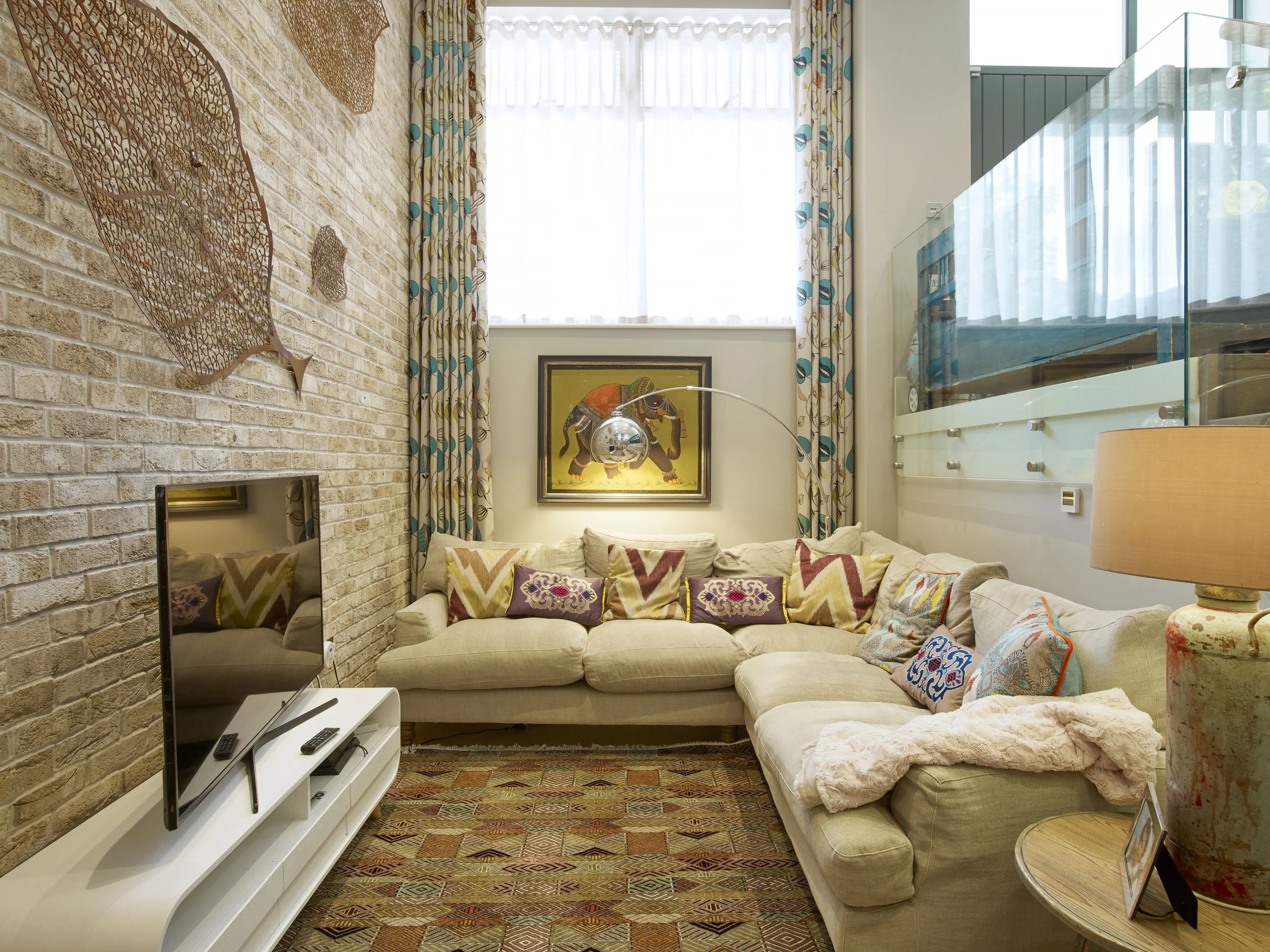
Clapham, a film location in London.
What We're Actually Scouting For
When a documentary brief lands on our desk, we're weighing a different set of questions than we would for a commercial or drama enquiry:
Does the space still look and feel real, or has it been renovated into something generic?
Can the owner tolerate an open-ended relationship rather than a single fixed date?
Is there a story reason this location specifically, or would a dozen similar properties do just as well?
How much disruption can the people who actually live or work there absorb — honestly, not optimistically?
Getting those answers right before a location goes on a shortlist saves everyone a difficult conversation three weeks into a shoot.
Why This Matters to Location Managers and Scouts
Documentary work is a growing slice of what crosses our desk, and it rewards a broker who treats it as its own discipline rather than a smaller, cheaper version of drama. The locations that work best aren't always the ones that photograph well in a deck — they're the ones whose owners understand, from the very first call, exactly what they're saying yes to.
Got a Documentary Brief?
If you're sourcing a location for a factual, observational, or access-led documentary, tell us what the story actually needs — not just what it should look like. We'll go further than the usual shortlist to find somewhere that can hold up to real access, real time, and real people.