
FILM LOCATION ESSENTIALS: LOCATION OWNER EXPECTATIONS

24th of May, 2025.
Hiring a private property for film, television or commercial work involves far more than a shoot day. From the first recce to the final wrap, there’s a detailed process that can significantly impact the owner’s space, time and privacy.
This post outlines key expectations for location owners and serves as a guide for production teams and location managers to communicate clearly, avoid disruption and keep things professional throughout.
Key Points:
Film location hire typically involves multiple recces and large crew numbers, even before filming begins.
Production teams must provide clear documentation and request permissions for any alterations, disruption or sensitive content.
A set is a workplace — owners may need to vacate the premises and should not expect social access to cast or crew.

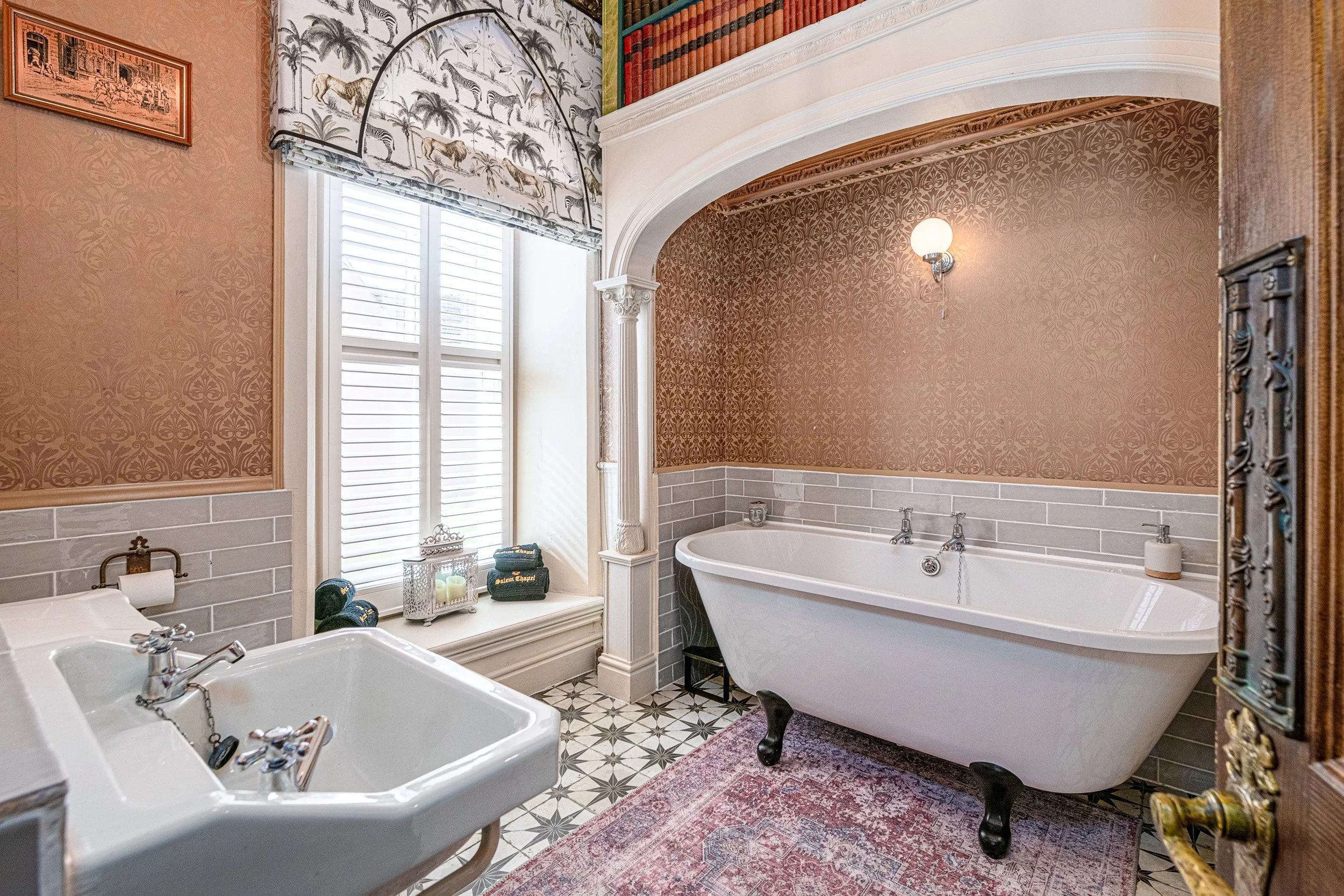
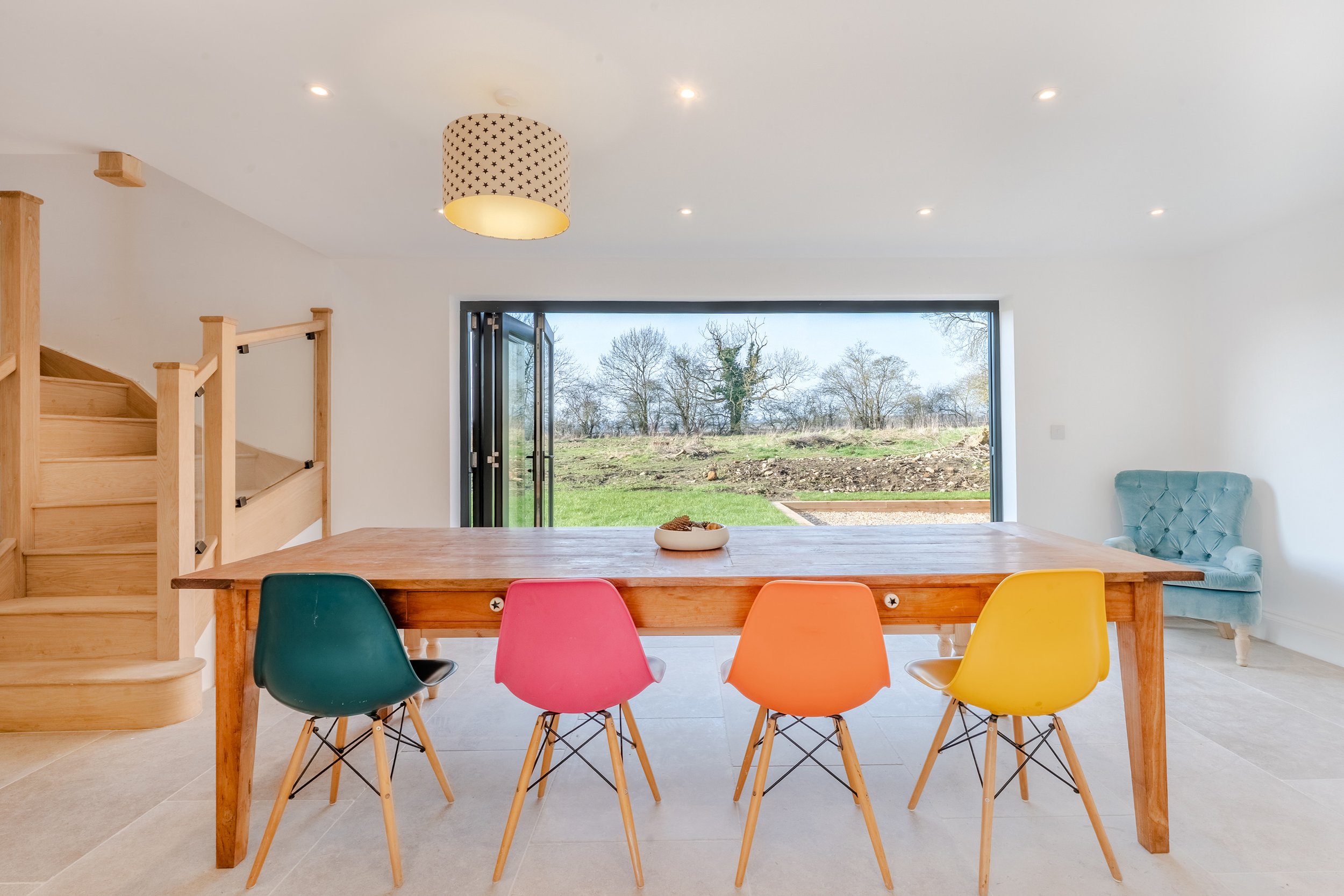
Casa Catalan, a new film location in Spain at SL.
Multiple Recces: Planning Starts Early
The term "recce" (short for reconnaissance) is used frequently in the film industry. These visits can begin weeks before filming and often involve different departments across several stages:
Initial Scout – A quick visit to check suitability usually conducted by a location scout or manager.
Director’s Recce – A creative walkthrough to visualise the scenes.
Art Department Recce – To plan dressing, props and visual adjustments.
Tech Recce – Heads of departments assess technical needs and space.
Electrical Recce – Focused on lighting, generators and power supply.
It’s not uncommon for these visits to bring in 5 to 40 people at a time, depending on the scale of the production. Larger TV dramas and feature films can require extensive access and coordination, meaning that once a recce date is agreed upon, changing it is both difficult and costly for the production company. Smaller productions, like photoshoots, branded content and some commercials will not include such extensive recce’ing.


Crew & Cast Numbers: Be Prepared for Scale
Even on a small shoot, activity can be intense. A crew of 10–15 is typical for commercials. For high-end TV or features, numbers may climb to 60–90, with people working across the property, garden, access routes and often the surrounding street.
This level of presence can feel like a full-scale operation, and it’s important for owners to anticipate high footfall, vehicle access, temporary structures, and occasionally, generators or catering facilities.
Paperwork, Permissions & Site Use
Location owners should expect a professional exchange of paperwork from the production. This often includes:
Requests to move or remove furniture
Permissions to repaint walls or affix set pieces
Details about any animals, cooking or hazardous activity
Description of the shoot, including tone and content (scripts are rarely shared)
Notification if material may be sensitive or controversial
Standard non-disclosure agreements (NDAs) to protect confidentiality
The more specific the production is about its intentions, the smoother the process becomes for both parties.
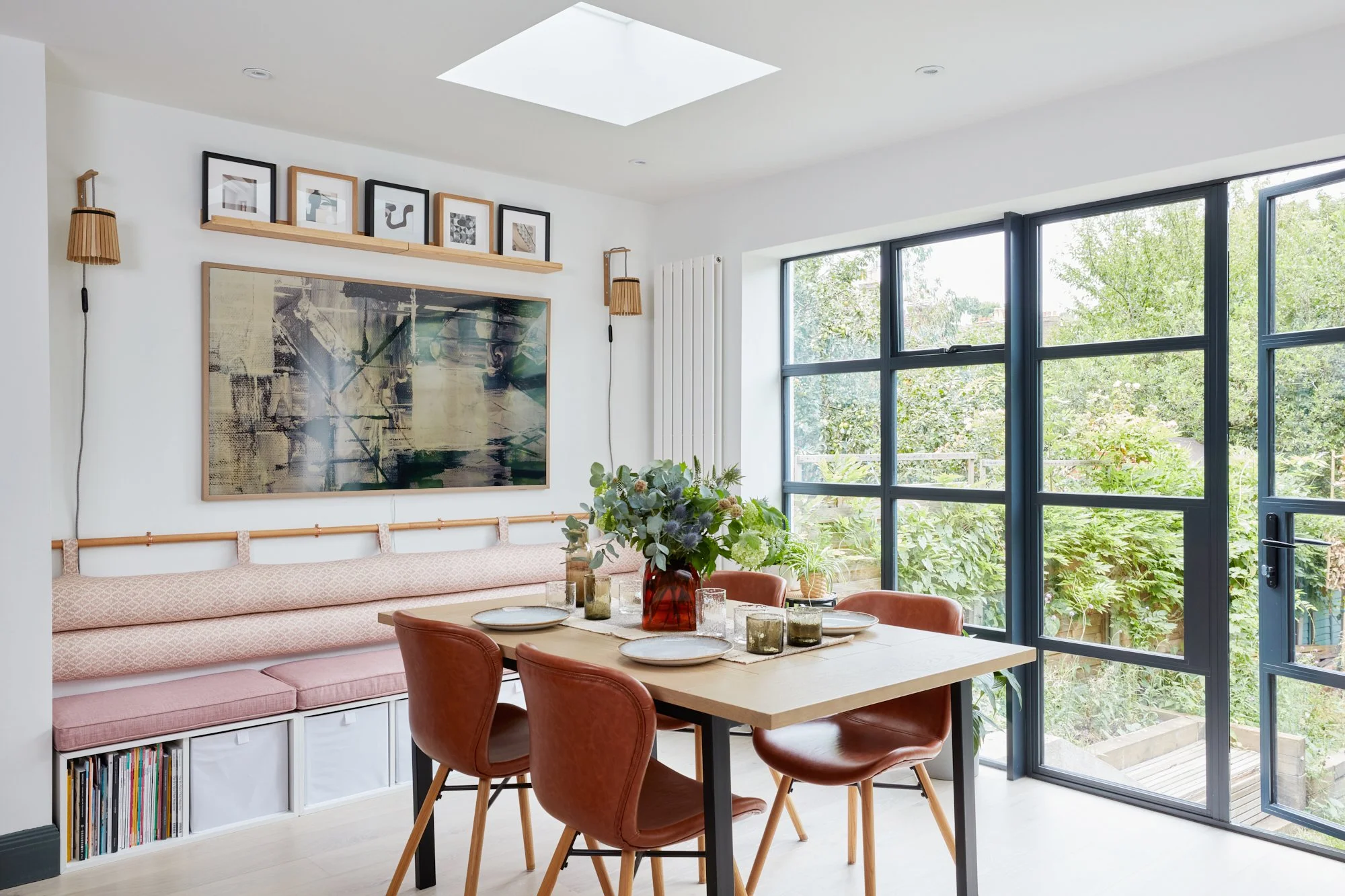
Crystal Palace, a family home film location in London.
Council Permissions & Legal Limits
Owners cannot grant permission for use of pavements, roads or airspace. These fall under the jurisdiction of local authorities or aviation regulators. Location managers and production teams are responsible for:
Applying for filming licences
Parking bay suspensions
Road closures or traffic management
Drone permissions from the Civil Aviation Authority (CAA)
Clear boundaries here avoid legal issues and maintain professional standards.
A Film Set Is Not a Social Space
Once filming begins, the property becomes a functioning worksite. Owners should understand the following:
Temporary relocation may be required for one or more days and this will be financially compensated
Children under 18 are not permitted on set unless pre-agreed
Loitering, taking photographs or engaging cast members is not appropriate
Access to scripts, call sheets or story details is rare, often restricted by confidentiality agreements
The demands of performance and production schedules mean every minute on set is carefully planned and pressured. Your reward is in the remuneration, and unfortunately not in the mingling.
For New Location Owners: A Realistic Opportunity
Hiring out a home or commercial space can be financially rewarding and creatively interesting — but it’s not a passive or social experience. Owners should approach it with the same seriousness and preparation as any business agreement.
For production teams, investing time early on in owner education, transparency and professional courtesy pays dividends in access, cooperation and reputation.
Ready to Hire or List a Film Location?
Whether you're looking to secure the perfect property for your next shoot or considering making your home available for location hire, clear communication and expert guidance make all the difference.
Reach out today to discuss your project, request a location brief or find out how to list your property professionally for film and TV work.