FILM LOCATIONS: HAMNET
Film Locations: Hamnet
8th of Feb, 2025.
CHLOÉ ZHAO’S HAMNET FILM LOCATIONS: A LOCATION MANAGER’S GUIDE TO THE UK SETTINGS
Key Takeaways:
Discover the real UK film locations used in Chloé Zhao’s Hamnet, from Herefordshire villages and Gloucestershire forests to London’s medieval Charterhouse — and why they work so beautifully on screen.
Real Properties Driving Narrative Impact – The production used genuine homes, institutions, streets and landmarks as integral elements of the story’s psychological tension, offering location owners a benchmark for cinematic appeal.
A POETIC MARRIAGE OF LANDSCAPE, HISTORY & STORY
Chloé Zhao’s adaptation of Maggie O’Farrell’s beloved novel Hamnet is a masterclass in naturalistic filmmaking. Rooted in tactile realism, emotional restraint and painterly composition, the film weaves together authentic UK locations, practical sets and subtle CGI to evoke 16th–17th century England with extraordinary sensitivity.
Rather than leaning into grand spectacle, Hamnet finds its power in intimate spaces: farmhouses, half-timbered villages, ancient courtyards and deep, mossy woodland. The result is a film that feels lived-in, grounded and timeless — a perfect case study for location managers, scouts and production designers searching for character-rich period environments.
Below we explore the key filming locations used in Hamnet and what makes each one cinematically compelling.
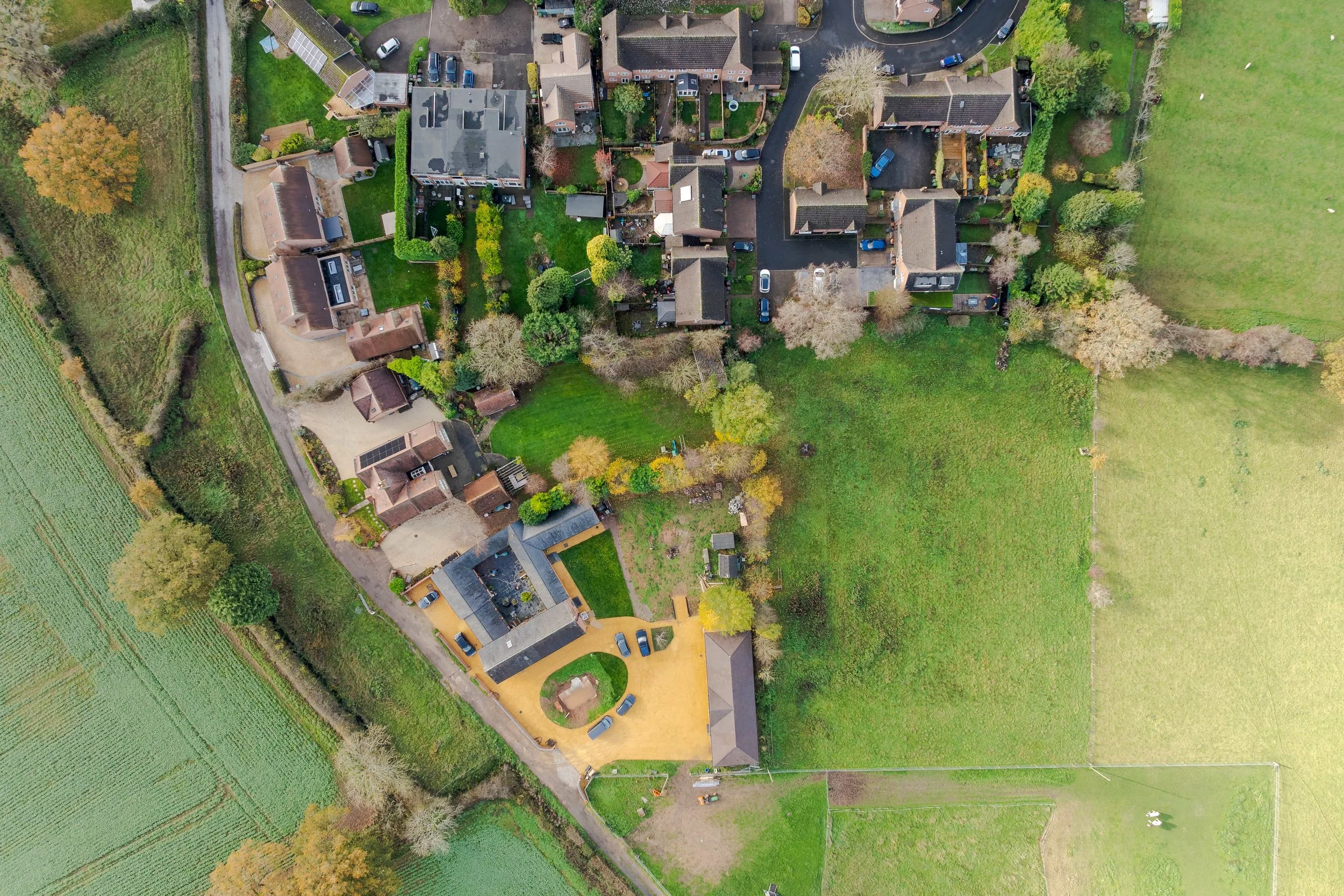
Country Farmhouse, a film location in the Midlands.
HEWLANDS FARM (HATHAWAY FAMILY HOME)
Cwmmau Farmhouse, Cwmma Road, near Brilley, Herefordshire
The Hathaway family home — known in the film as Hewlands Farm — is portrayed by Cwmmau Farmhouse, a Jacobean property dating from the early 1600s. Its weathered stone, low-beamed interiors and surrounding farmland create an authentic sense of rural domestic life.
Now managed by the National Trust, the property offers:
Period architecture with minimal modern intrusion
Expansive rural setting
Natural light-friendly interiors
The real historical Anne Hathaway’s Cottage still exists in Shottery near Stratford-upon-Avon and is managed by the Shakespeare Birthplace Trust, though filming took place at Cwmmau Farmhouse for logistical and aesthetic reasons.
Academic & Institutional Settings – Morristown
The Housemaid utilised several community and academic locales in Morristown, Morris County, such as:
Saint Elizabeth University – Santa Maria Hall (interiors and architectural backdrops)
The Peck School (exteriors doubling as narrative anchors)
The Madison Hotel (additional scene work)
These multifaceted sites show how institutional settings can enhance production scope and offer cinematic variety — whether for controlled interior shots or period-neutral exteriors.
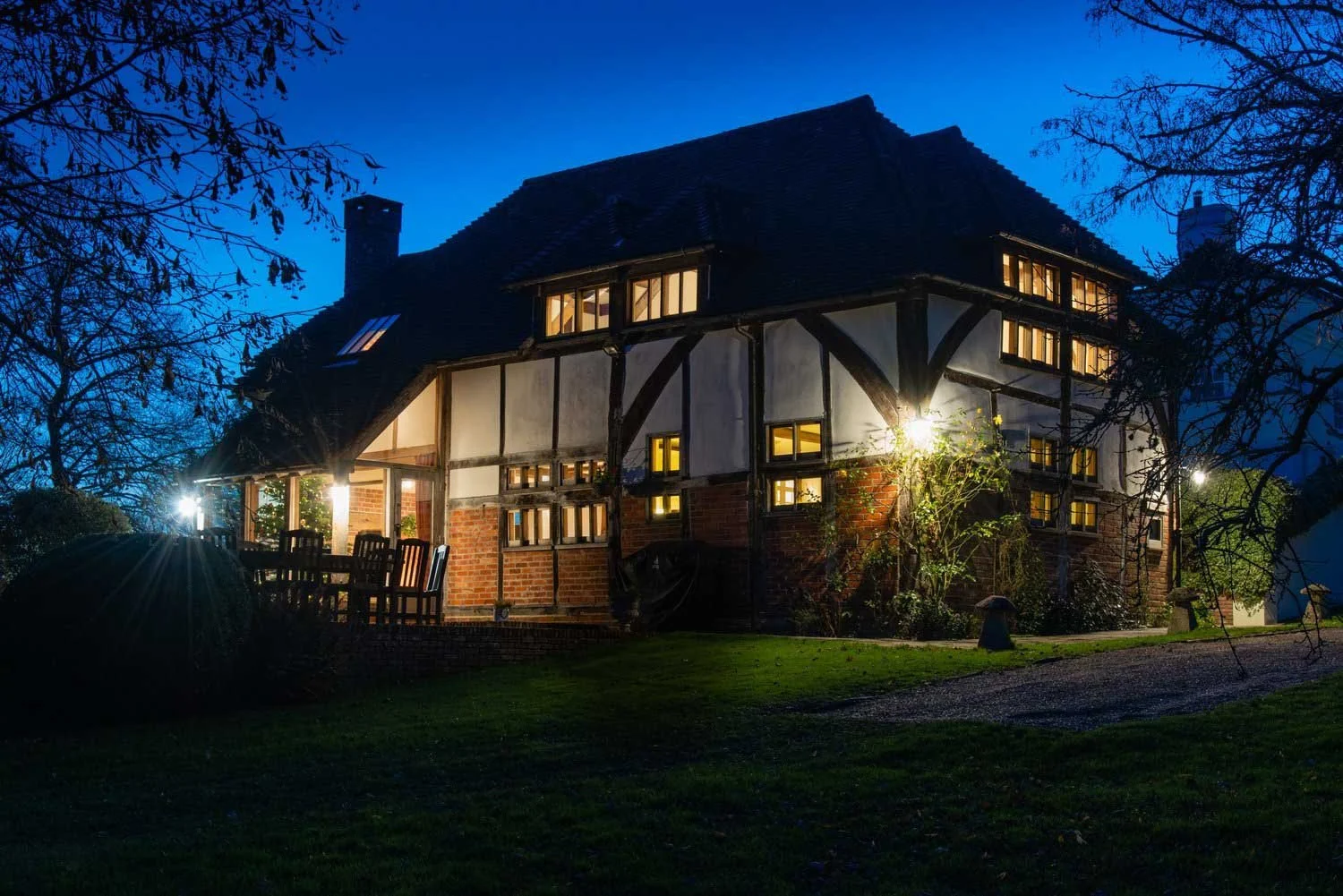
Hazel Cottage, a film location inn West Sussex.
LONDON: THE CHARTERHOUSE COMPLEX
Charterhouse, EC1 (near Barbican)
One of the film’s most important locations, the Charterhouse complex stands in for much of Elizabethan London.
Originally built in 1371 as a Carthusian priory, later converted into an almshouse, Charterhouse features:
Enclosed cobbled courtyards
Stone cloisters and arcades
Tudor and Jacobean architectural layers
Key filming areas include:
Master’s Court
Washhouse Court (also used for the shadow puppet performance)
Charterhouse Road (with blue screen used to extend views toward the Thames)
Today, the complex remains a working almshouse and houses over 40 residents, requiring sensitive filming protocols. The Chapel and Museum are open to the public, with guided tours offering access to interiors.
SHAKESPEARE FAMILY INTERIORS
Elstree Studios, Borehamwood
The interior of the Shakespeare household was built as a studio set, allowing:
Full lighting control
Modular wall movement
Weather-proof scheduling
The set seamlessly integrates with exterior location photography, illustrating how carefully balanced studio builds can support location-driven storytelling.
Wheatsheaf Farm, a film location in Buckinghamshire.
THE GLOBE THEATRE (FILM VERSION)
Elstree Backlot Set
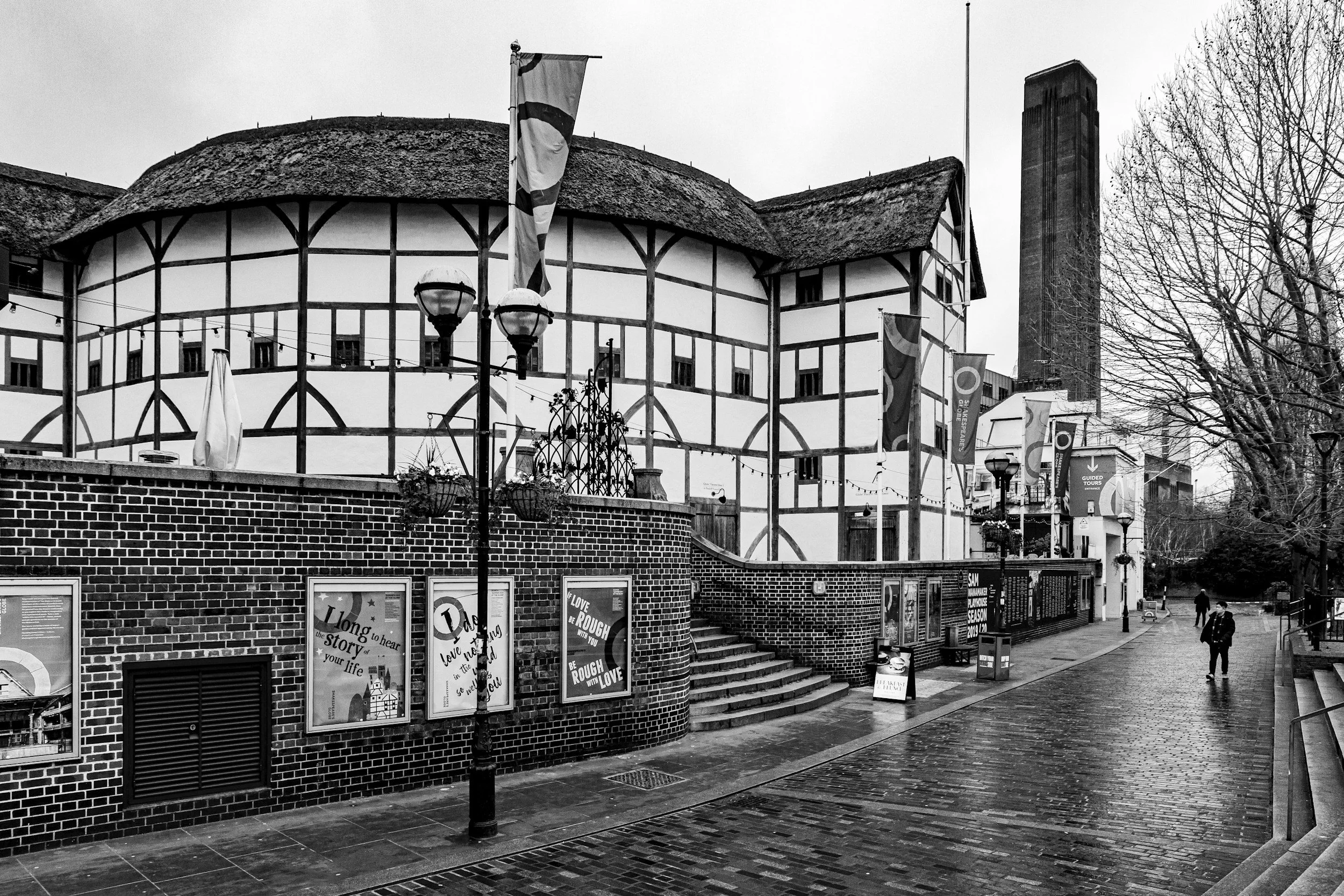
Rather than filming at Shakespeare’s Globe in Southwark, production constructed a bespoke Globe-inspired set on the Elstree backlot.
Built at ground level only
Upper galleries added digitally
Smaller scale to enhance intimacy
The result is a powerful, emotionally focused performance space that serves the film’s final act with remarkable impact.
FOREST BIRTH SEQUENCE
Lydney Park Estate, Aylburton, Gloucestershire (Forest of Dean)
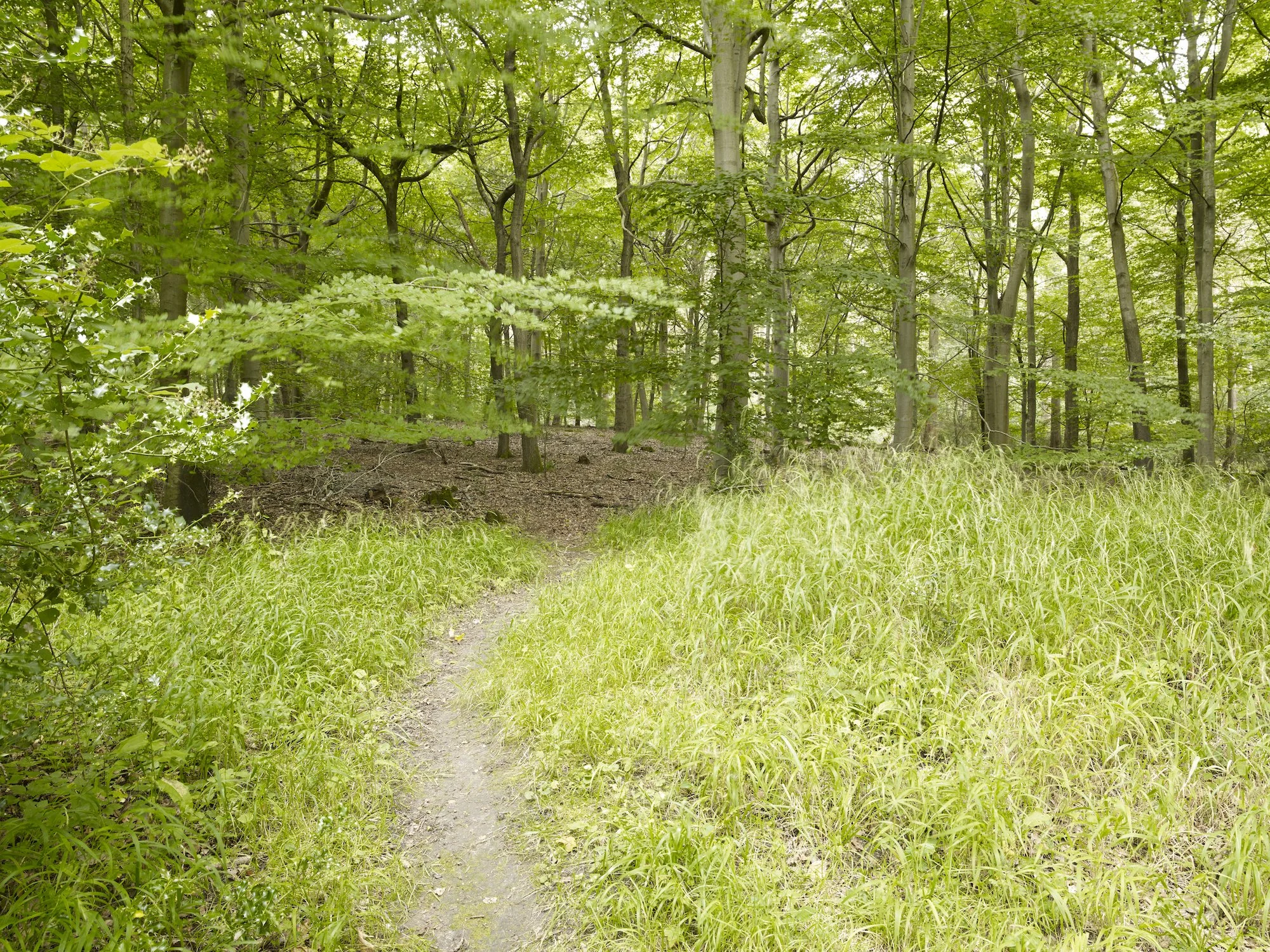
The lush woodland where Agnes retreats and gives birth to Judith was filmed within the Lydney Park Estate.
Notable features:
Mature woodland with dense canopy
Mossy ground cover and twisted root systems
Romantic, slightly mysterious atmosphere
The dark hollow seen among tree roots was a real feature, subtly enhanced for visual effect. The estate also includes gardens, historic ruins and accommodation options, making it production-friendly for longer shoots.
WHY HAMNET’S LOCATIONS WORK SO WELL
Real architecture carries natural patina
Landscapes feel emotionally expressive
Locations are modest in scale but rich in detail
Strong sense of enclosure and intimacy
Easy blend of practical sets and real environments
For productions seeking grounded period realism without grandiosity, Hamnet offers an ideal reference palette.
LOOKING FOR YOUR NEXT PERIOD LOCATION?
Whether you’re developing a period drama, literary adaptation, or historically inspired commercial, Silverstein Locations can help you find distinctive spaces that elevate story and streamline production.
Send us your next brief and let’s start scouting.