
HOW TO PREP YOUR SPACE FOR RECCES AND SHOOTS (WITHOUT OVERDOING IT)

How to prep your space for recces and shoots (without overdoing it)
2nd of Feb, 2026.
HOW TO PREP YOUR SPACE FOR RECCES AND SHOOTS (WITHOUT OVERDOING IT)
Key Takeaways:
A well-prepped location makes recce decisions faster. Clean, accessible and contract-ready spaces help location managers and scouts assess suitability without friction.
Consistency is everything. The closer your space looks on shoot day to how it appeared during the recce, the smoother the production will run.
A recce is not a house viewing, a showroom launch or a Pinterest reveal. It’s a practical, time-pressured inspection that helps location managers, location scouts and production companies decide whether a space will genuinely work for their shoot.
Over-styling, over-explaining or over-policing a recce can work against you. Under-preparing can do the same. The goal is simple: present your location clearly, accurately and professionally — without getting in the way.
Here’s how to strike that balance.
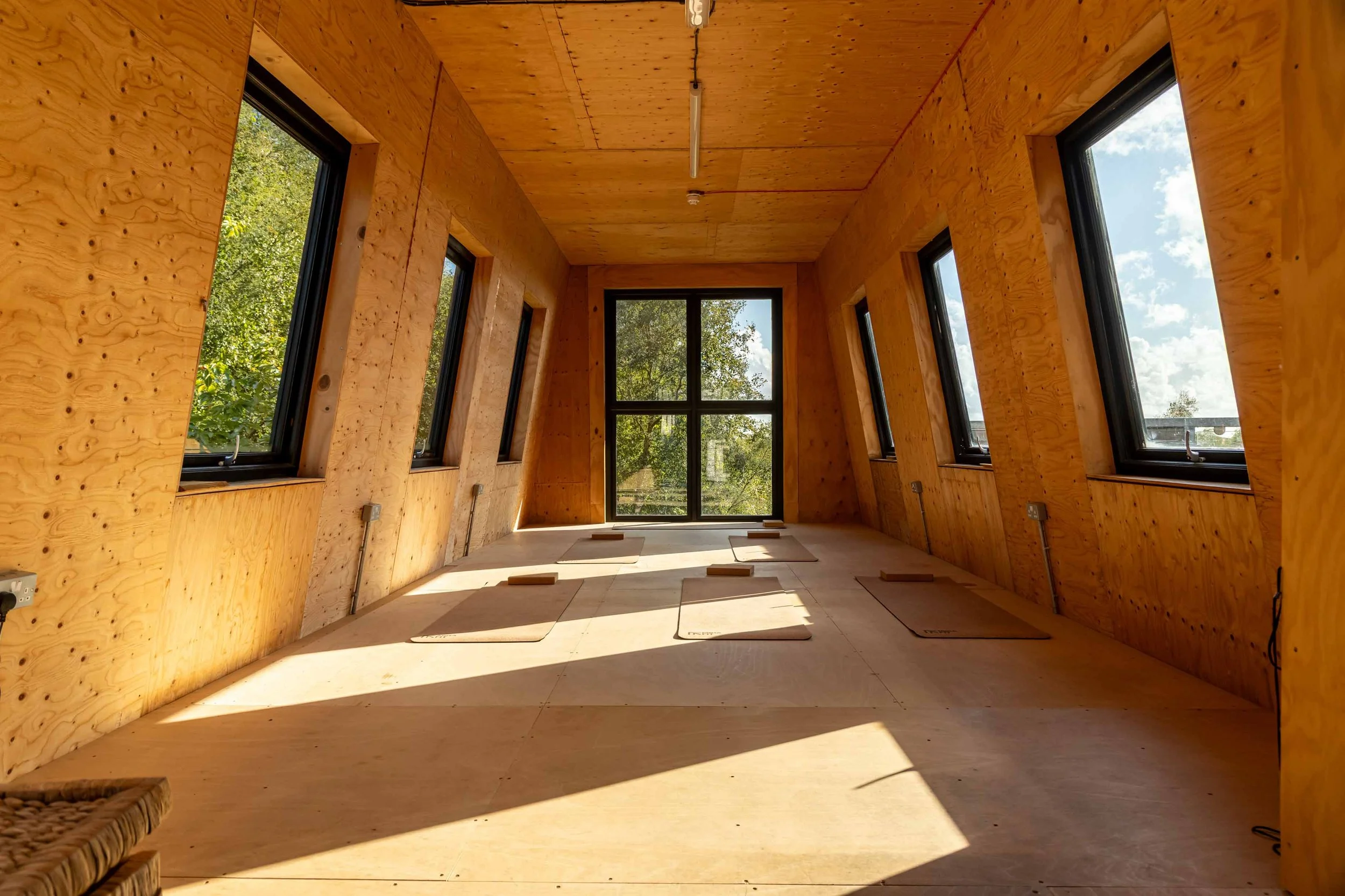
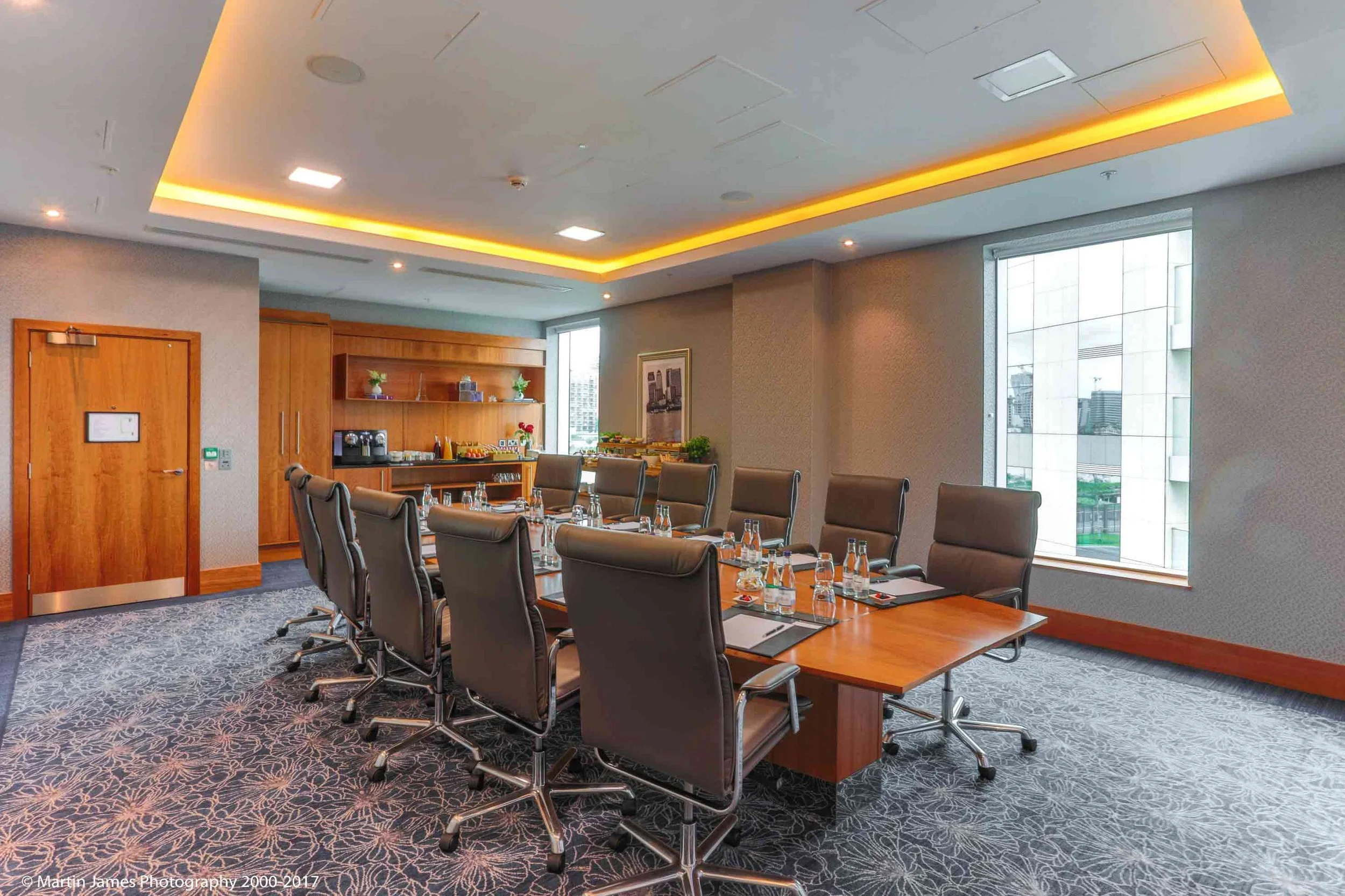


Start with the basics: clean, tidy, workable
Unless a production company has specifically stated otherwise, your space should be clean, tidy and easy to move through.
This doesn’t mean sterile or stripped of character. It means:
Floors are swept or hoovered
Surfaces are cleared of clutter
Bathrooms and kitchens are hygienic
Access routes are obvious and unobstructed
Location managers and scouts need to imagine crews, kit, lighting and movement within your space. A tidy environment allows them to focus on scale, layout, light and logistics — not distractions.
If a production is looking for a “lived-in”, distressed or messy look, this should be clearly briefed in advance. Otherwise, assume clean and neutral is the default.
Read the booking contract — then follow it precisely
By the time a booking contract lands in your inbox, any special requirements should already have been discussed and agreed between you and the production company.
That said, it’s essential to:
Read the contract carefully
Note any specific prep, access or usage requirements
Make sure you can fully comply before shoot day
If the contract outlines restrictions, access times, room usage, power limitations or prep requests, these are not suggestions — they’re agreed terms. Adhering to them protects both you and the production.
Clear communication from both sides during a recce avoids friction later.

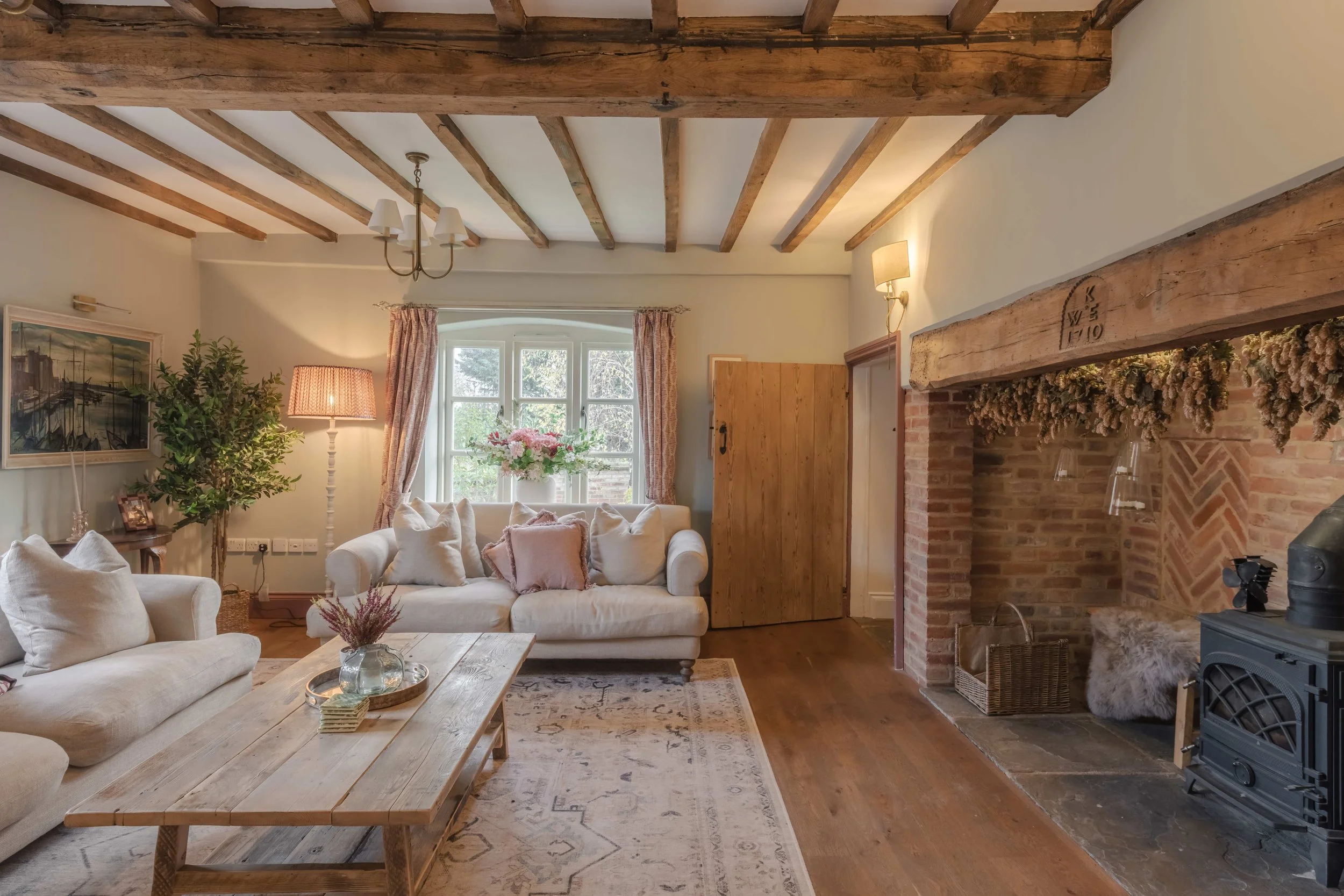
Casa Catalan, a film location in Spain.
Keep it consistent from recce to shoot
One of the biggest frustrations for production teams is arriving on shoot day to find a location that looks materially different from how it appeared during the recce.
As a location owner, your aim should be to ensure:
Furniture layouts remain broadly the same
Walls, floors and key features haven’t changed
Spaces discussed during the recce are still accessible
If something must change after the recce, flag it early. Consistency builds trust and keeps productions running on schedule.

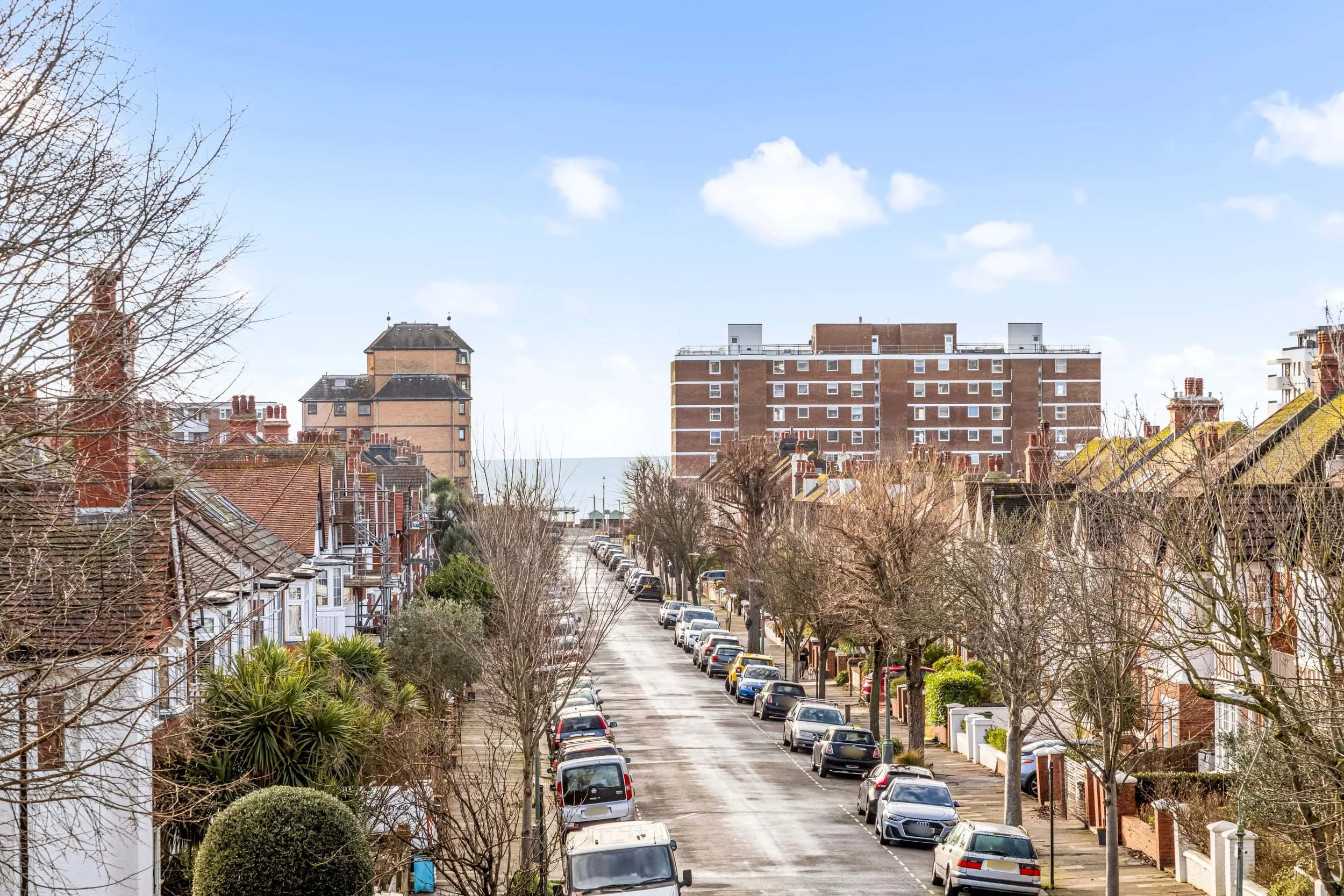
Dudley Modernist, a film locatin in the West Midlands.
Be your own insurance (even when PLI is in place)
Most professional production companies carry Public Liability Insurance (PLI) valued between £5 million and £10 million as standard. If a production doesn’t, that’s a red flag and should be addressed immediately.
In addition:
Damage deposits should be agreed and taken in advance
Insurance certificates should be provided on request
However, insurance is not a substitute for common sense.
Protect yourself by:
Putting away sentimental, sensitive or high-value items
Removing anything you would be upset to see damaged
Accepting that accidents can happen, even on well-run shoots
Think of this as being your own first line of defence.
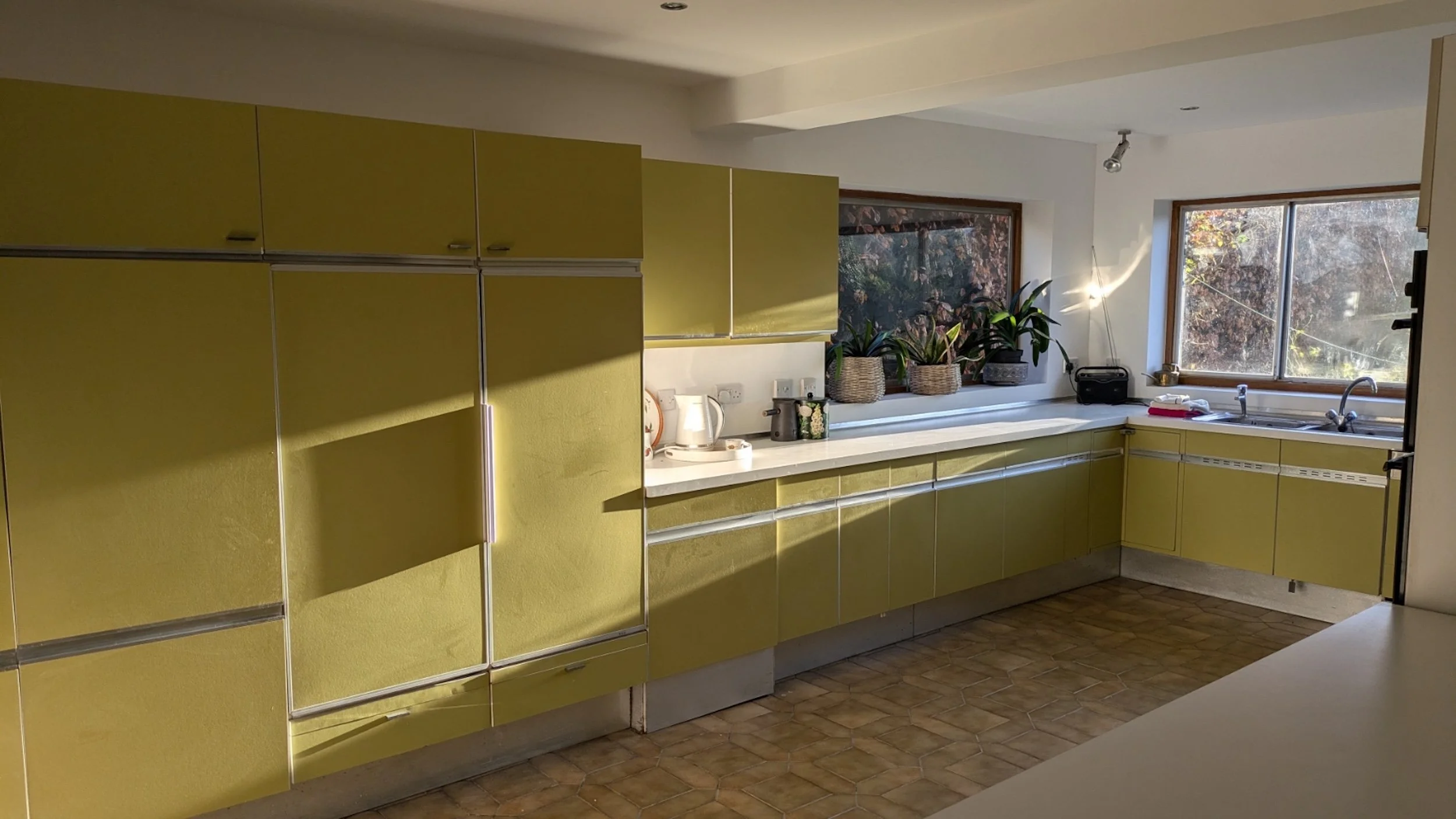
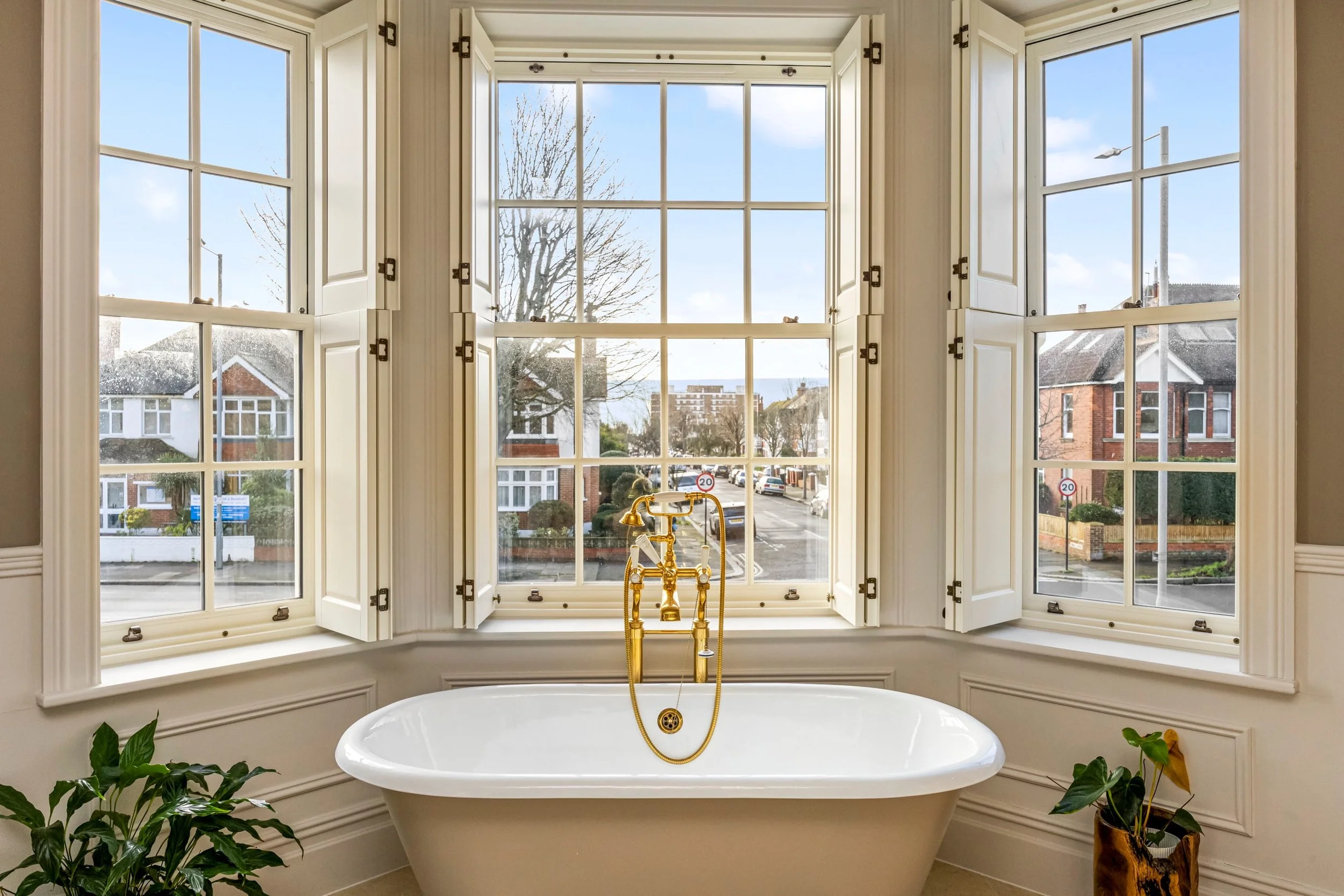
Film Location, Spalding in Lincolnshire
Floor protection, Wi-Fi and house rules: set expectations early
Floor protection is typically provided by the production team — but only if the requirement is specified ahead of time. If you have delicate flooring, flag it early so the right materials can be brought in.
It’s also helpful to clearly outline:
Wi-Fi details (if provided)
Any specific house rules
Power limitations or sensitive areas
Clear boundaries allow crews to work efficiently without constant check-ins.
Lock off rooms if you want extra security
If there are rooms or areas you don’t want accessed, it’s perfectly acceptable to:
Lock them
Clearly mark them as out of bounds
Make sure this is communicated during the recce or tech scout
This removes ambiguity and gives you peace of mind.
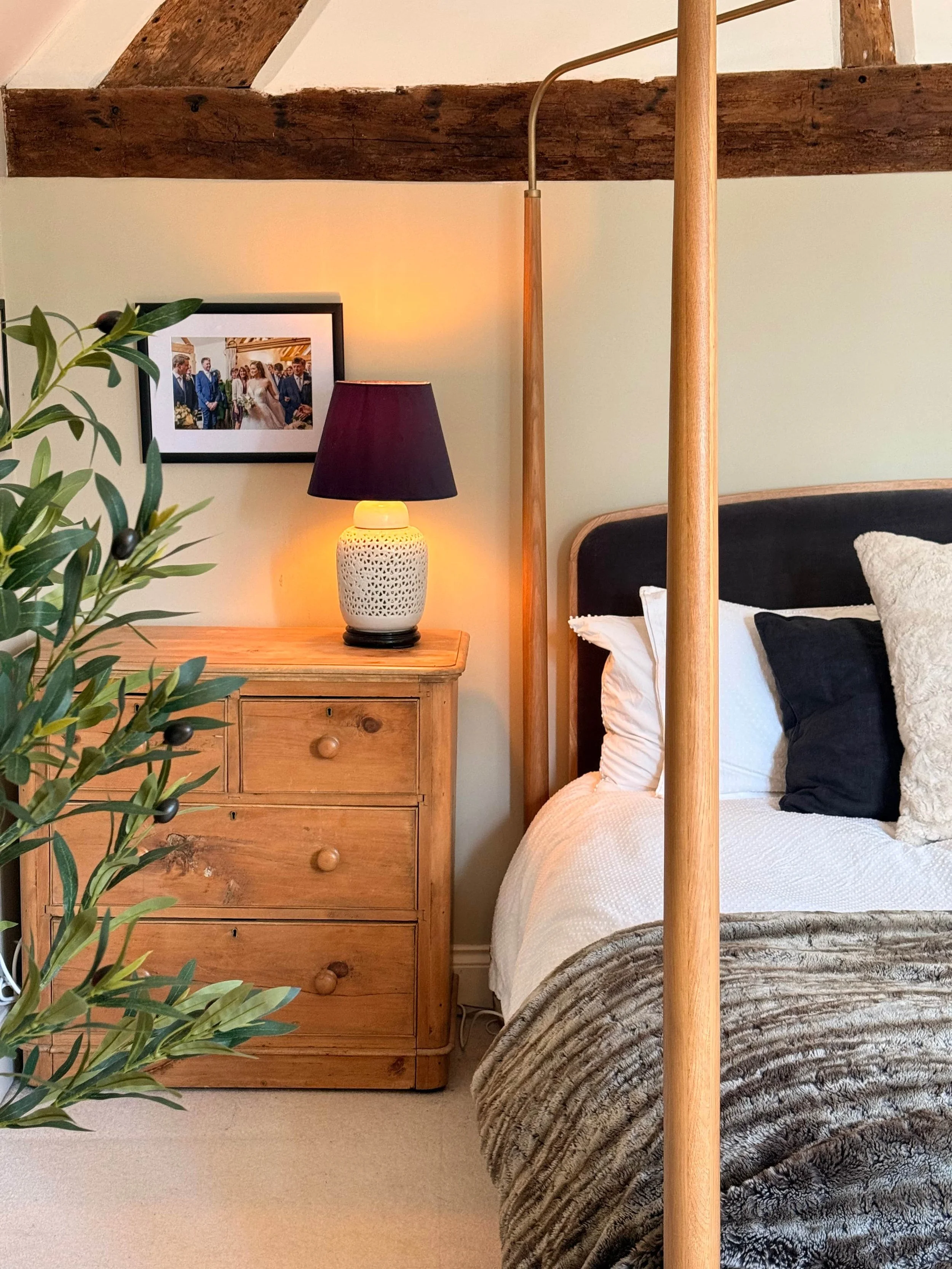





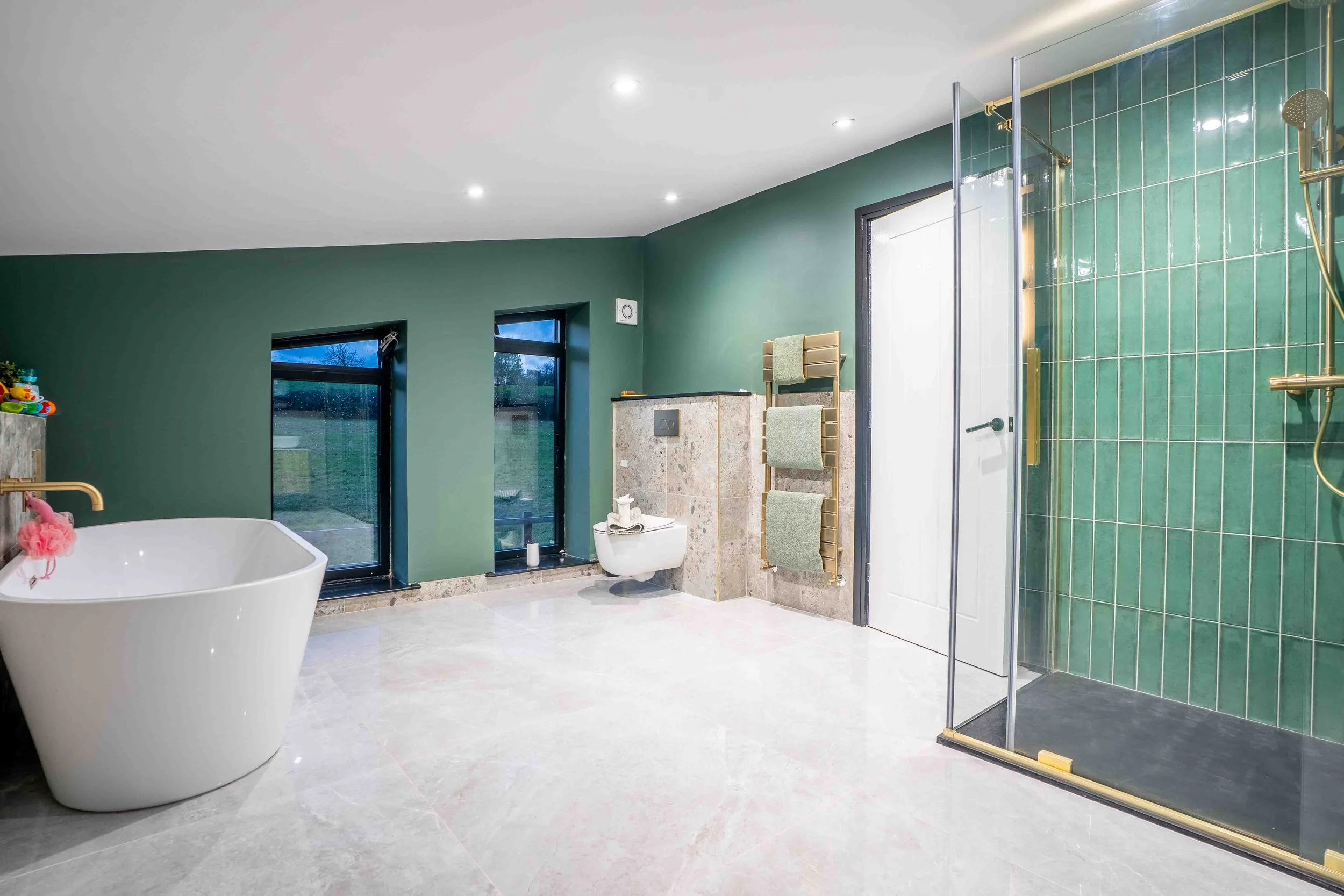
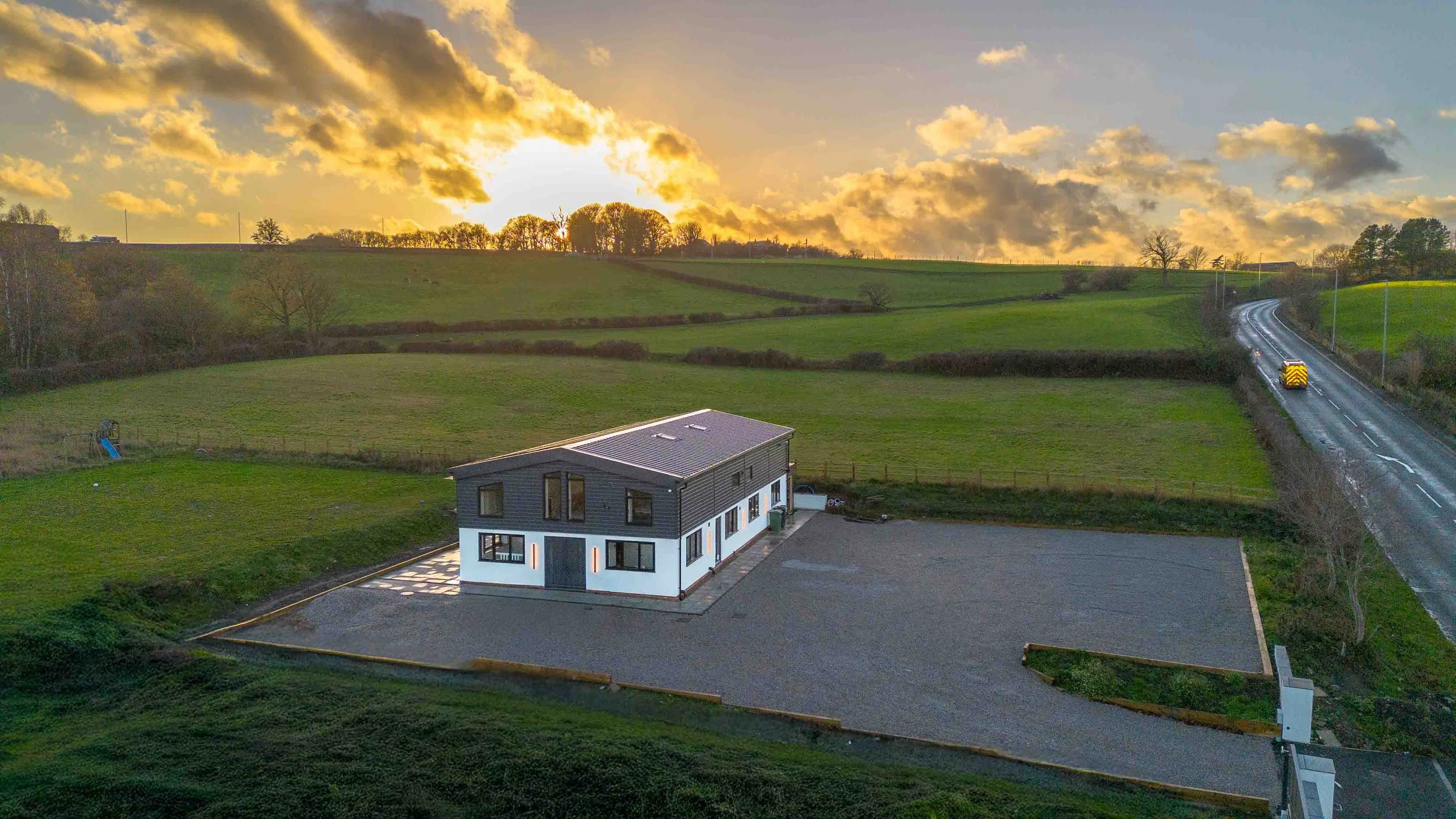
The best prep? Get out of the way
Once prep is done and the crew arrives, the most helpful thing you can do is step back.
Professional production teams know how to work in locations. Hovering, directing or repeatedly checking in can slow things down and create unnecessary tension.
Be available, be reachable — but let them do their thing.
Always check the space at wrap
Once the shoot has finished:
Walk through your space thoroughly
Check floors, walls, fixtures and fittings
Compare against the agreed condition
If you notice any damage, raise it as soon as possible with the production team. Timely communication is key to resolving issues smoothly and fairly.
Looking for the Right Location — Fast?
If you’re a location manager, scout or production company searching for reliable, film-ready locations that won’t slow your shoot down then send us your location brief below.