
WHAT MAKES A LOCATION EASY TO SAY YES TO?

WHAT MAKES A LOCATION EASY TO SAY YES TO?
17th of Aug, 2026.
WHAT MAKES A LOCATION EASY TO SAY YES TO?
Key Takeaways
The Right Location Is About More Than the Look — For location managers, scouts and production companies, a location becomes genuinely attractive when its visual qualities are matched by practical information, sensible pricing, straightforward access and a production-friendly owner.
Last-Minute Doesn't Always Mean Last Choice — Urgent briefs often come with their own advantages. A production may have had a late cancellation, a newly secured job or a rapidly changing brief, meaning they're often more flexible on location choice, availability and practical arrangements when the right space appears.The Hidden Cost of Overpricing Your Film Location
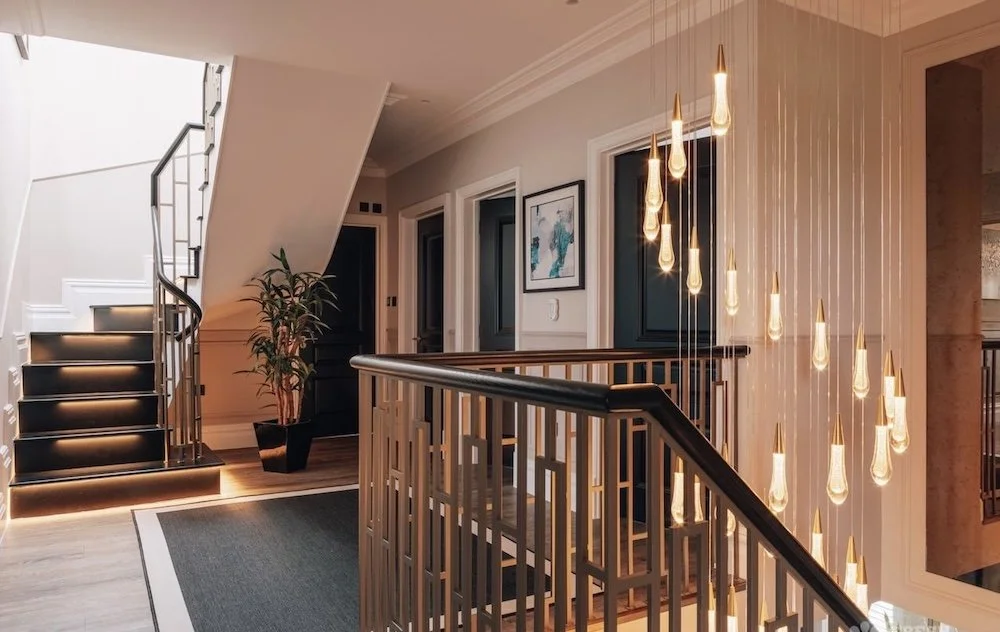
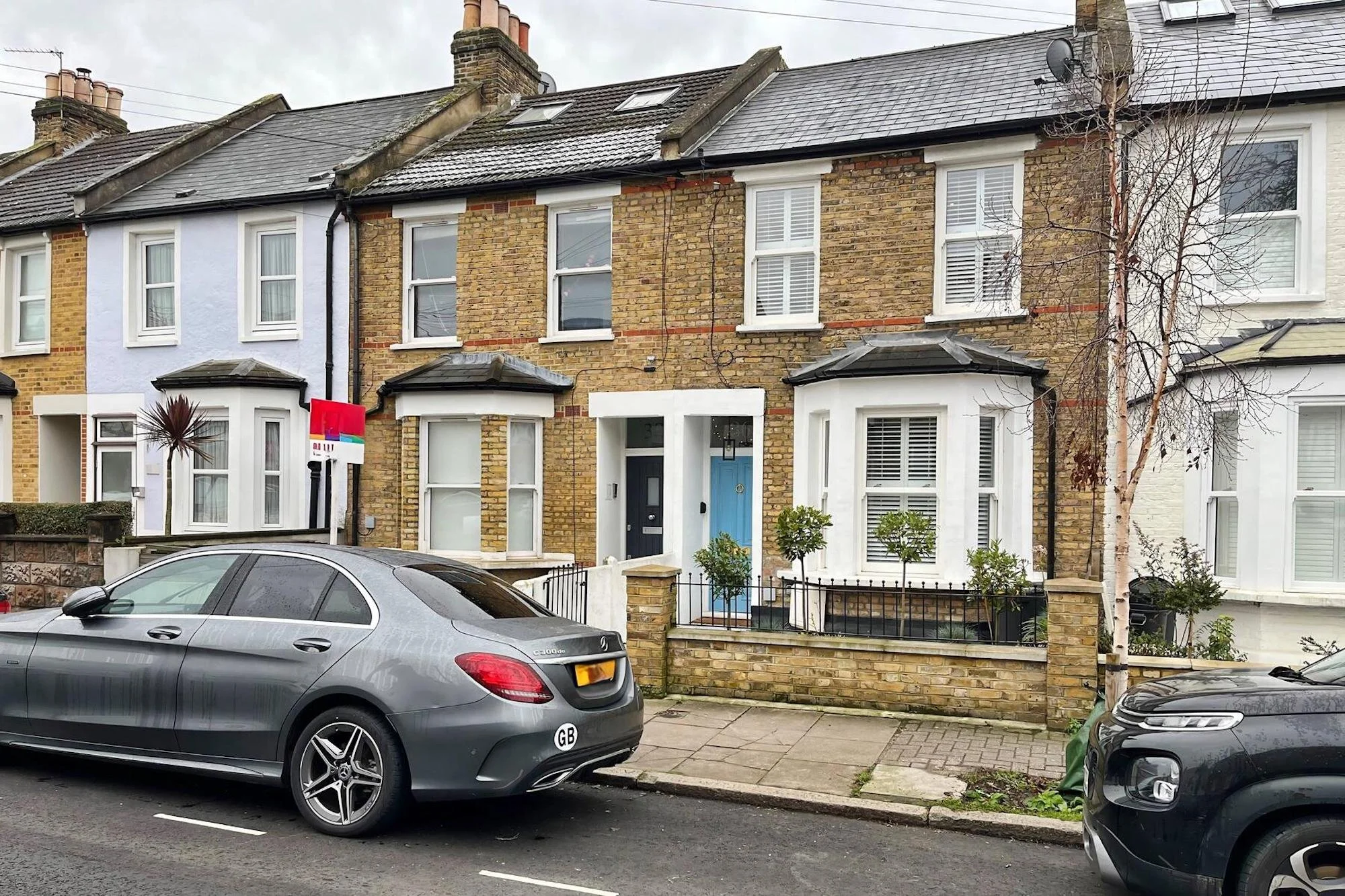
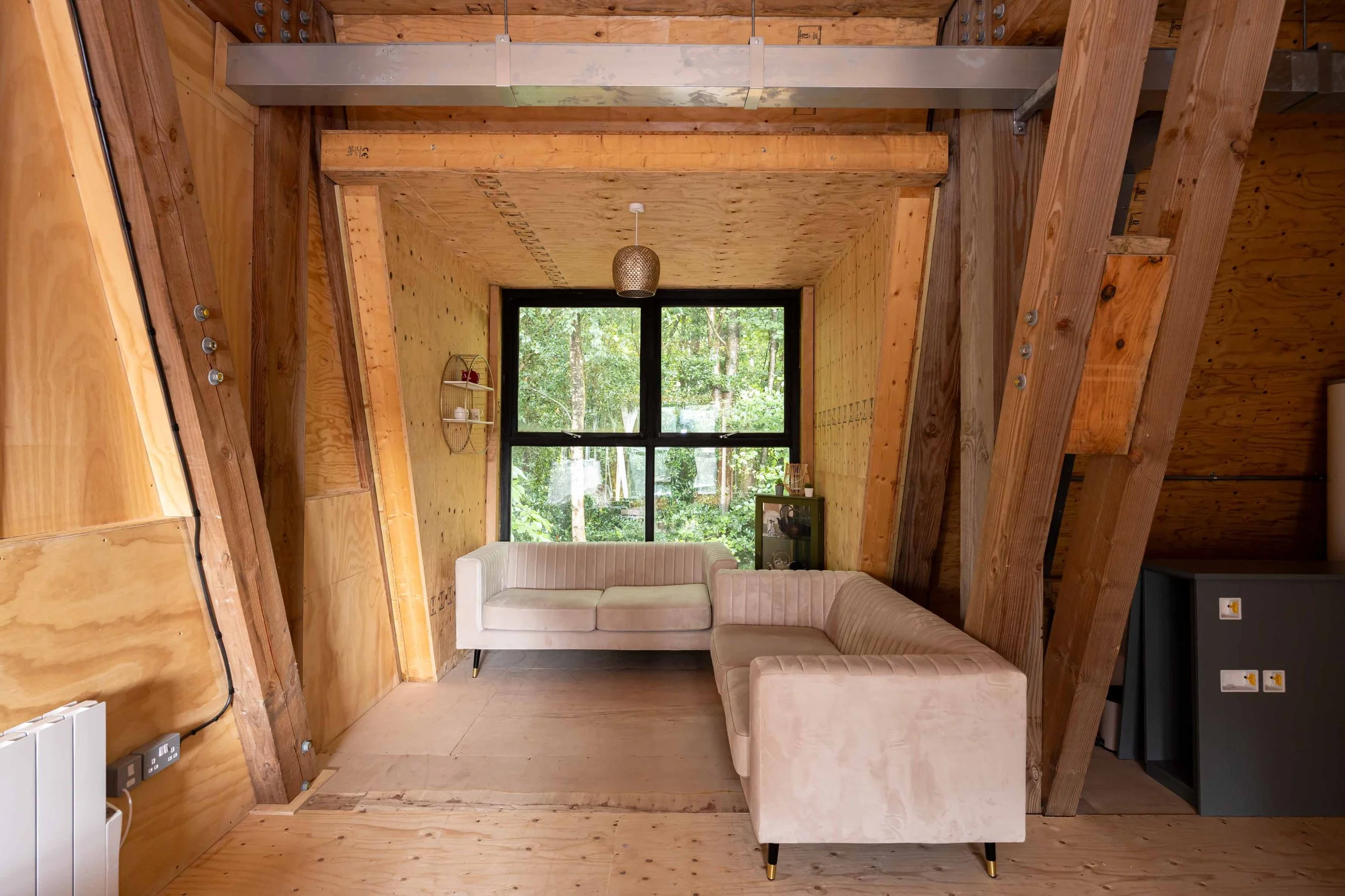

What Makes a Location Easy to Say Yes To?
Finding the right filming location is only half the job.
Once a location matches the creative brief, the next question is often much more practical:
Can we actually make this work?
For a location manager or production company working to a tight schedule, a location that looks perfect but comes with unanswered questions, complicated restrictions or unexpected costs can quickly become less attractive.
The locations that are easiest to say yes to tend to have something in common.
They make the production team's job easier.
It Starts With Good Information
Before a location manager can arrange a recce, they need to understand what they're looking at.
Strong location photography is therefore one of the most valuable assets a property can have.
Production teams want to see:
Exterior approaches
Main rooms
Secondary spaces
Gardens and outdoor areas
Entrances and access points
Parking
Interesting architectural details
Different angles of the same space
The more accurately a location can be understood from its photographs and information, the easier it is to assess whether it fits the brief.
And importantly, don't hide the less glamorous bits.
A photograph of the access road or parking area might not be the most exciting image in the gallery, but it could be one of the most useful to a location manager.
The Creative Fit Comes First
Of course, practicality can't make up for a location that doesn't work creatively.
The property still needs to deliver what the production is looking for.
That might mean:
A particular architectural period
A distinctive interior
A specific colour palette
Large windows
An open-plan layout
A believable family home
An impressive entrance
A particular urban or rural setting
The strongest locations often have character and versatility.
A space that can convincingly work for several different briefs has considerably more potential than one that only fits a very narrow aesthetic.
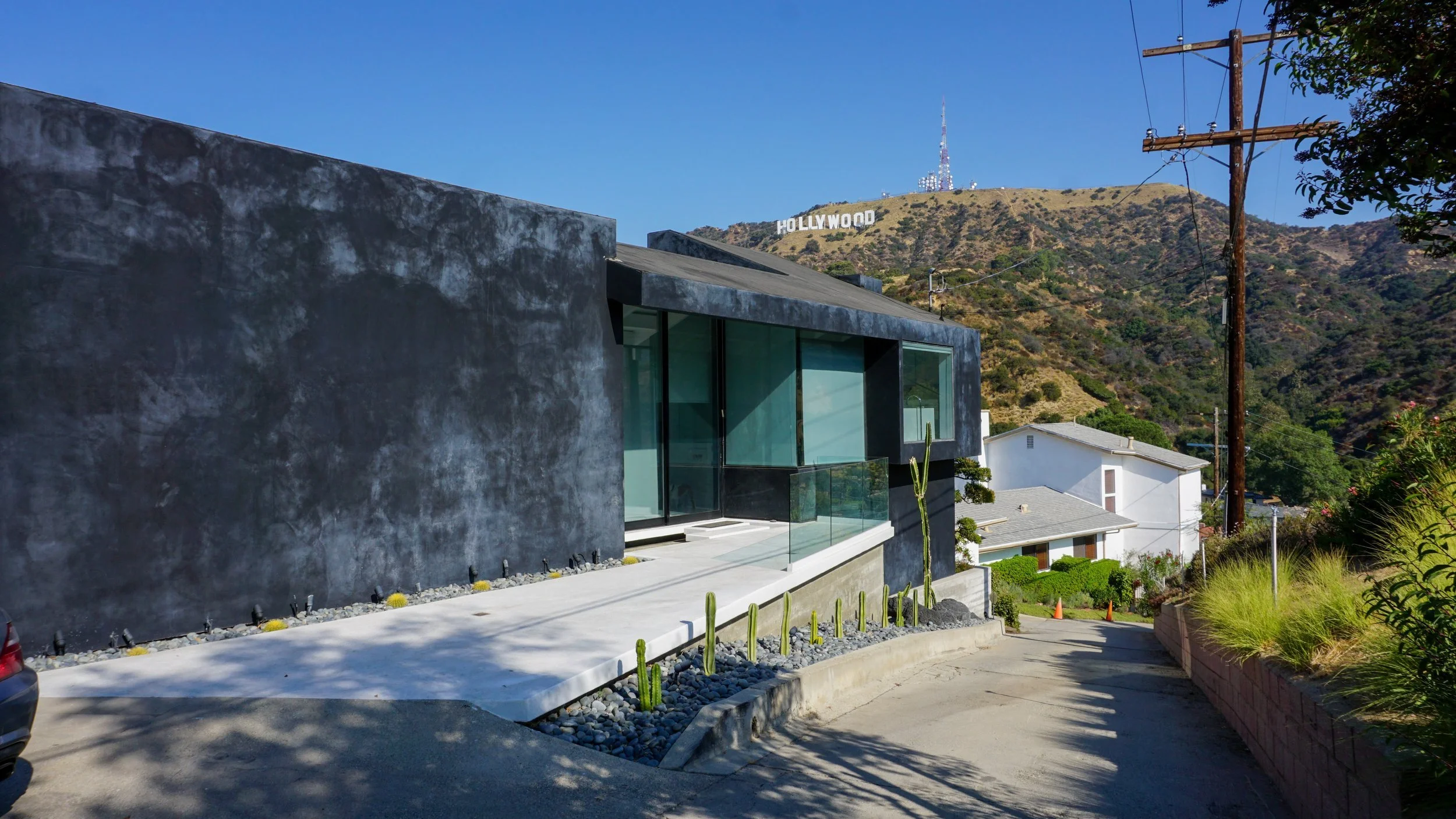
Blanco House, a film location in America.
Pricing That Makes Sense
Once a location fits the brief, price can quickly become the deciding factor.
Productions work within budgets, and location managers are often comparing several suitable options.
A competitive day rate doesn't mean undervaluing a property. It means understanding where it sits within the filming market.
It's also important to consider the overall cost of the booking, rather than looking at the day rate in isolation.
Additional cleaning, security, relocation or other fees can change the equation significantly.
Transparent, reasonable costs make it easier for a production to approve a location without having to revisit the budget at every stage.
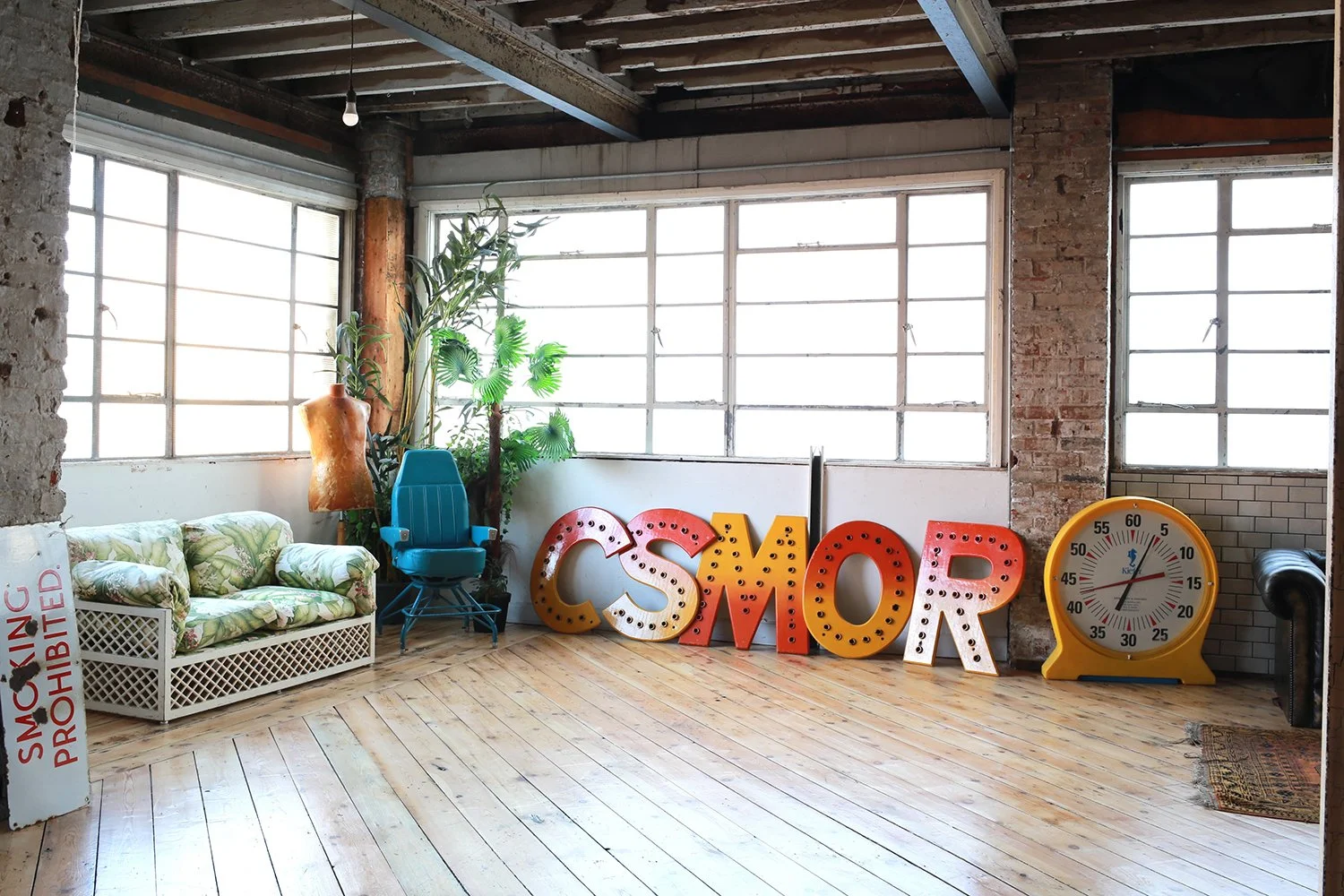
Vintage Studios, a film location in London.
Flexibility Is Valuable
Production schedules change.
Call times move. Scenes are added. Furniture needs to be moved. A shoot may run slightly longer than expected.
That doesn't mean a location needs to agree to everything.
But a reasonable degree of flexibility can make a property considerably more attractive.
For location managers, knowing that an owner is communicative and willing to discuss practical requirements provides confidence.
And for owners, flexibility can lead to something even more valuable than a single booking:
repeat business.
Access Can Make or Break It
A location can look incredible and still be unsuitable for a production if getting there is difficult.
Location managers will consider:
Where vehicles can park
How equipment enters the property
Whether there are stairs or lifts
Where crew can wait between setups
Whether there is space for catering
How close unit base can be
Whether neighbours or public access could create issues
These details aren't necessarily visible in the hero photograph of a property.
They're part of what makes a location genuinely production-ready.
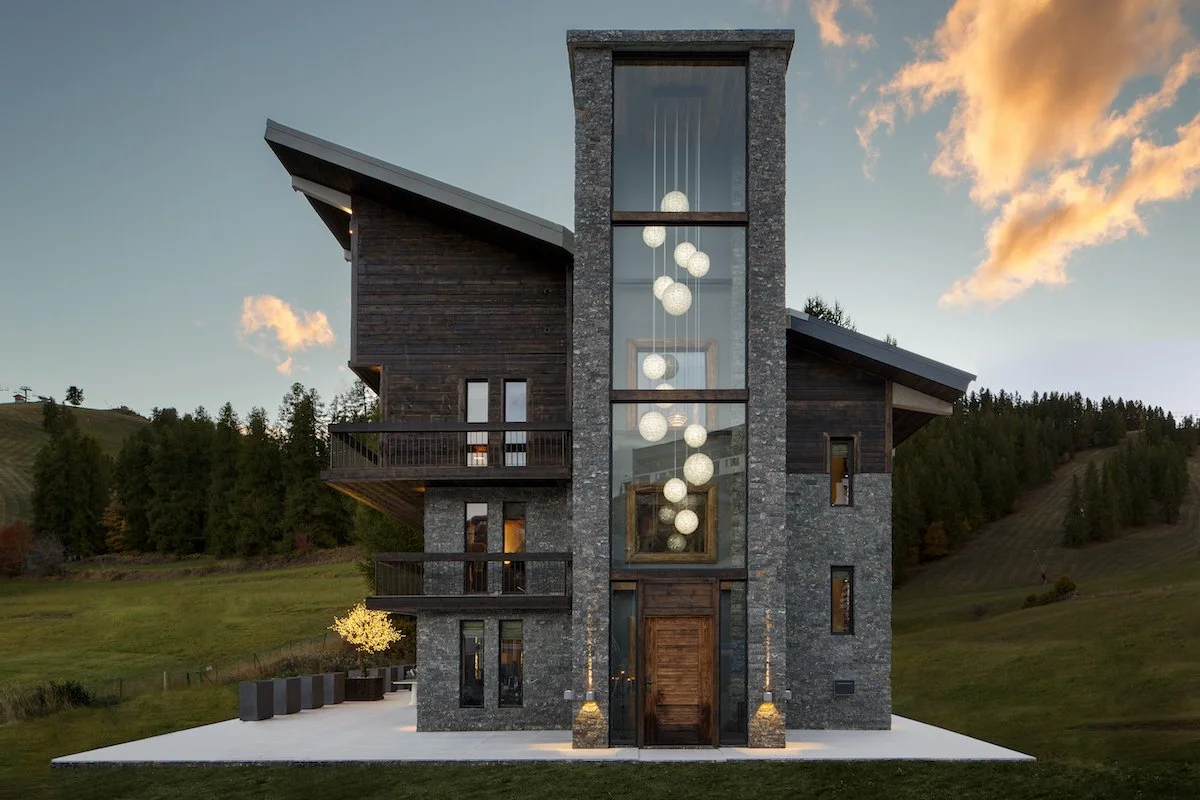
Chalet Valberg, a film location in France.
The Location Doesn't Have to Be Perfect
Perhaps the most important point is that a location doesn't need to tick every conceivable box.
Production is inherently collaborative.
A room can be dressed.
Furniture can be moved.
An office can become a different type of office.
A school can become something completely different.
A residential property can provide several distinct looks.
What matters is understanding what is essential, what is desirable, and what can be adapted.
That's where experienced location scouting adds real value.
So, What Makes a Location Easy to Say Yes To?
It's rarely one thing.
It's the combination of:
Great visual potential + accurate information + sensible pricing + practical access + a responsive owner.
When those elements come together, the conversation becomes much simpler.
Instead of asking "How could we make this work?", the production can start asking:
"When can we recce?"
And that's exactly where you want a location to be.
SEND US YOUR LOCATION BRIEF
Looking for a location that works creatively and practically?
Send us your brief. Our team can search our existing portfolio, tap into our wider network or scout for something entirely new to help you find the right space for your production.