
WHAT HAPPENS TO YOUR PROPERTY ON SHOOT DAY
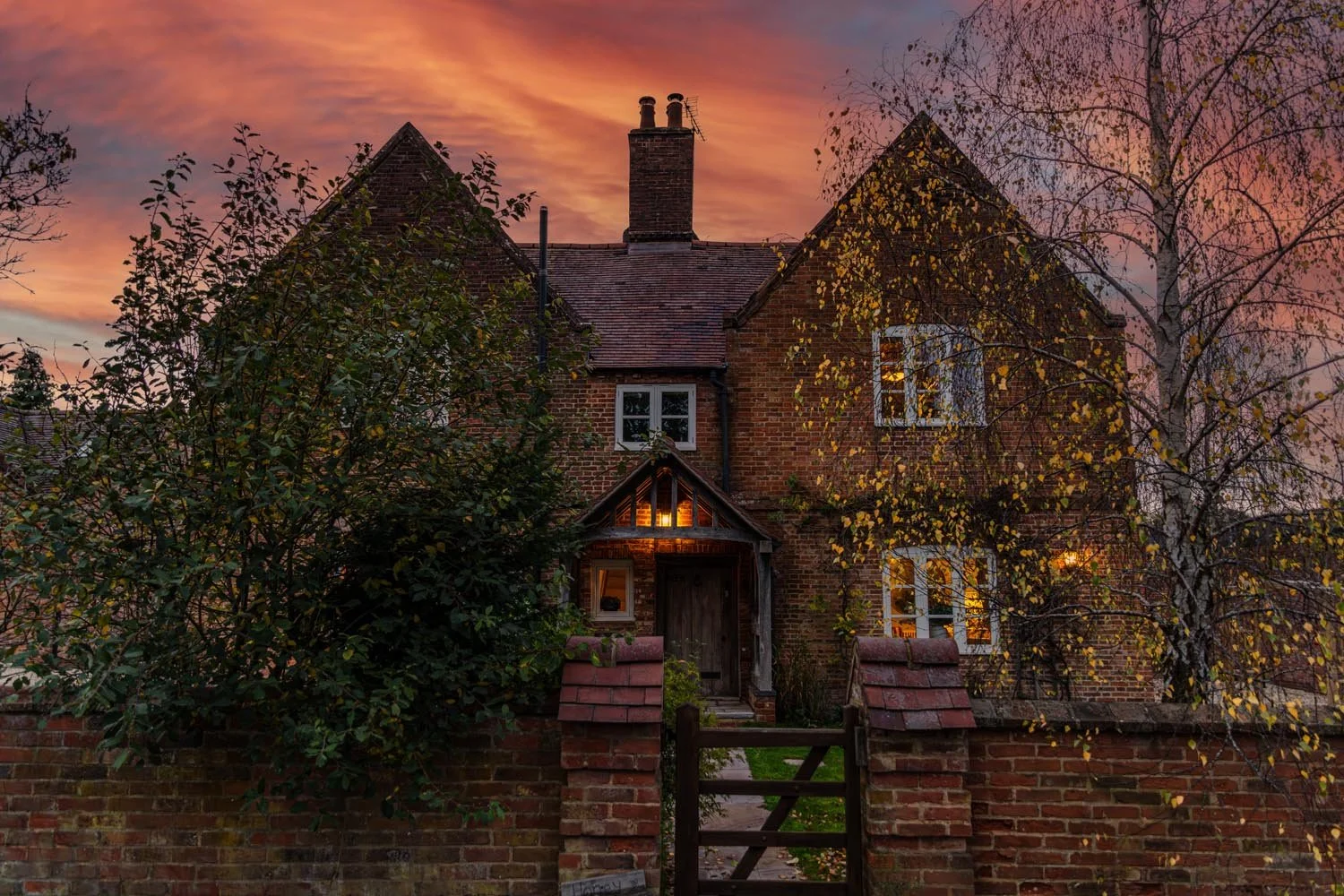
Country Farmhouse, a film location in the Midlands.
21st of Sep, 2026.
What Happens to Your Property on Shoot Day
Key Takeaways:
The day is more organised than owners expect. A film or commercial shoot looks chaotic from the outside, but a well-run production moves through a schedule with a single point of contact keeping everyone — including you — in the loop.
Protection comes before anything else touches your floors. Dust sheets, floor coverings and furniture moves happen before a single light stand goes up, and a proper crew will walk the property with you both before and after.
The unexpected bits are usually logistics, not damage. Owners tend to brace for breakages. What actually catches people off guard is street parking, noise, and a day that runs later than the call sheet promised.
The doorbell goes at 7am. There's a van outside, then another, then a third — and within twenty minutes what was your hallway is full of flight cases, a runner is asking where the nearest loo is, and someone is measuring the width of your front door with a tape measure. For an owner who has never hosted a shoot before, the first hour can feel like being burgled in slow motion, by people who are extremely polite about it.
It settles fast. But it helps enormously to know what that first hour — and the rest of the day — actually looks like before it happens.
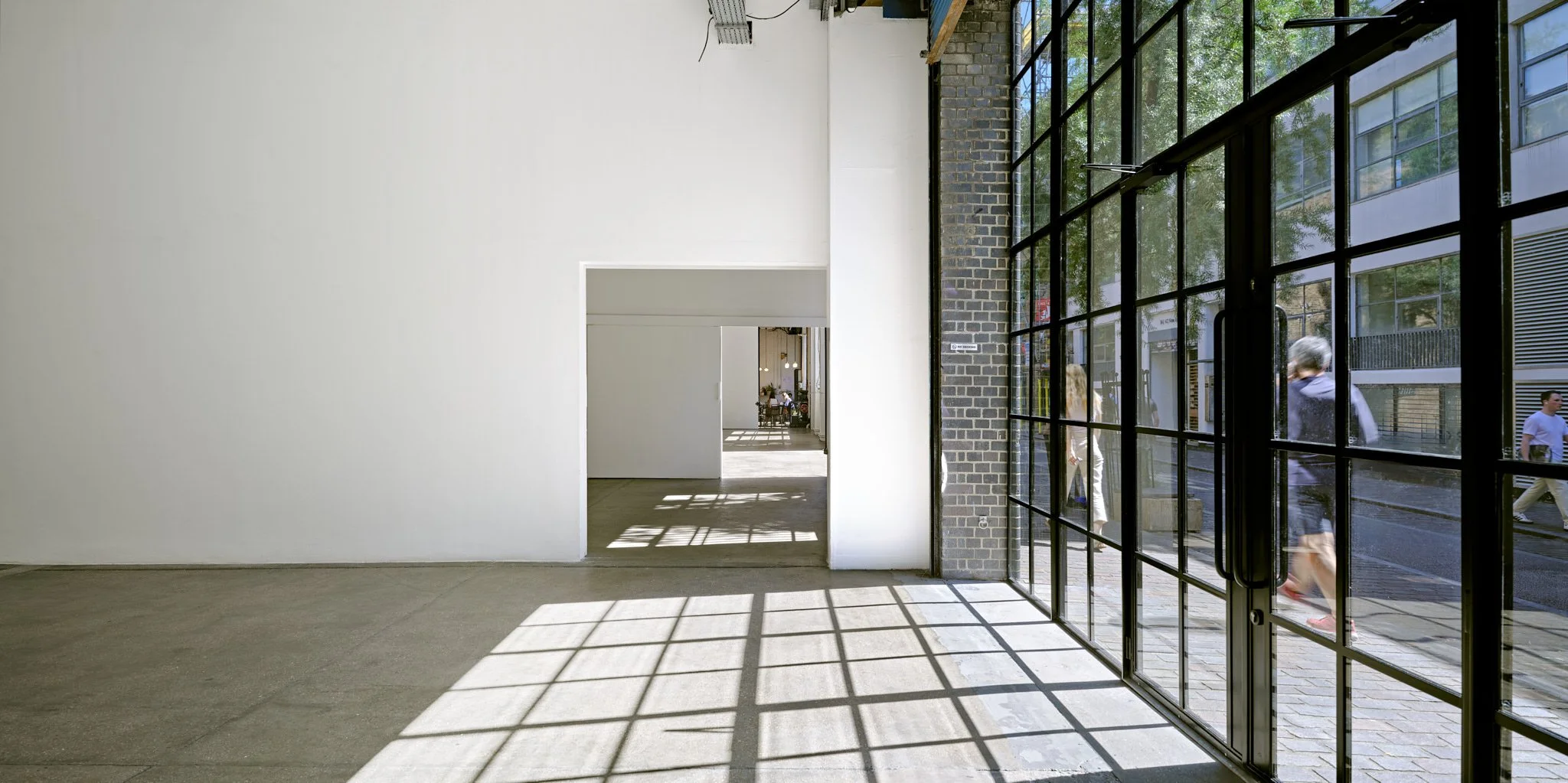
New Inn Yard, a commercial location in London.
The Morning Before Anyone Arrives
Crew call times are set well ahead of the shoot, and a good production will confirm access arrangements with you the day before: who's coming, roughly how many people, and what time the first van is expected. For a residential property that might be six or seven crew for a small commercial; for a period drama taking over a country house for two days, it can be forty or more, arriving in waves.
Either way, the production's location manager or lead contact should be your one point of contact for the day. You shouldn't be fielding questions from a dozen different crew members about where the fuse box is.
Who's Actually in Your House
A shoot crew has more job titles than most owners expect, and very few of them need to speak to you directly. The people who typically do are the location manager or location marshal, who's responsible for the property itself, and occasionally the director or DoP if they want a quick word about a specific room.
Everyone else — grips, sparks, art department, production assistants — is there to do a job and move through the space, not to interact with the owner. If a stranger in your kitchen seems unusually focused on your skirting boards, they're probably art department, not being nosy.
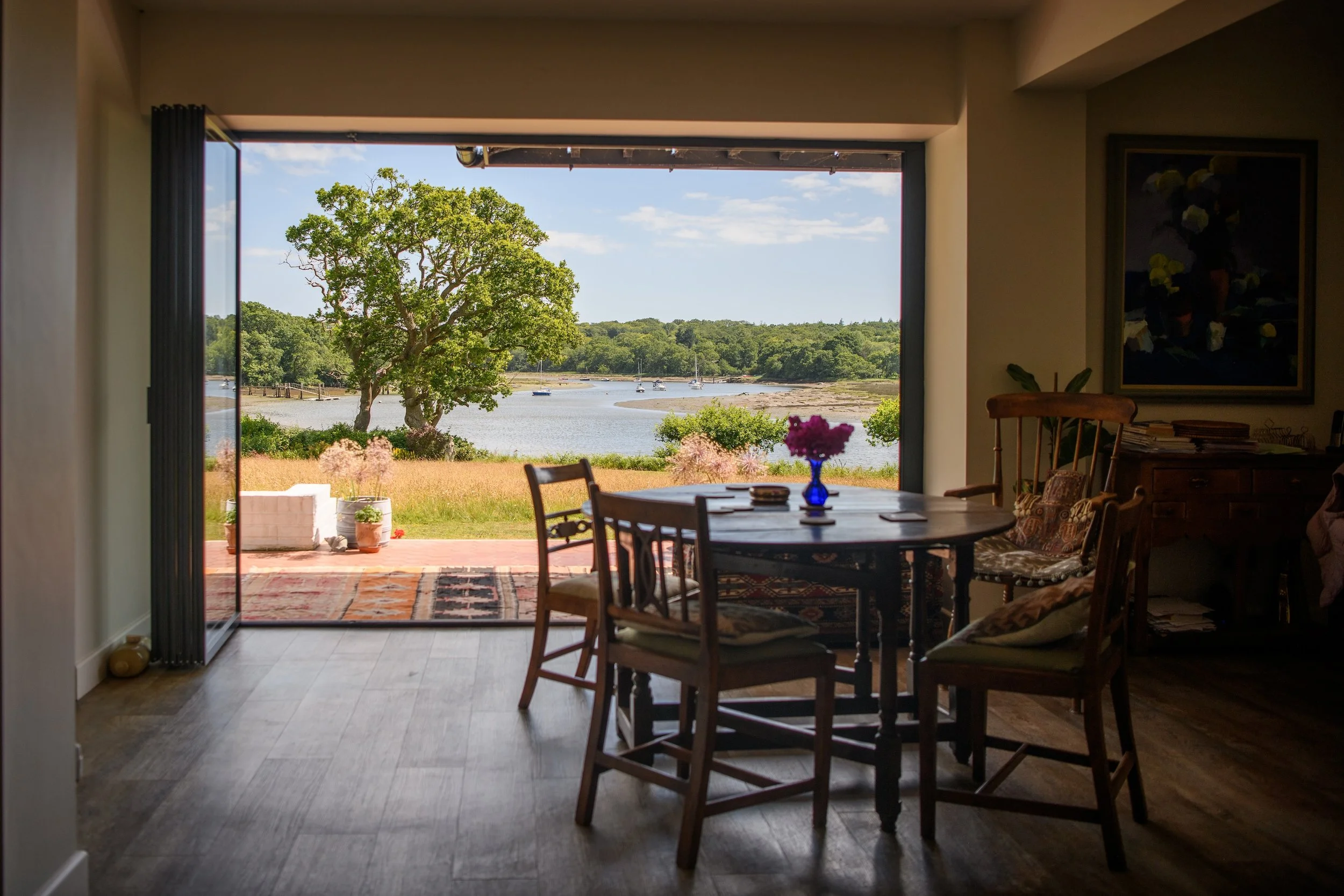
Beaulieu, a film location in England.
Protection Is Standard Practice, Not a Favour
Before any equipment goes near a room that's actually being filmed in (on large productions), it gets covered. That means floor protection — usually Correx board or carpet film — down any route the crew will use repeatedly, dust sheets over furniture that isn't in shot, and corner guards on anything with a sharp edge near a doorway.
A location manager who's done this properly will walk the property with you before filming starts, ideally with photos taken of anything already marked, scuffed or worn — not because they expect a dispute, but because it protects you both. The same walk-through happens again at wrap, room by room, before anyone signs off.
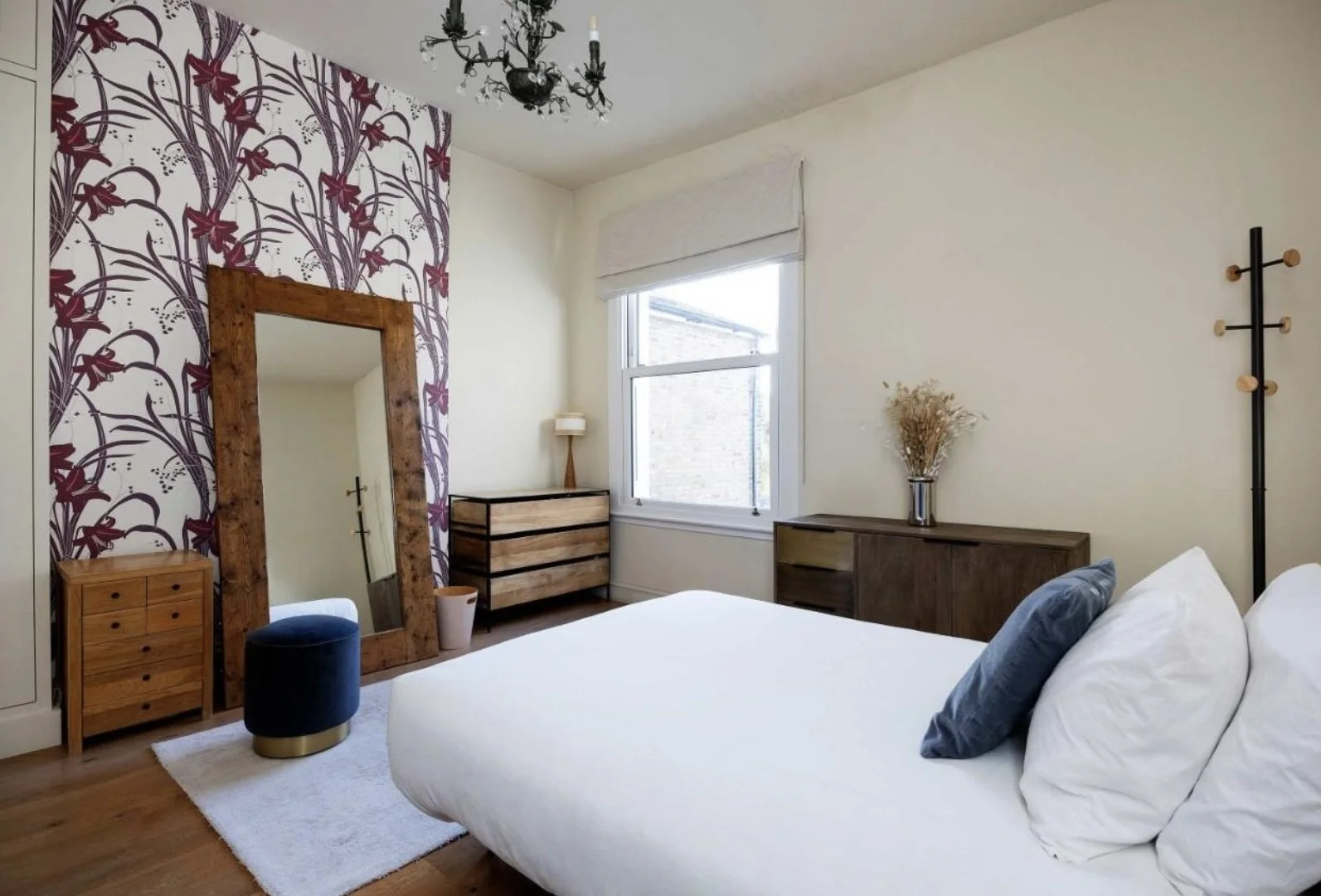
Balham House, a film location in London.
The Bits Owners Don't Expect
Damage is rarely what catches people out. It's usually smaller and more logistical:
Crew vehicles parking on your street, sometimes for longer than expected, and the knock-on effect for neighbours
Generator or lighting noise if any exterior work is involved, particularly for early or late calls
A day that runs past its scheduled wrap time — filming schedules are estimates, and the last hour of a shoot day has a habit of taking longer than the first five
A house that, however tidy the crew leaves it, needs its own tidy-up afterwards — beds moved back exactly as they were, cushions re-plumped, the particular chair returned to the particular spot
None of this is a red flag. It's just worth knowing about before the first van pulls up rather than discovering it in real time.
Wrap and Reinstatement
At the end of the day, everything gets put back — furniture, artwork, anything that was moved gets photographed on the way out and matched against those first-day photos. A conscientious crew treats the reinstatement walk-through as seriously as the setup, because a location that's returned exactly as found is the difference between a one-off booking and a property productions come back to.
If anything genuinely is damaged, it should be flagged there and then, not discovered a week later. That's part of why the before-and-after photos matter — they protect the honest answer either way.
A Good Shoot Day Should Be Uneventful
The best sign of a well-run shoot, from an owner's side, is that very little happens that requires your involvement at all. You should be able to make yourself a cup of tea in whatever room isn't in use, watch some of it if you're curious, and get your house back looking exactly as you left it.