
MANAGING LAST-MINUTE LOCATION CHANGES: TIPS FROM THE PROS

Managing Last-Minute Location Changes: Tips from the Pros
16th of Mar, 2026.
Managing Last-minute location changes: Tips from the pros
Key Takeaways:
Effective location change management is essential in film production. Last-minute location changes are a normal part of filmmaking, which is why strong production contingency planning, adaptable location owners, and experienced location managers are key to preventing a film shoot crisis.
Flexibility is one of the most valuable assets in handling location issues. Productions that plan for change—and location owners who can adapt when reasonable—create smoother shoots, stronger relationships, and better outcomes when last-minute location changes inevitably arise.When time is tight and a brief lands late in the day, having the right location agency process in place can make the difference between losing momentum and locking a location quickly.
Why last-minute location changes are part of filmmaking
No matter how detailed a brief is, the reality of production is that things change. Scripts evolve, directors have new ideas, crews grow and schedules shift. Even the most organised production can encounter unexpected developments that require handling location issues quickly and professionally.
For location managers, scouts, and production companies, this is where production contingency planning becomes critical. The ability to adapt—without compromising professionalism or respect for the property—can be the difference between a smooth shoot and a full-scale film shoot crisis.
Similarly, for location owners, understanding that production is a fluid process helps build stronger partnerships with crews and encourages repeat bookings.


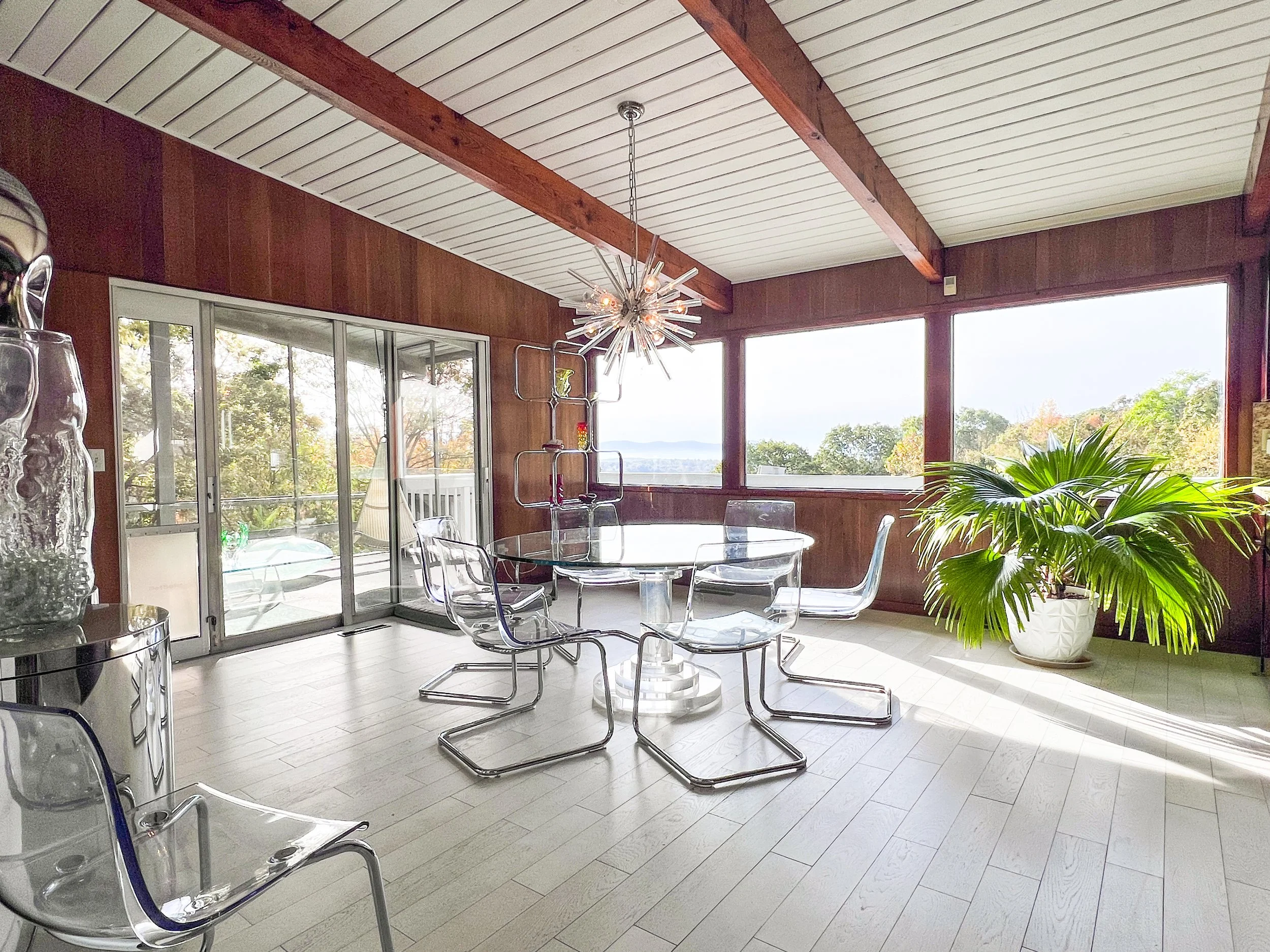

Flexibility: the secret to becoming a sought-after location
Location owners who demonstrate reasonable flexibility often become favourites among production companies.
When a shoot encounters minor last-minute location changes, owners who can accommodate them—within reason—help the day run smoothly. This might involve allowing a schedule adjustment, granting access to an additional room, or approving a small exterior shot that wasn’t originally planned.
Of course, it’s important to note that changes beyond the original agreement may incur additional fees. Production companies should always communicate these needs clearly and expect that expanded use of the property may require updated permissions or compensation.
When handled transparently, these adjustments are rarely problematic—and they can lead to stronger relationships. Many production companies return again and again to location owners who are collaborative and solution-oriented.
Flexibility on the production side matters too
Adaptability isn’t just important for property owners. Production teams also benefit greatly from remaining flexible.
Shoots that maintain open communication with location owners—and respect the boundaries of the agreement—create a positive working environment. A collaborative approach to location change management ensures that when changes arise, they can be handled calmly rather than escalating into a film shoot crisis.
Good location management isn’t just about logistics; it’s about relationships.
When changes break contracts
Occasionally, situations arise where an agreement cannot be honoured.
Life happens. Emergencies, bereavements, or unexpected personal circumstances can sometimes mean a location owner has to cancel a booking, even when a contract is in place. These situations are rare but understandable, and most production companies approach them with compassion and flexibility.
Likewise, production companies may occasionally face unavoidable changes that affect a location booking.
Contracts exist to protect both parties in these situations. If either side breaks the agreement without reasonable notice or justification, damage deposits or contractual penalties may come into play.
However, it’s important to emphasise that these scenarios are very uncommon. The vast majority of shoots run smoothly thanks to clear communication and mutual respect.
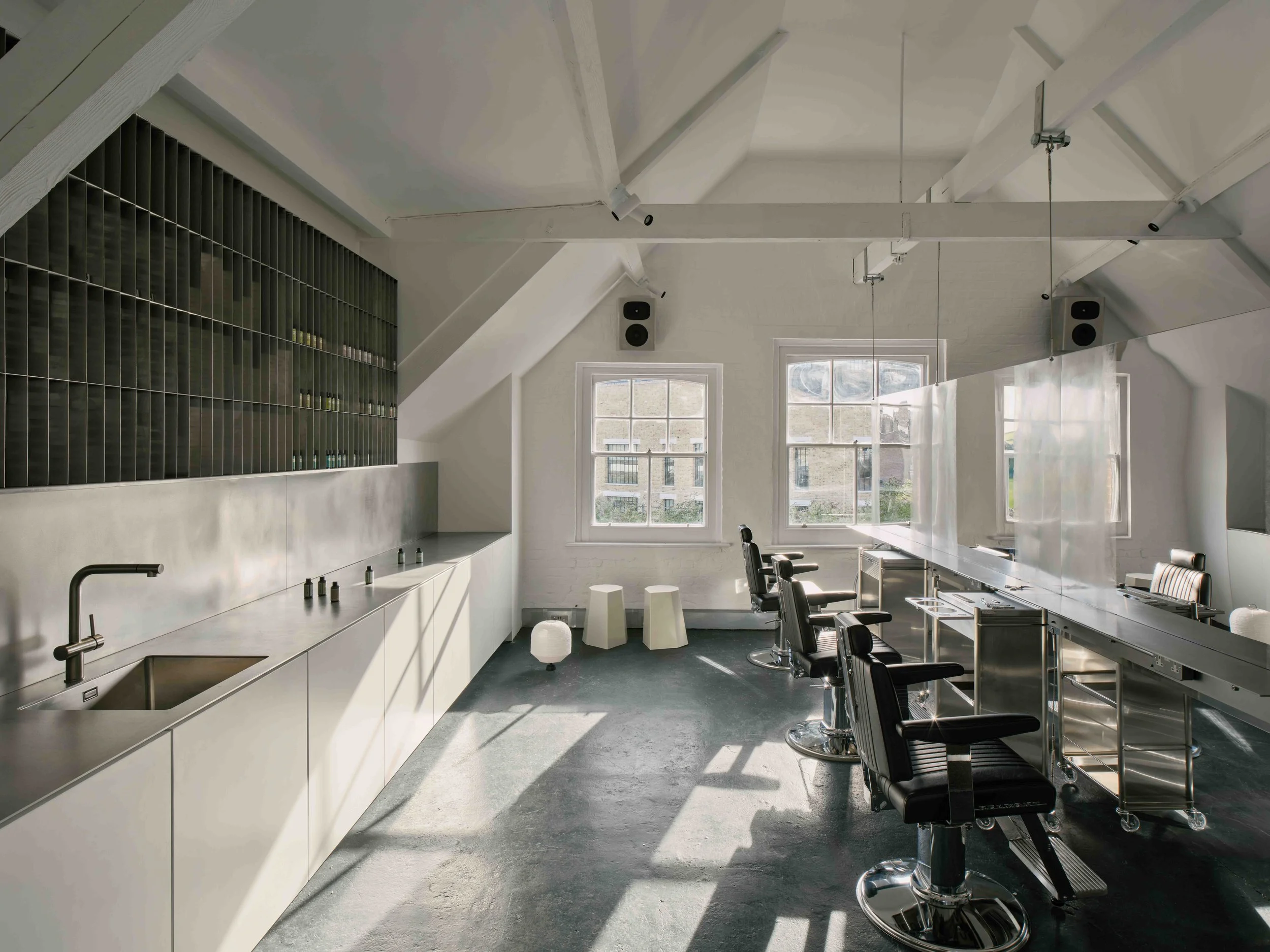
Contemporary Salon, A film location in London.
Common last-minute changes (and how to handle them)
While major issues are rare, smaller adjustments are much more common in production. Here are a few examples of typical last-minute location changes and how they’re usually handled.
Time changes
Film shoots often run later than expected. If a production needs to extend its time on location, the first step is always to communicate with the owner or location manager immediately.
Extensions are often possible but may involve additional location fees depending on the agreement.
Room or space changes
After arriving on set, productions sometimes realise they need additional rooms for crew, equipment, or filming.
If the space is available and the owner agrees, this can often be accommodated with an updated agreement reflecting the expanded use of the property.
Exterior shots
Sometimes directors decide they would like an exterior establishing shot after seeing the property in person.
This is usually straightforward to approve, but exterior filming should always be cleared with the location owner first, especially if it involves additional equipment, lighting, or crew outside.
Crew size increases
Production plans evolve, and sometimes crew sizes grow after the original booking.
Larger crews can affect parking, noise levels, and wear on the property, so any changes should be discussed with the owner to ensure the location can comfortably support the revised production.
Date changes
Occasionally, a production schedule shifts entirely and the shoot needs to move to another day.
In these cases, the production team should contact the owner as early as possible to check availability. Many owners are happy to reschedule if they can—but flexibility depends on existing commitments.

Hill House, a contemporary film location in London.
Why enquiries rarely stay the same
One important reality of production is that the initial enquiry rarely matches the final booking perfectly.
In most cases, a project evolves through several stages: early enquiry, creative development, logistics planning, and the location recce. Each of these stages can introduce new ideas, creative direction, or practical requirements.
It’s completely normal for logistics, crew sizes, and creative needs to change throughout this process, which is why communication between production teams and location owners is so important.
The recce: your best chance to minimise last-minute changes
One of the most effective ways to reduce last-minute location changes is to make the most of the location recce.
Location owners should aim to present the space as close as possible to how it will appear on the shoot day. This allows the production team to properly visualise the shoot and plan accordingly.
For location managers and production companies, the recce is the ideal moment to discuss:
Crew sizes
Equipment requirements
Parking and access
Exterior shots
Room usage
Shooting schedules
The more detail covered during the recce, the easier it is for everyone involved to prepare—and the less likely unexpected handling location issues will arise later.

Omayma Villa, a film location in Morocco.
Working together for better productions
Film production is a collaborative process. When location owners, scouts, managers, and production companies approach shoots with transparency and flexibility, even unexpected changes can be handled smoothly.
Clear communication, reasonable expectations, and good production contingency planning ensure that what could have been a film shoot crisis instead becomes just another successful shoot day.
Find your next production location
At Silverstein Locations, we specialise in connecting production companies with exceptional properties while supporting location owners through every step of the process.
Whether you're managing last-minute location changes, planning a recce, or searching for the perfect filming space, our team is here to help.
Explore our locations or get in touch to list your property today.