
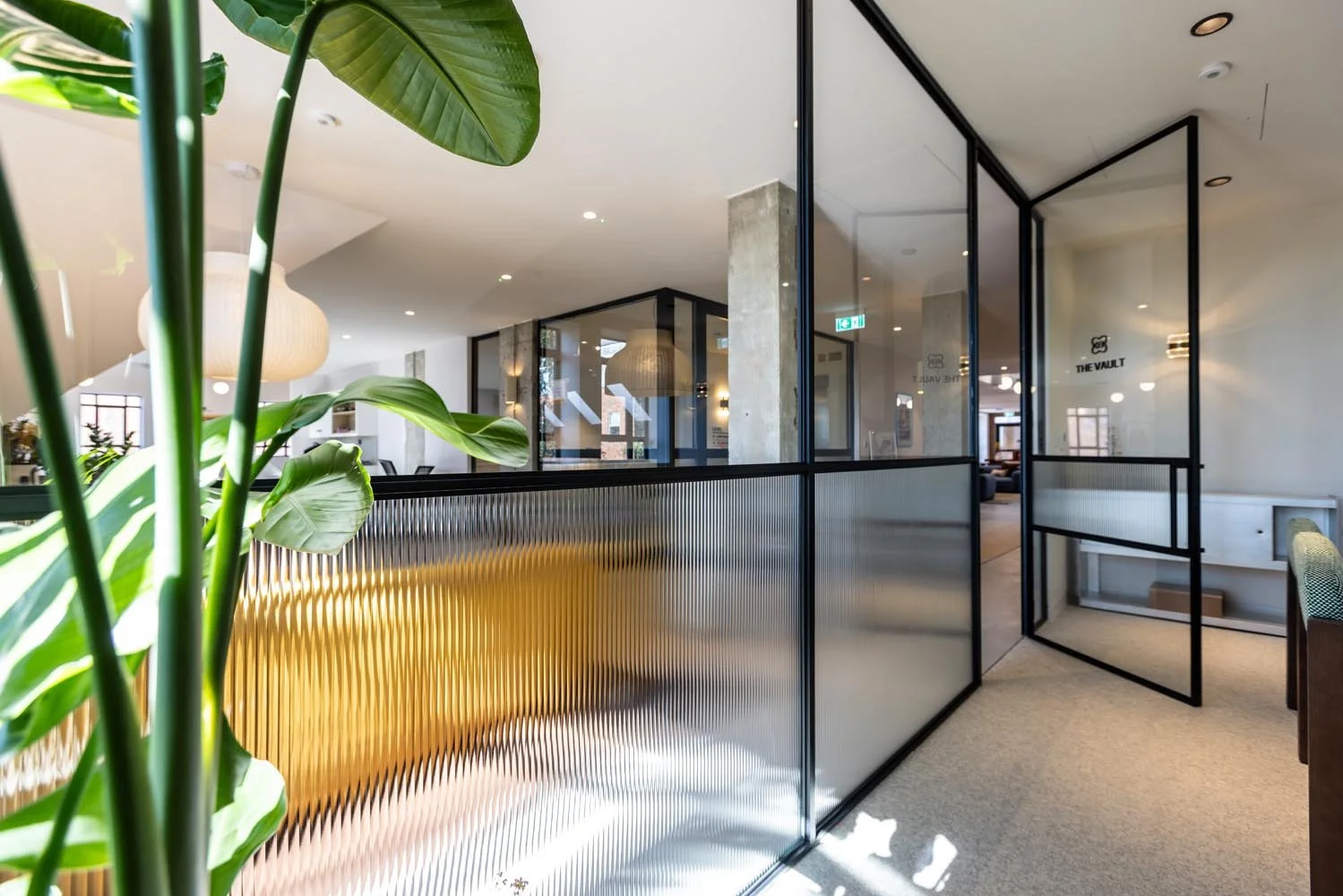
Creative Office Spaces, a film location in St. Albans.
7th of Sep, 2026.
Managing a Multi-Location Shoot: What Changes When a Production Needs Several Properties in One Schedule
Key Takeaways:
One Location Is Simple. Three Is a Different Job Entirely – Travel time, staggered access and owner coordination all have to work together, which means the planning starts weeks before anyone picks up a camera.
The Order You Shoot In Matters as Much as the Locations Themselves – Sequencing locations around light, distance and owner availability can save a production hours — or cost them, if it's left as an afterthought.
Contingency Isn't Optional – When one location in a multi-site schedule slips, everything after it slips too, so a fallback plan for each stage of the day is worth having before the first call time.
A single-location shoot is, in most ways, the easy version of the job.
Everyone's in one place. The recce covers everything the production needs to know. If the schedule runs long, it runs long in one location, not three.
Multi-location shoots are a different proposition. A commercial that needs a house, a café and a stretch of countryside in one day isn't just three separate bookings — it's one schedule that has to hold together, with each location depending on the one before it running to time.

The Print Bay, a commercial film location in London.
Sequencing Comes First
Before locations are even finalised, the order they'll be shot in shapes which properties actually work.
A location that's perfect on its own can be the wrong choice once it's slotted into a schedule — too far from the next site, or only available in a window that clashes with the light needed for the previous scene.
Getting the sequence right early means:
Locations are chosen with travel time built in, not discovered as a problem on the day
Golden hour or specific light conditions are protected for the scenes that need them
Crew and equipment moves are planned as part of the schedule, not squeezed in after
Owners Are Coordinating With Each Other, Whether They Know It or Not
Each property owner only sees their own slice of the day. But in practice, a delay at the first location becomes every other owner's problem too.
Part of managing a multi-location shoot is keeping every owner realistically informed — not just of their own call time, but of how tight or flexible the day actually is, so a fifteen-minute overrun doesn't come as a surprise.
An owner who understands the shape of the whole day is far more likely to be accommodating if something shifts.
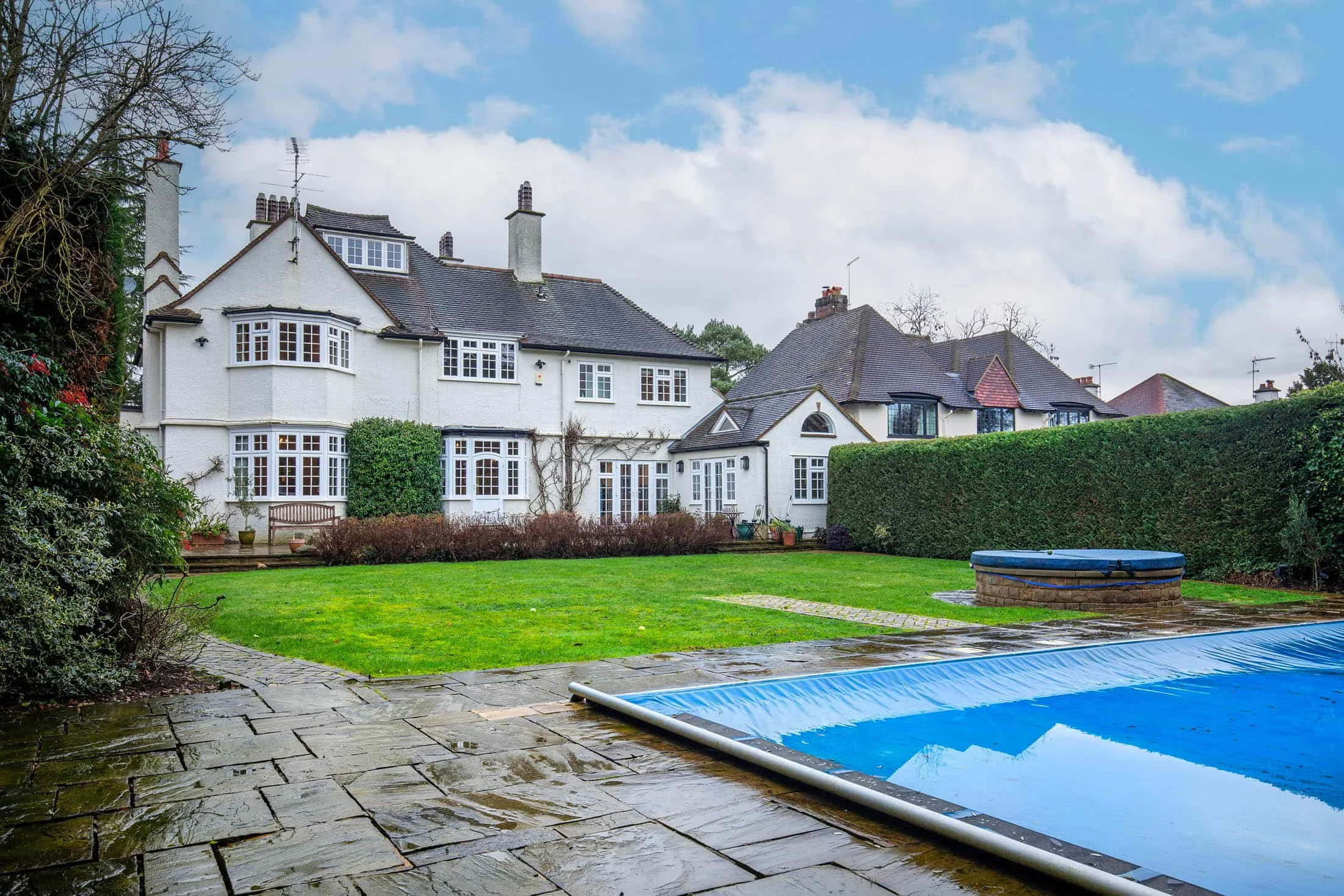
Edwardian House in Hertfordshire.
What Tends to Go Wrong
The same handful of issues come up again and again on multi-location shoots:
Travel time underestimated between sites, especially in cities or rural areas with limited road access
A location released too early, before the production has confirmed it won't need extra time
No agreed fallback if weather affects an exterior location partway through the schedule
Crew arriving at a second location before the first owner has been given proper notice to prepare
Most of these are avoidable with a schedule that accounts for slippage rather than assuming everything runs exactly on time.
Building in a Buffer
The productions that handle multi-location days well tend to treat the schedule as a series of checkpoints, not a single fixed plan.
That means knowing, before the day starts, what happens if location two overruns — does location three shift, shrink, or get simplified? Having that answer in advance is far easier than working it out live, with an owner waiting and a crew on the clock.
A buffer doesn't need to be generous. Even twenty minutes built into a changeover can be the difference between a smooth handover and a rushed one.
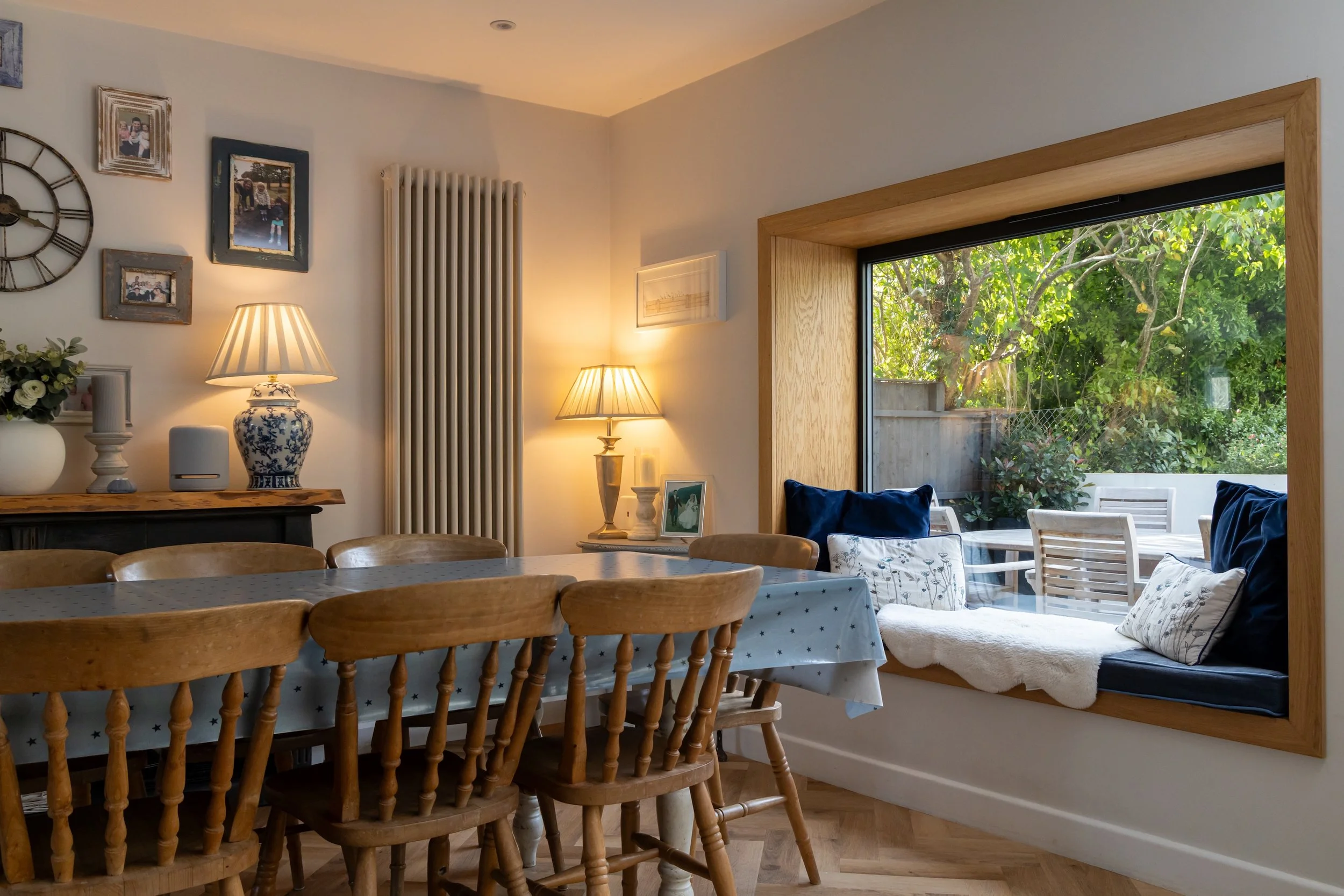
Gorham Family Home, a film location in East Sussex.
Where a BrOKER Fits In
Coordinating several owners, several sets of access requirements and one moving schedule is easier with a single point of contact managing it.
That means one team confirming times with each owner as the schedule firms up, flagging early if a location's availability is tightening, and stepping in directly if something needs renegotiating on the day — rather than a location manager fielding four separate conversations while also running the shoot.
Planning a shoot across more than one location?
Tell us the properties, the order, and the schedule you're working to, and we'll help make sure the shoot holds together from the first call time to the last.