
HOW STREAMING CHANGED VISUAL TASTE
How Streaming Changed Visual Taste
18th of May, 2026.
How Streaming Changed Visual Taste
Key Takeaways:
Streaming Has Shifted Audience Expectations — Prestige television and long-form streaming content have reshaped visual culture, increasing demand for cinematic realism, layered environments and emotionally grounded locations across advertising, branded content and commercial production.
Atmosphere Now Carries More Value Than Polish — Production companies and location teams are increasingly prioritising texture, mood and worldbuilding over highly polished commercial aesthetics, driving demand for spaces with authenticity, depth and architectural character.
Over the last decade, streaming platforms have fundamentally reshaped visual culture.
The rise of prestige television transformed audience expectations around cinematography, production design and storytelling. Series once viewed as “television” began adopting the scale, atmosphere and visual ambition traditionally associated with cinema. In turn, viewers became increasingly attuned to mood, texture and environmental storytelling.
That influence is now extending far beyond film and television.
Advertising, branded content, fashion campaigns and commercial productions are all beginning to reflect the aesthetics of streaming-era storytelling — favouring realism, atmosphere and emotional depth over the polished visual language that dominated much of the 2010s.
Visual taste has changed.


The Decline of Hyper-Polished Commercial Aesthetics
For years, commercial production leaned heavily toward highly controlled environments:
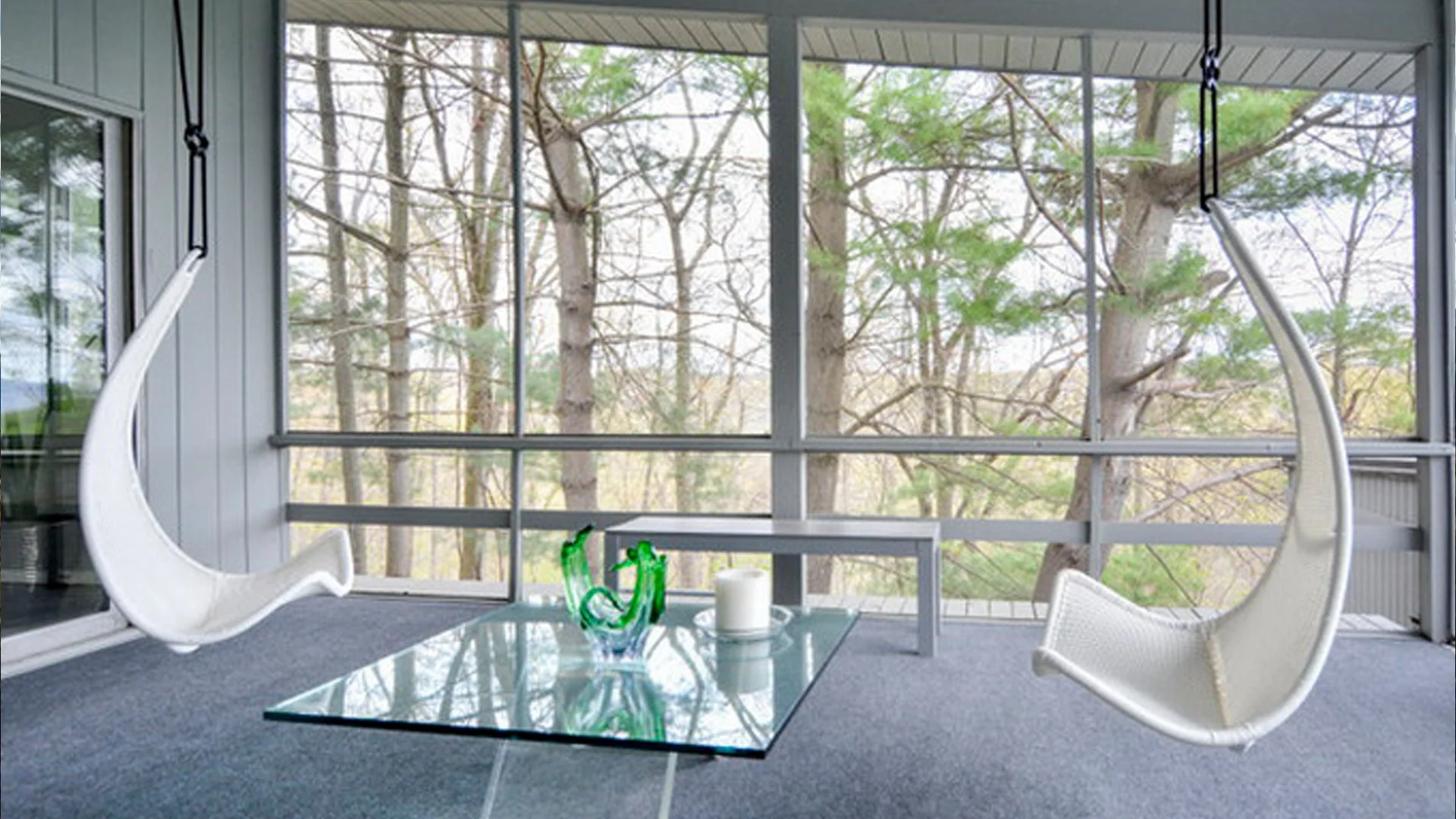
Bright open-plan interiors
Minimal styling
Uniform luxury
Clean architectural lines
Glossy lighting
Neutral palettes
These spaces were designed to feel aspirational, flexible and universally appealing.
But audiences exposed to increasingly cinematic streaming content began responding differently to visual perfection. Overly staged environments started to feel emotionally flat and commercially predictable.
Streaming platforms helped popularise a more immersive visual language:
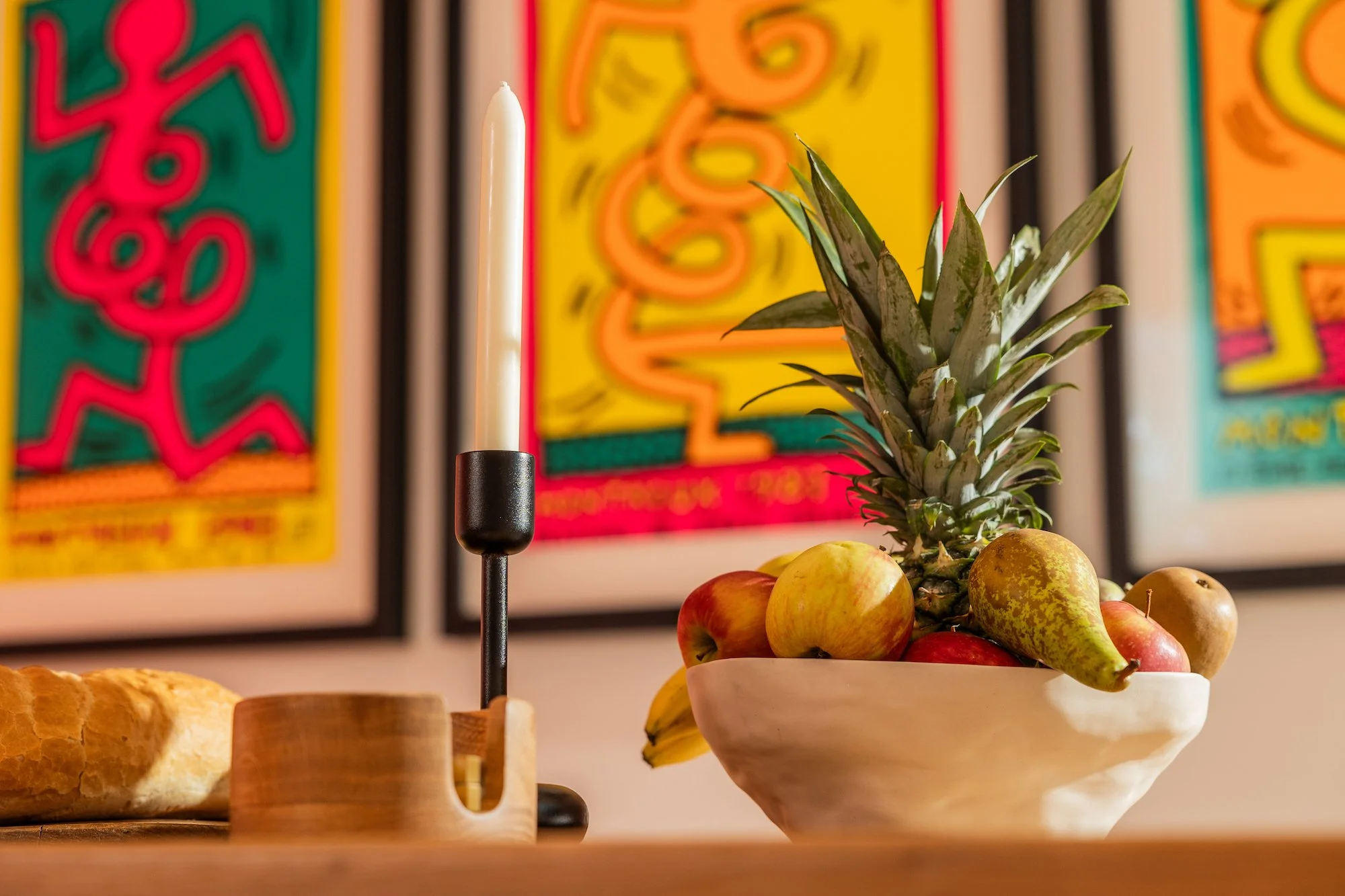
Natural lighting
Darker tonal palettes
Layered production design
Textured environments
Imperfect architecture
Observational cinematography
The result is a broader industry movement toward spaces that feel inhabited rather than displayed.
The Rise of Atmosphere-Led Storytelling
Streaming changed not only how productions look, but how environments function within storytelling.
Locations are no longer treated simply as backdrops. Increasingly, they define emotional tone, social context and character psychology before dialogue even begins.
Audiences now expect environments to carry narrative weight:
A cramped kitchen can suggest tension
A faded coastal property can evoke nostalgia
A cluttered family home can create realism
A stark modern interior can communicate emotional distance
This shift has elevated the importance of production design and location sourcing across all forms of visual media.
Atmosphere has become part of the story itself.
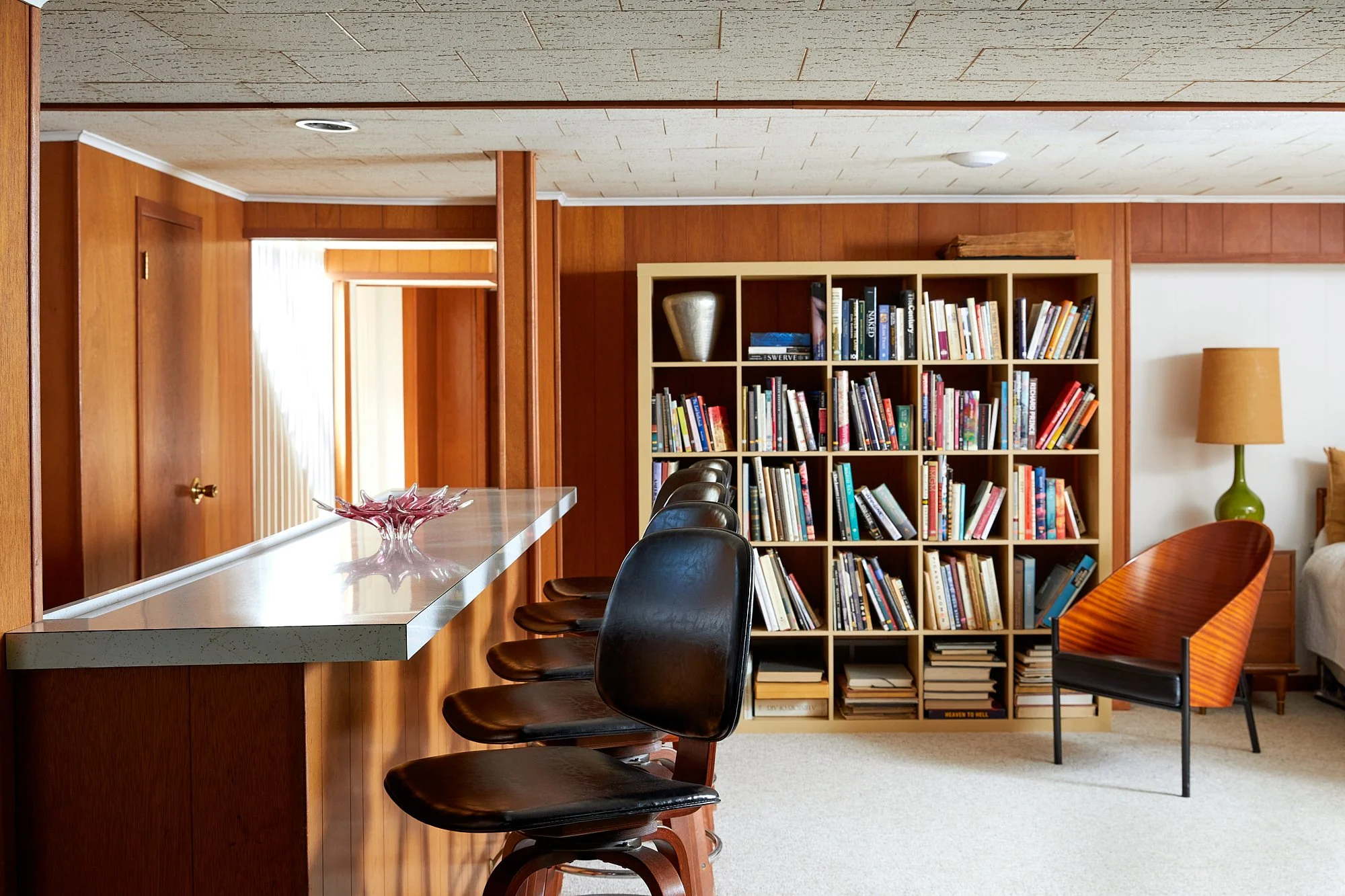
Hudson Valley Mid-Century Modern, a film location in upstate New York.
Why Authenticity Feels More Cinematic
One of streaming’s biggest influences has been the normalisation of realism.
Prestige television often embraces:
Practical locations
Regional architecture
Natural imperfections
Lived-in interiors
Environmental texture
These details create a sense of immersion that highly sanitised commercial visuals often lack.
As a result, production companies and creatives are increasingly searching for:
Real homes
Character properties
Distinct regional locations
Spaces with history
Architecturally grounded environments
Authenticity now carries stronger visual value than generic luxury.

The Hollows, a film location in Sussex.
The Impact on Location Scouting
For location managers and scouts, streaming-era aesthetics have significantly changed the types of spaces productions are requesting.
There is growing demand for locations that feel:
Emotionally believable
Cinematically layered
Architecturally distinctive
Regionally specific
Naturally atmospheric
The ideal location is no longer necessarily the cleanest or most expensive property. Increasingly, it is the one that contributes to worldbuilding and visual identity.
This shift is also expanding the range of commercially viable spaces, bringing renewed interest to:
Family homes
Older interiors
Rural properties
Coastal environments
Industrial spaces
Everyday architecture
A More Cinematic Visual Culture
Streaming platforms didn’t simply change television. They changed audience expectations across visual media entirely.
Viewers now consume cinematic storytelling daily, shaping a broader appetite for realism, mood and environmental depth. Productions are responding by moving away from polished uniformity toward spaces that feel emotionally grounded and visually distinctive.
The future of commercial aesthetics may look less perfect.
But it will likely feel far more human.
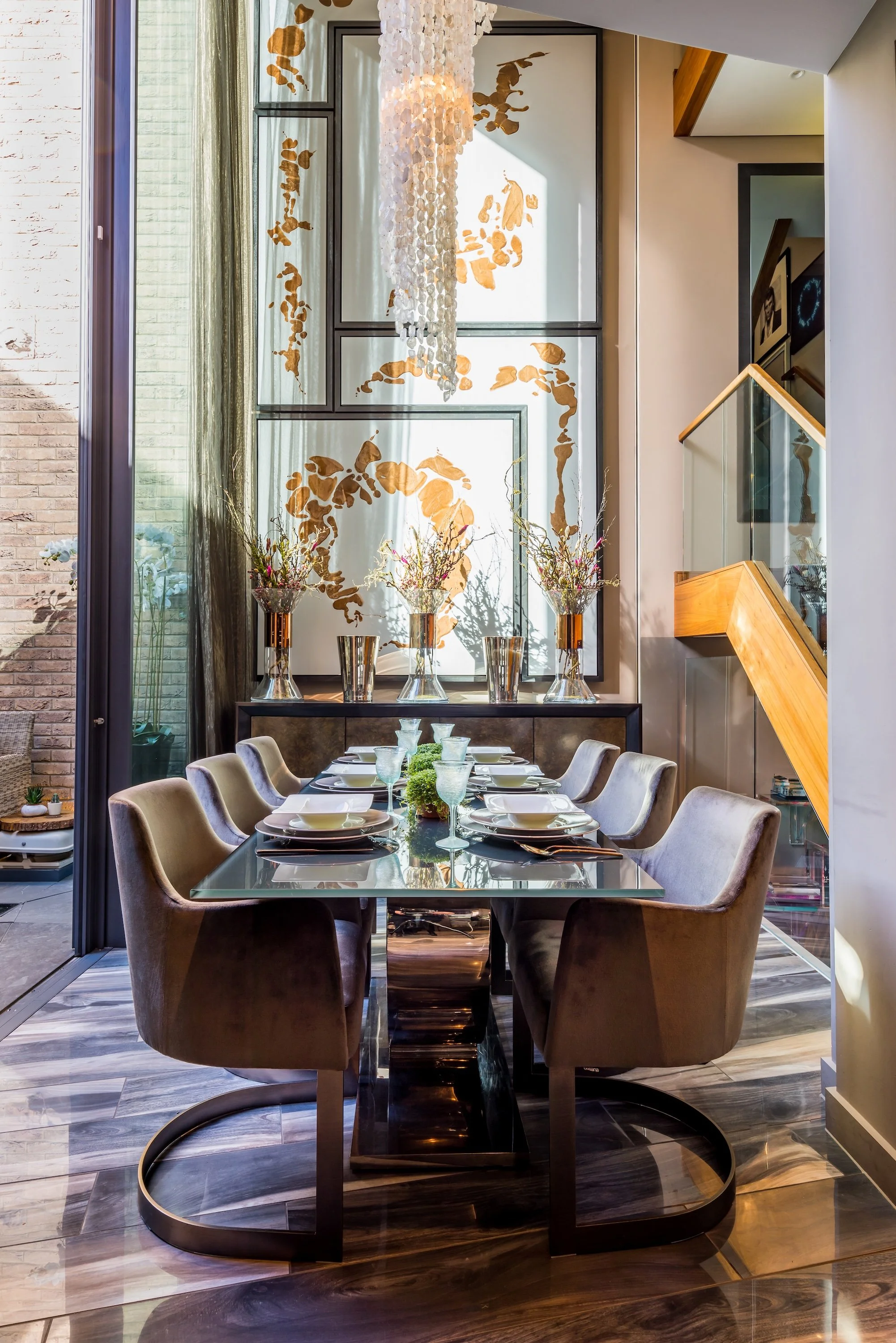
Cotswold Mews, a film location in London.
Send us your brief — and we’ll help source cinematic locations shaped by atmosphere, realism and visual character.