
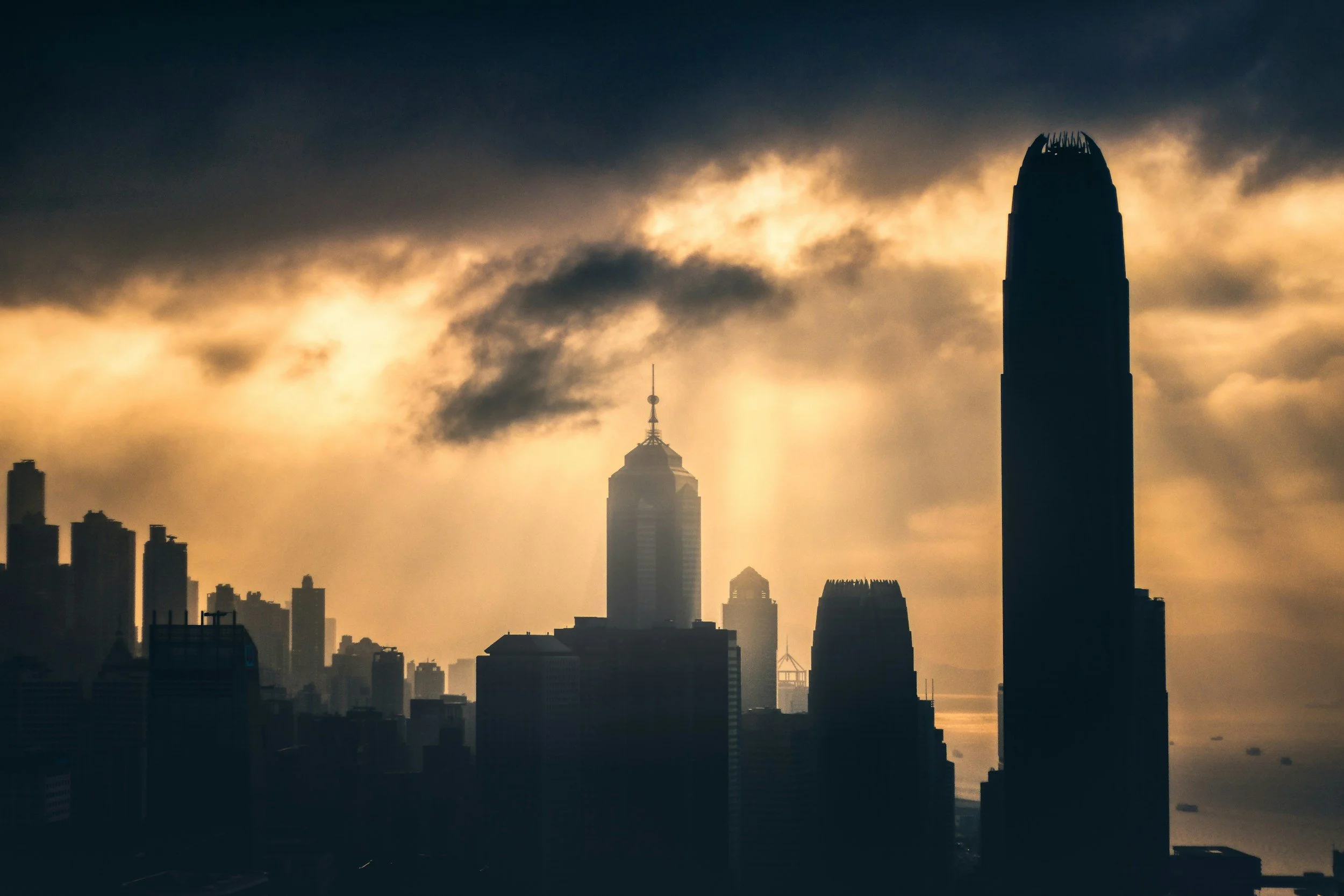
Inside the Gritty, Game-Faithful Filming Locations of The Last of Us Season 2
How the hit HBO series transformed Canadian locations into a believable post-apocalyptic America — and what it means for the future of screen locations.
As The Last of Us returns for a highly anticipated second season, it’s clear the HBO juggernaut has done more than dodge the so-called “video game adaptation curse” — it’s redefining it. Adapted from Naughty Dog’s acclaimed game The Last of Us Part II, the series continues to deliver emotionally rich storytelling through the eyes of Joel (Pedro Pascal) and Ellie (Bella Ramsey), set against a hauntingly broken America.
But beyond the infected, the heartbreak and the factional warfare, the series’ locations remain a beautiful homage to the game’s first beauty. Authentic, cinematic and grounded, each backdrop plays a vital role in immersing audiences — and fans of the original game — into this brutal new world.
At Silverstein Locations, we’re always attuned to how major productions handle real-world environments. For The Last of Us Season 2, it’s not just about beautiful vistas or urban decay — it’s about getting it right.
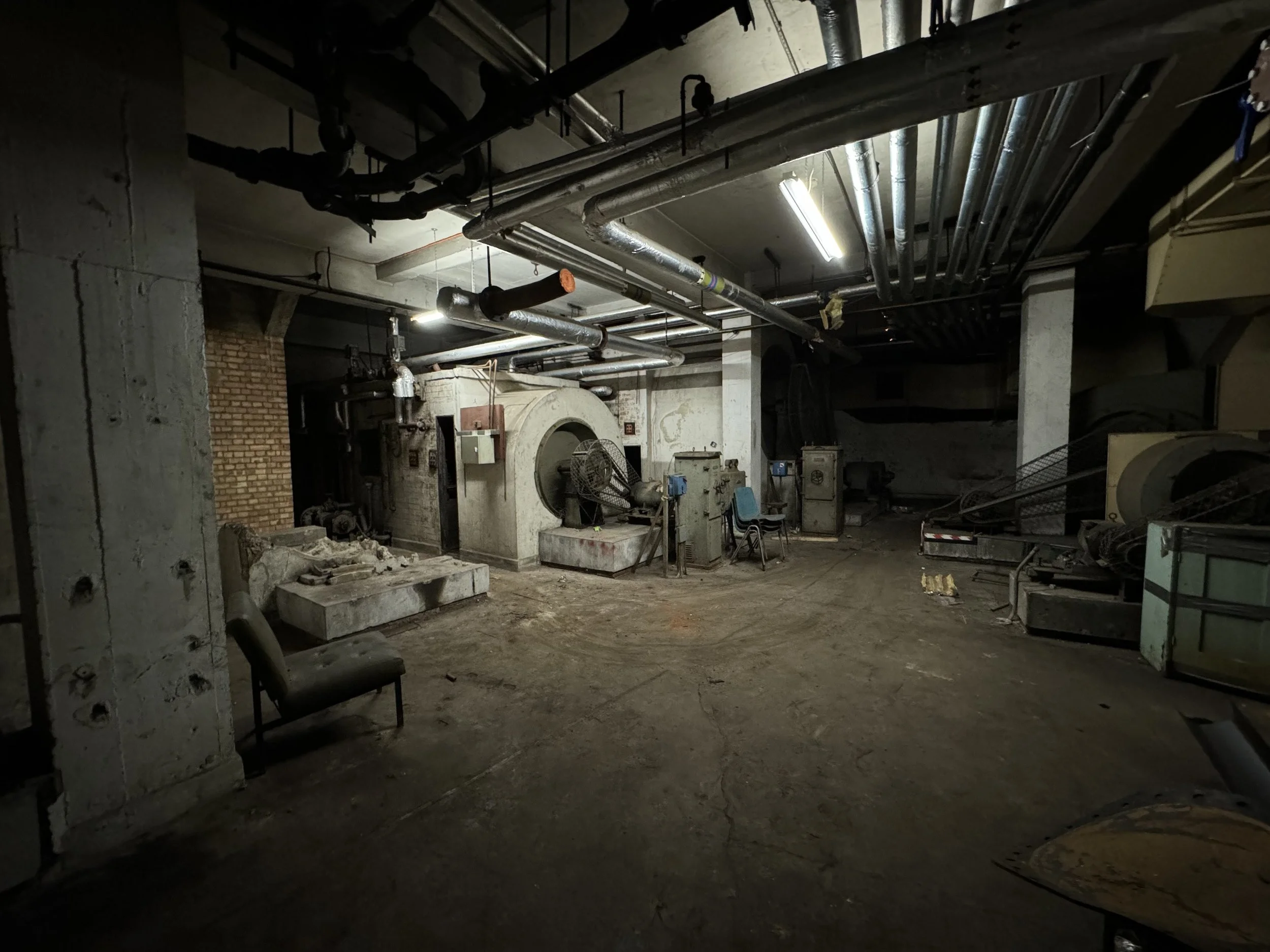
Heritage Hall, a Greenwich film location perfect for apocalyptic settings.
Why Filming Locations Matter
For location managers and production companies, Season 2 offers a masterclass in sourcing and adapting real locations to suit game-faithful environments. It also underscores the growing importance of versatile, production-ready spaces — especially for high-concept genre storytelling.
This season shifts from the frozen corridors of Alberta (used heavily in Season 1) to British Columbia, where the creative team has deftly built believable stand-ins for Jackson, Wyoming and war-torn Seattle. The result? Locations that feel ripped from the game, while still offering production flexibility, safety and scale.
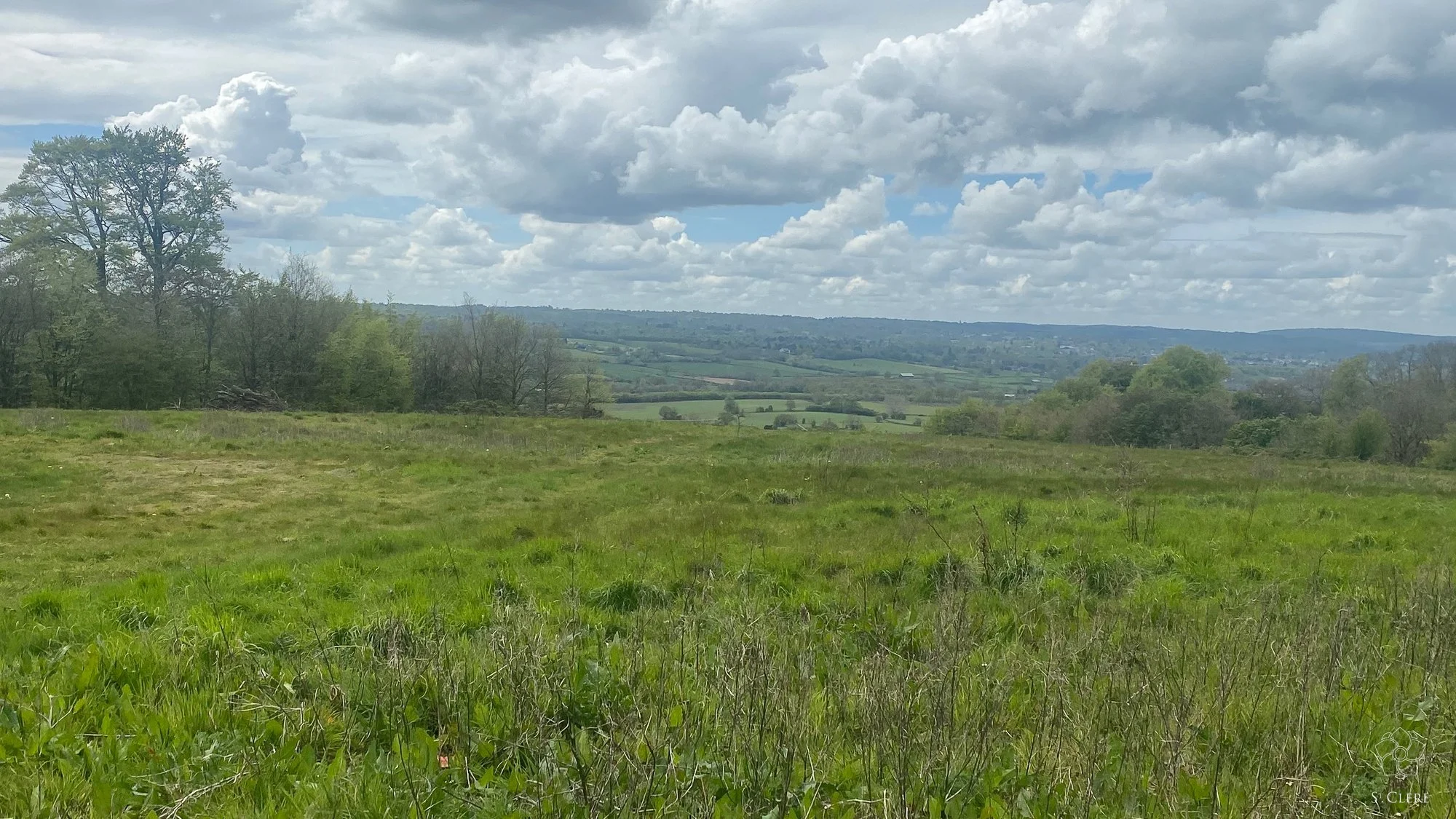
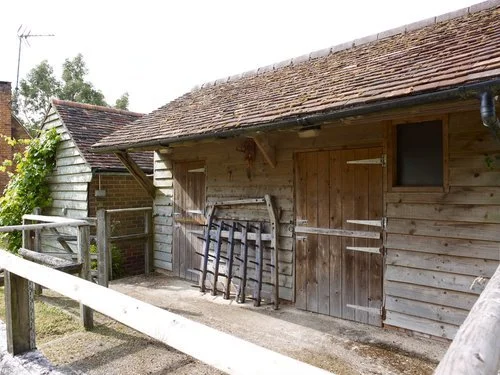
Jackson Reimagined: Britannia Beach, BC
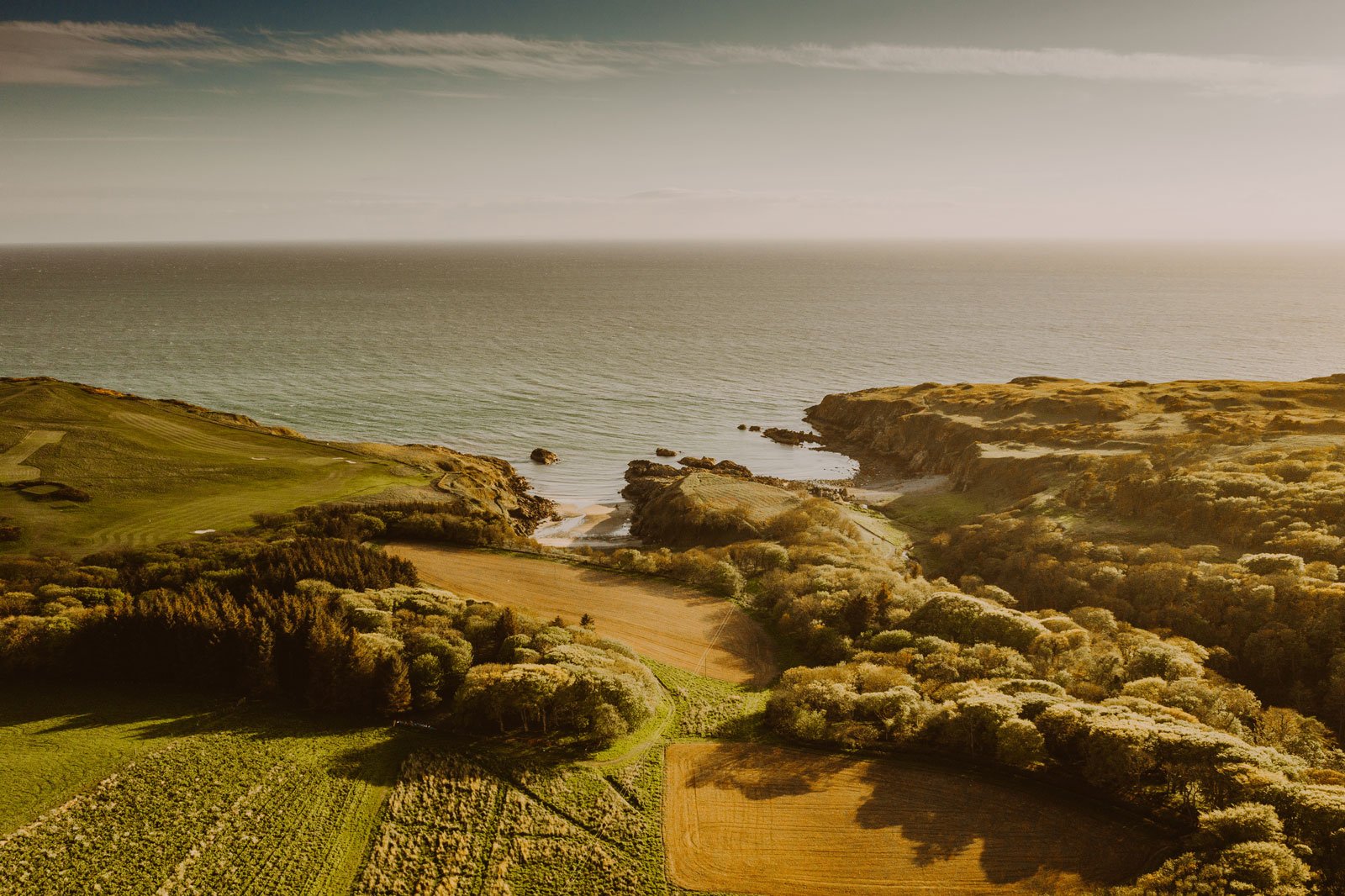
Replacing Alberta’s Canmore, Season 2 finds its new Jackson in the quiet charm of Britannia Beach. Nestled along the Sea-to-Sky Highway, this coastal town became a fully realised frontier settlement, mirroring the safe-zone vibe of the in-game Jackson community.
The production built wooden structures and communal areas from scratch, creating a lived-in, functioning environment for Ellie’s evolving storyline. For potential location owners, it’s a testament to how smaller, rural spaces can be transformed into high-value assets with the right production design and vision.
Seattle’s Gritty Facelift: Vancouver & Nanaimo
The chaos of The Last of Us Part II largely takes place in a war-ravaged version of Seattle — and for that, the crew looked to Vancouver and Nanaimo. Vancouver’s Downtown Eastside, Stanley Park and Gastown were all reworked with military set-dressing and derelict props to reflect the fractured tension between the WLF and Seraphites.
Meanwhile, Nanaimo, dubbed “The Harbour City”, stood in for Capitol Hill and surrounding neighbourhoods. One notable scene captured Ellie and new character Dina (Isabela Merced) riding through city streets on horseback, shot with cinematic precision in real-world locations that balanced scale with controlled access.
For location scouts and managers, these sequences highlight the value of adaptable mid-sized urban environments that offer visual diversity without the logistical challenges of larger metropolitan hubs.
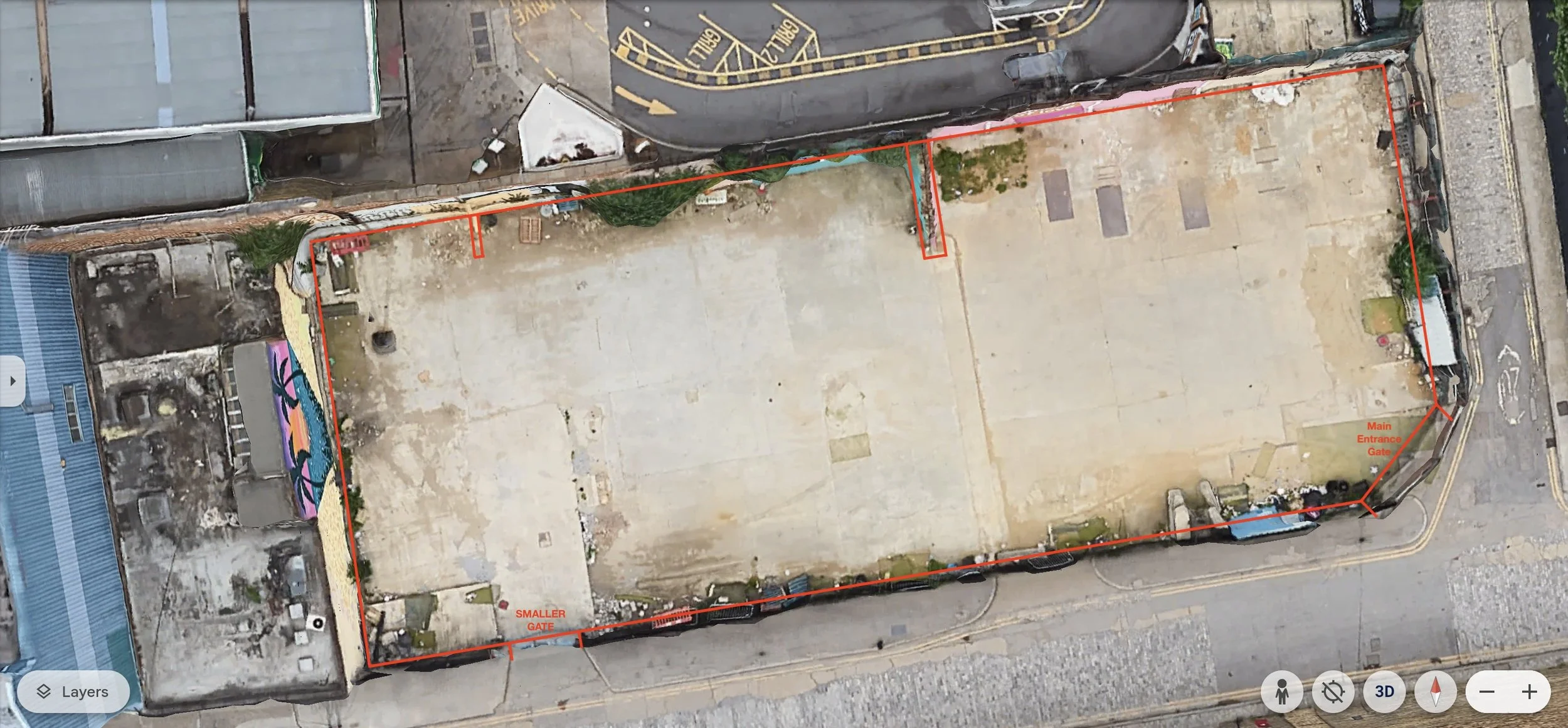
Wapping Unit Base, an urban filming location and unit base in London
New Westminster & Fort Langley: Hidden Gems with High Impact
When subtlety and charm are needed, Fort Langley, Mission and New Westminster delivered. These towns — often used in Hallmark productions — doubled as residential areas of Jackson and outlying Seattle zones. Their strong infrastructure and ready access for crews made them ideal for shooting emotional, character-driven scenes away from the spectacle.
These areas continue to gain attention as go-to filming spots, providing cost-effective alternatives for productions that require both authenticity and flexibility.
Calgary & Exshaw: A Nod to the Past
Although production shifted west, Alberta wasn’t entirely left behind. Calgary returned for key sequences, a familiar partner from Season 1. Meanwhile, Exshaw, with its snowy conditions and remote setting, was used for intense flashbacks and wilderness encounters.
Snow was even trucked in for continuity — a reminder of the detailed preparation that goes into environmental consistency across scenes. It’s this level of commitment that underlines how crucial reliable, weather-resilient locations are in large-scale television.
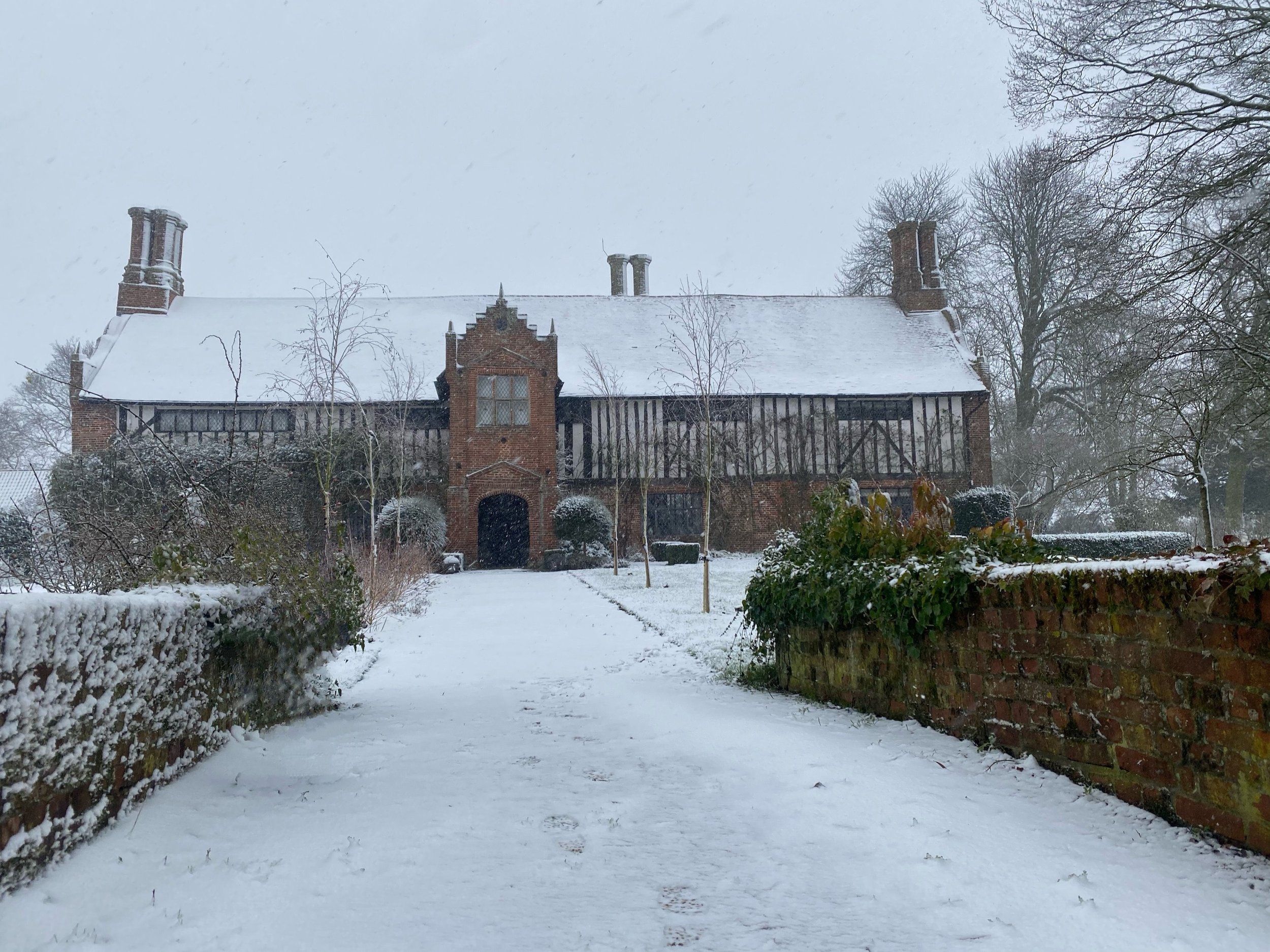
Tudor Manor House, a film location in Suffolk.
What This Means for Location Professionals
Whether you're a location manager looking to pitch your next space or a property owner curious about entering the film and TV space, The Last of Us Season 2 should be on your radar. It demonstrates how varied locations — from coastal hamlets to urban districts — can be reimagined as part of a global franchise.
It also reflects a growing trend in production: the need for sites that can transform, not just impress. At Silverstein Locations, we champion properties with personality, accessibility and adaptability — all qualities that Season 2’s locations bring in spades.
Ready to List or Scout?
If you manage a unique site or want to explore locations with cinematic potential, Silverstein Locations is here to connect you with the world’s top production teams. From post-apocalyptic landscapes to warm, character-rich spaces, we help create stories that resonate on screen — and maximise the potential of every square metre.
Let your location tell a story. Reach out to Silverstein Locations today.