
THE RISE OF SCREEN TOURISM: WHY LOCATIONS MATTER MORE THAN EVER
The Rise of Screen Tourism: Why Locations Matter More Than Ever
13th of April, 2026.
The Rise of Screen Tourism: Why Locations Matter More Than Ever
Key Takeaways:
Screen tourism is now a revenue-driving engine for locations
High-profile film and HETV productions are no longer just creative outputs — they are powerful drivers of tourism, regional investment and long-tail location value. Partnering with destinations, film commissions and tourism boards can significantly amplify a location’s lifecycle beyond the shoot.Locations are becoming strategic assets, not just backdrops
From iconic landscapes to lived-in homes, productions are increasingly choosing locations that function as characters. For location owners, scouts and production teams, this means greater demand for distinctive, story-rich spaces — and bigger opportunities to monetise them across multiple revenue streams.
An early shifting production landscape
There’s been a subtle shift in how locations are being used across film and high-end television. What was once a purely practical decision — “does this space work for the scene?” — is now a strategic one: “does this location add value beyond the screen?”
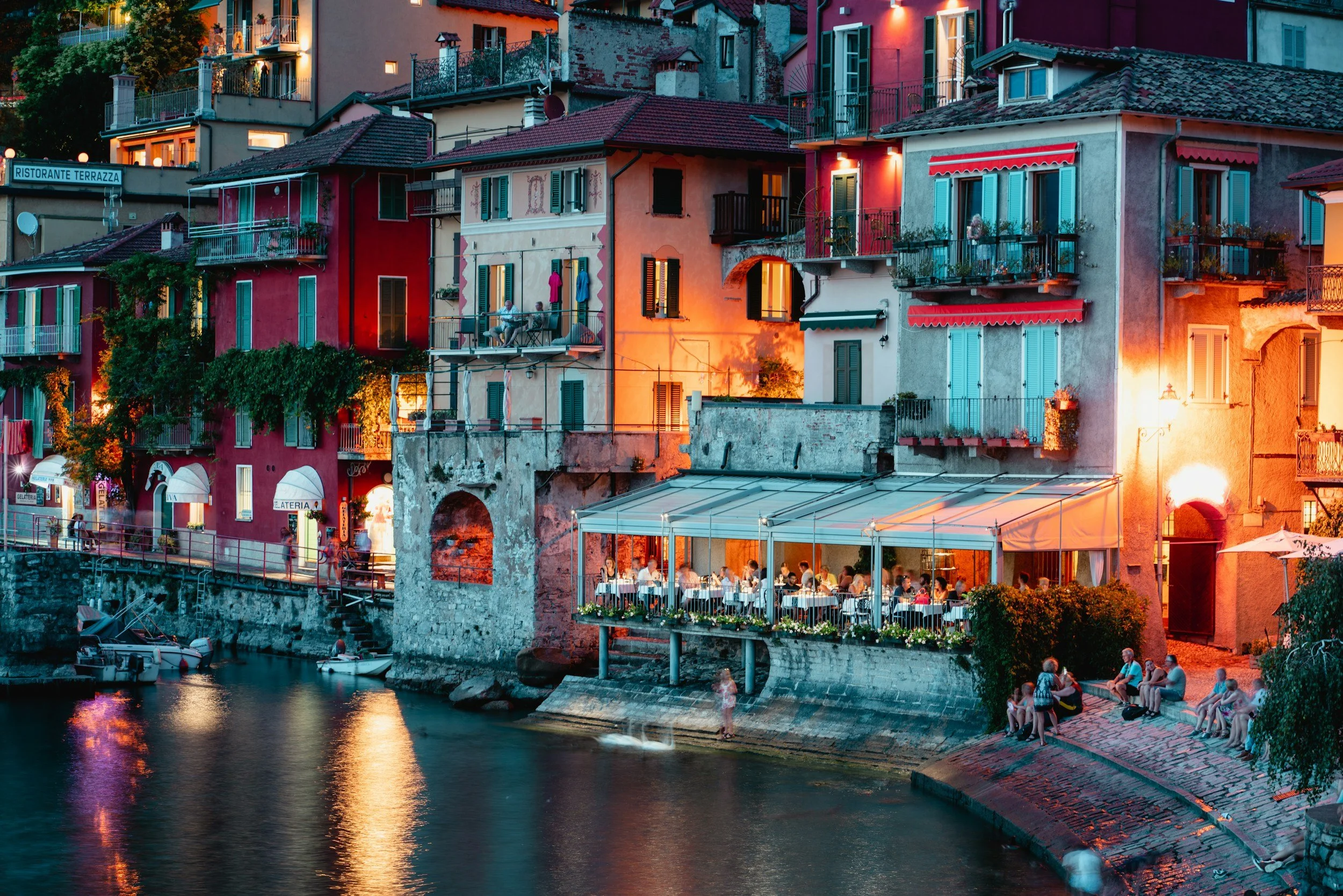
Audiences aren’t just consuming stories anymore — they’re chasing them. Landscapes, streets and homes featured on screen are turning into real-world destinations, with viewers actively seeking out the places behind their favourite scenes.
For location managers and scouts, this changes the brief entirely. It’s no longer just about access and logistics — it’s about finding places that resonate, visually and emotionally.


The Growing Power of Screen Tourism
Tourism and production are becoming increasingly intertwined, with national agencies and film bodies aligning their efforts to maximise the impact of on-screen storytelling.
Organisations like the British Film Commission and VisitBritain are actively working together to position filming locations as global travel experiences — not just fleeting backdrops.
This kind of collaboration is creating a ripple effect:
Productions gain extended visibility and marketing support
Locations gain international exposure
Regions benefit from increased visitor spend and cultural relevance
For production companies, this opens up opportunities to align with tourism campaigns, unlock additional funding streams and extend the lifespan of a project far beyond release.
What Makes a Location Stand Out Now?
The bar has been raised. A “good” location is no longer enough — it needs to be memorable, characterful and story-driven.
Across recent productions, we’re seeing a preference for:
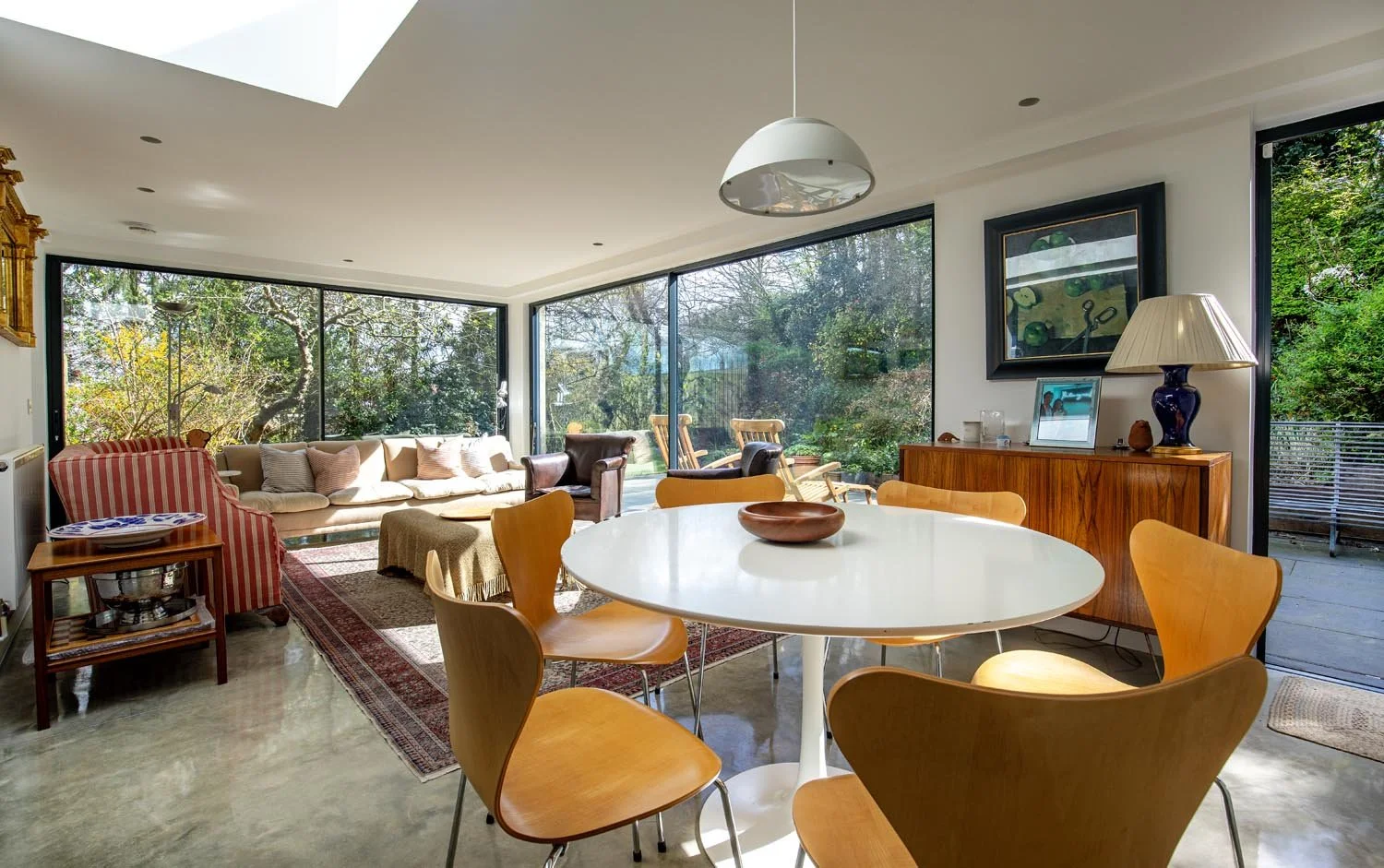
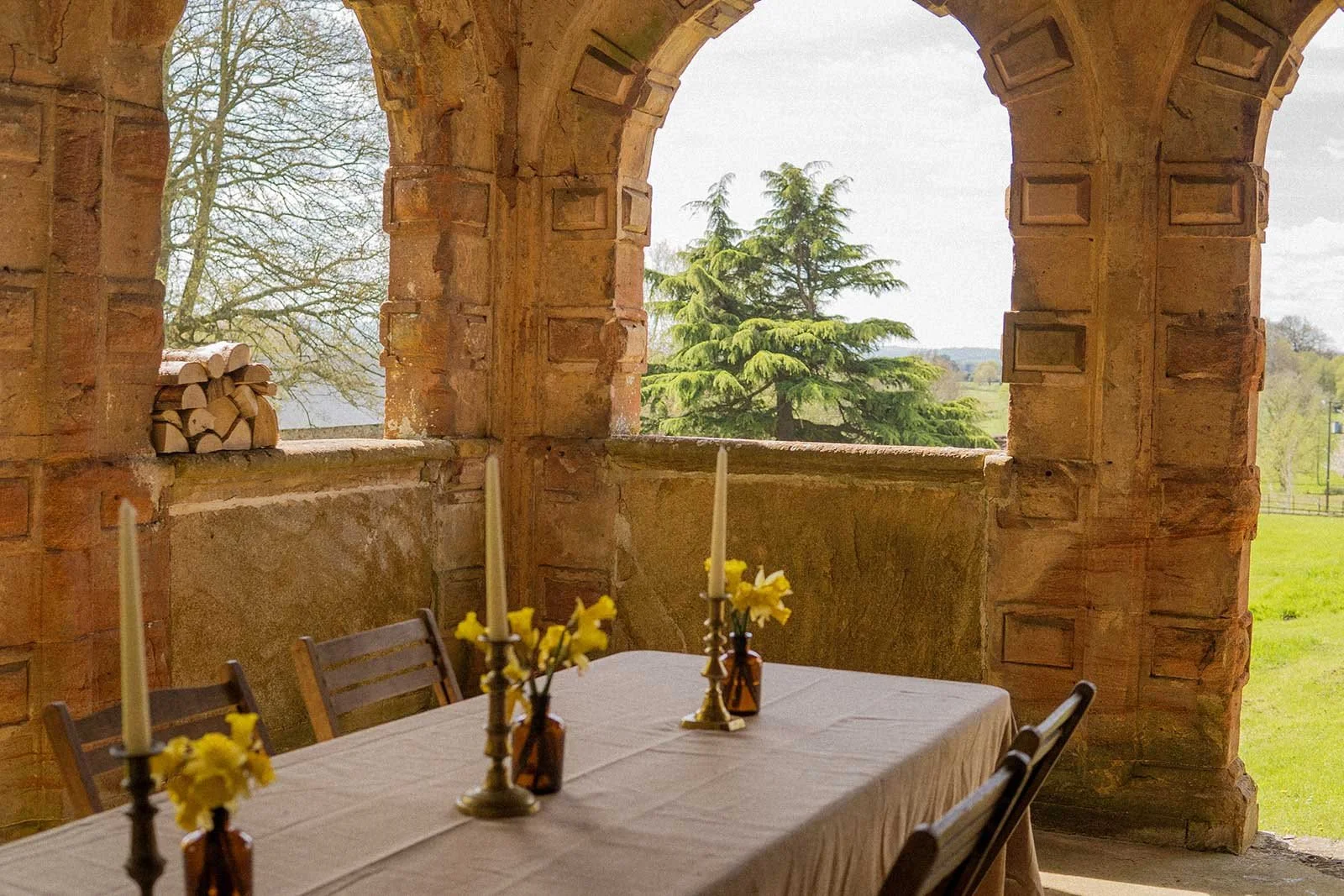
Environments with strong visual identity (coastlines, historic cities, unique architecture)
Spaces that feel lived-in and authentic
Locations that can double as multiple settings or evolve within a narrative
Cities like London continue to dominate due to their versatility, while regions across the UK are increasingly being used to represent everything from period drama to futuristic worlds.
At the same time, rural and lesser-known areas are gaining traction — particularly when they offer something visually distinctive that hasn’t been overexposed.
Thinking Beyond the Shoot
One of the biggest mindset shifts is what happens after production wraps.
Locations that feature on screen can continue to deliver value through:
Tourism and visitor experiences
Commercial partnerships and brand activations
Repeat bookings driven by increased visibility
For location owners and reps, this means asking:
How can this space be marketed once it’s been filmed?
Does it have the potential to become a destination?
Can it support additional revenue streams beyond production hire?
The most successful locations are now being treated like long-term assets, not one-off hires.
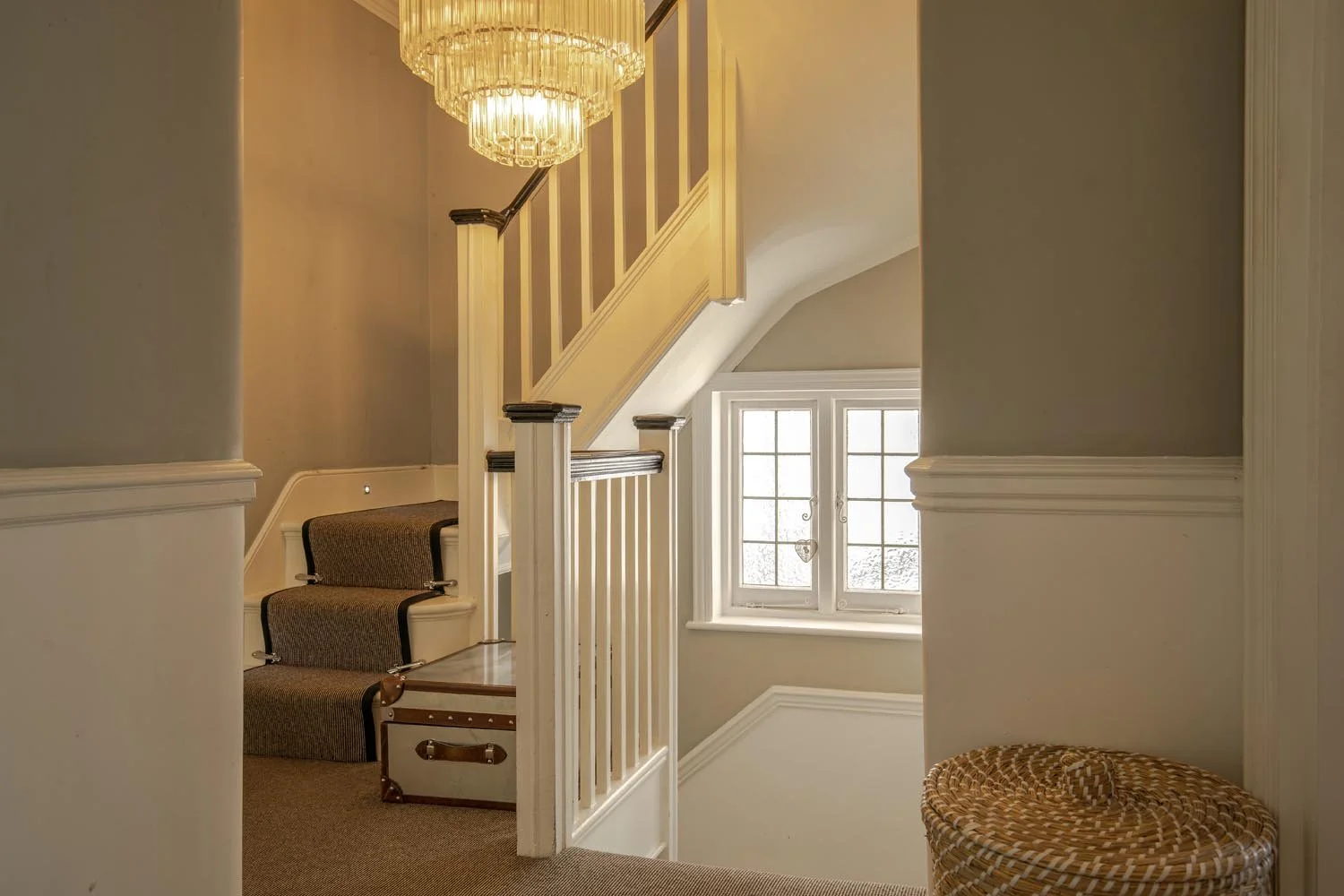
Wisteria House, a film location in Ealing, London.
Extending the Life of a Location
There’s also a growing opportunity in the content that surrounds a production.
Behind-the-scenes footage, location features and digital content can:
Keep audiences engaged between releases
Build a deeper connection to place
Provide valuable marketing material for both productions and locations
For scouts and production teams, capturing this content while on-site is becoming an increasingly smart move — especially when working with partners who can amplify it globally.
A More Collaborative Landscape
Another emerging trend is collaboration — not just between production and tourism bodies, but across regions and even countries.
As projects scale and audiences become more global, productions are spanning multiple locations and territories. This creates:
More ambitious storytelling opportunities
Stronger international partnerships
Wider tourism impact across multiple destinations
For the industry, it signals a move towards connected ecosystems rather than isolated shoots.
Success now comes down to:
Sourcing locations with real identity and narrative value
Positioning them for long-term commercial potential
Thinking beyond the shoot into visibility, tourism and legacy
Because in today’s landscape, the best locations don’t just frame the story — they become part of it, and continue telling it long after the cameras stop rolling.