
WHY AUTOMOTIVE SHOOTS NEED MORE THAN A PRETTY BACKDROP
Why Automotive Shoots Need More Than a Pretty Backdrop
27th of April, 2026.
Why Automotive Shoots Need More Than a Pretty Backdrop
Key Takeaways:
Automotive shoots require film-ready locations built for logistics, access and control — not just visual appeal
Car commercials, branded content and high-end automotive campaigns demand locations that can handle vehicle movement, tracking rigs, crew infrastructure and controlled environments. Location scouting for automotive productions prioritises road access, surface quality, safety and technical flexibility alongside cinematic value.The most in-demand automotive filming locations combine strong visual identity with production-grade usability
From wide-open landscapes to urban environments, the best locations for car shoots are those that deliver both aesthetic impact and operational efficiency. Production companies and location scouts are actively searching for versatile, vehicle-friendly locations that reduce friction on set and maximise shooting time.The demand for unique filming locations across the UK continues to grow, driven by high-end television, global streaming platforms and large-scale feature films. But while demand is high, so is competition.
On the surface, automotive content can look deceptively simple: a car, a striking setting, and a camera. But anyone who has worked on a car commercial or branded shoot knows the reality is far more complex.
Unlike standard filming locations, automotive shoots introduce a completely different layer of requirements. Movement, machinery, safety, and precision all come into play — and suddenly, a visually stunning location can become unusable if it doesn’t support the practical demands of the shoot.
For production companies, location managers and scouts, this changes the brief entirely.



The Reality of Automotive Production
Automotive shoots are built around motion. Whether it’s high-speed tracking, precision driving or static beauty shots with complex rigging, the location needs to accommodate far more than just a camera and crew.
Key considerations include:
Road quality and surface consistency for driving shots
Sufficient space for tracking vehicles, camera cars and rigging equipment
Controlled environments to manage traffic, pedestrians and sound
Safe access points for vehicles entering and exiting the location
Room for unit base, crew parking and technical setup
A location that looks perfect in a still image can quickly fall apart under these requirements.
Aesthetic vs Usability: Where Locations Fall Short
One of the most common challenges in automotive location scouting is the gap between visual appeal and practical usability.
A narrow coastal road might look incredible on camera, but if it cannot be safely controlled or doesn’t allow space for tracking vehicles, it becomes a risk. Similarly, an architecturally striking urban setting may lack the access or permissions needed to accommodate a full crew and multiple vehicles.
This is where many locations fail.
For automotive productions, the ideal location must work on two levels:
Cinematic — delivering the brand’s visual identity
Operational — enabling the shoot to run efficiently and safely
Without both, compromises are inevitable — and costly.
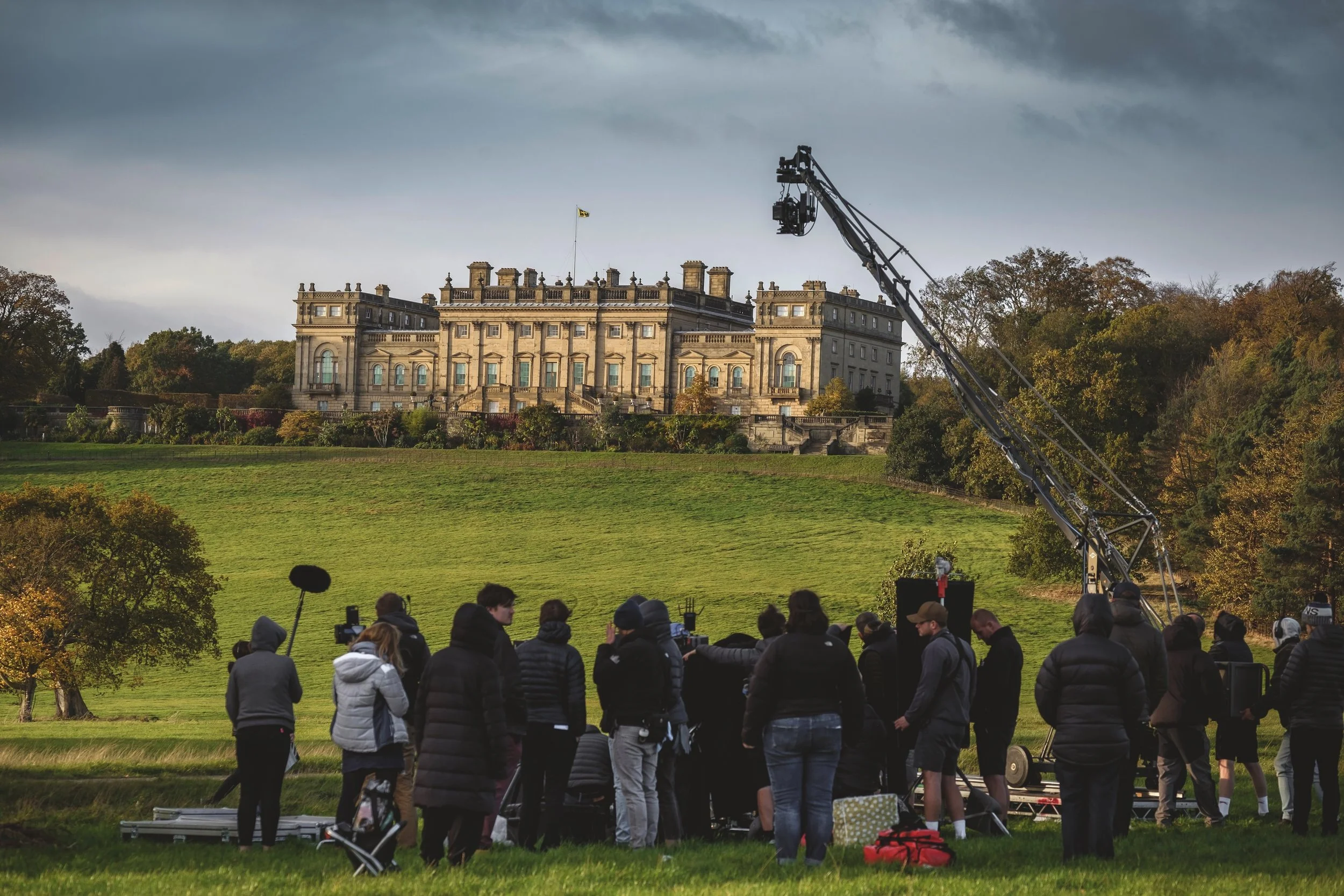
Georgian Stately Home, a film location in Yorkshire.
Control Is Everything
Control is one of the biggest differentiators in automotive shoots.
Production teams need to manage:
Traffic and road closures
Public access and safety
Noise and environmental conditions
Timing for specific traffic or weather conditions
Locations that offer a higher degree of control — whether through private roads, remote settings or film-friendly infrastructure — are significantly more valuable.
For location managers and scouts, this often means prioritising spaces that can be secured, adapted and repeated without disruption.
The Rise of Multi-Functional Locations
Another growing trend in automotive production is the demand for multi-use locations.
Rather than moving between multiple sites, production companies are increasingly looking for locations that can deliver:
Driving sequences
Static hero shots
Detail and interior shots
Multiple visual “looks” within one area
This reduces time, cost and complexity — all of which are critical on high-budget shoots.
Locations that can offer variation — different textures, backdrops, elevations or architectural elements — have a clear advantage.
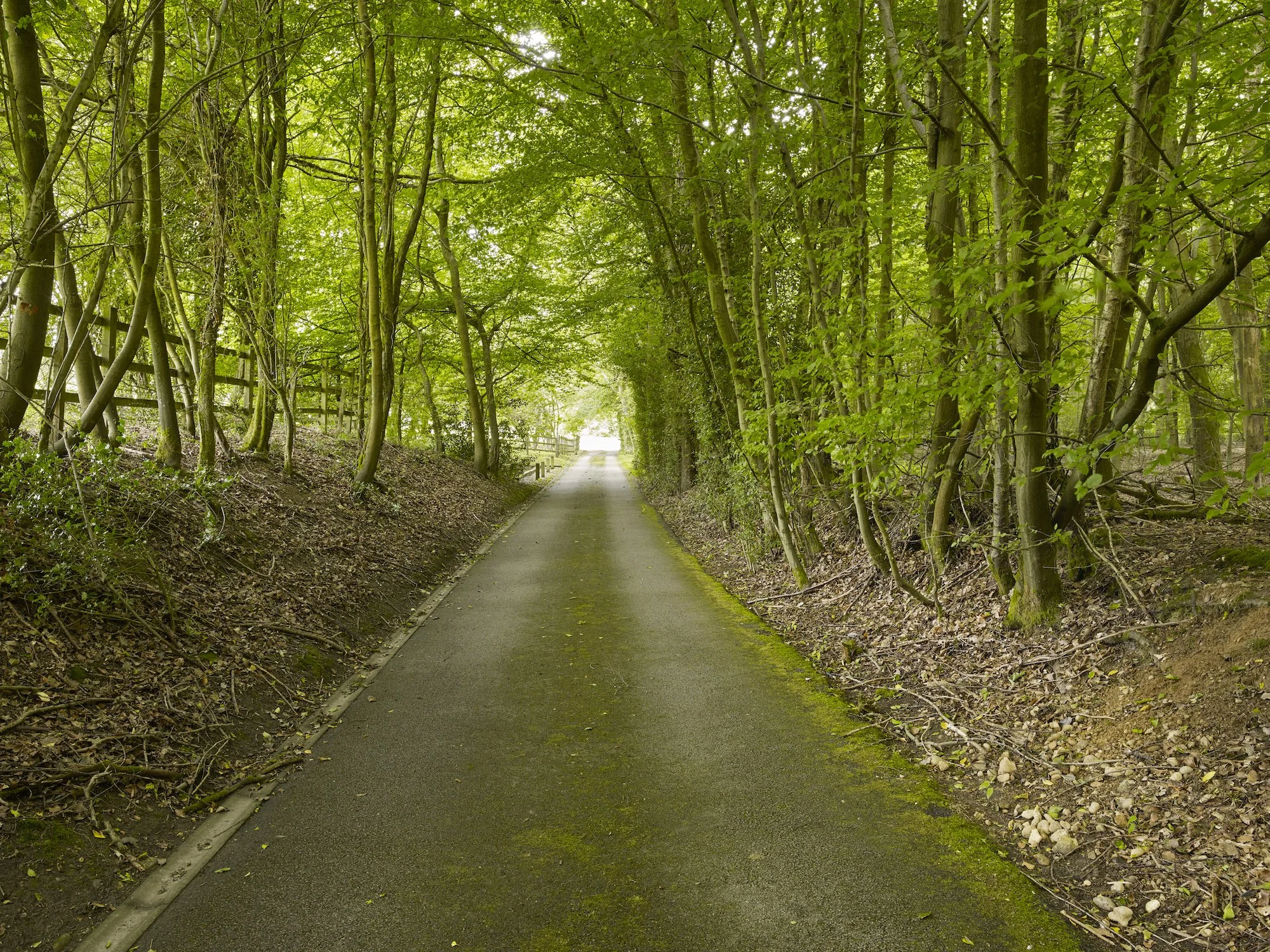
Wheatsheaf Farm, a film location in Buckinghamshire.
What Location Scouts Are Prioritising
For automotive shoots, scouts are not just asking “does it look good?” — they are asking:
Can we drive here safely and repeatedly?
Is there enough space for camera rigs and support vehicles?
Can we control the environment?
Will this location slow us down or speed us up?
In many cases, a slightly less visually dramatic location that works seamlessly for production will win over a more striking but restrictive option.
The Cost of Getting It Wrong
Choosing the wrong location for an automotive shoot doesn’t just create inconvenience — it can derail an entire production.
Common issues include:
Delays due to access or permissions
Safety risks during driving sequences
Increased costs from workarounds or additional locations
For production companies, these risks translate directly into budget overruns and lost time.
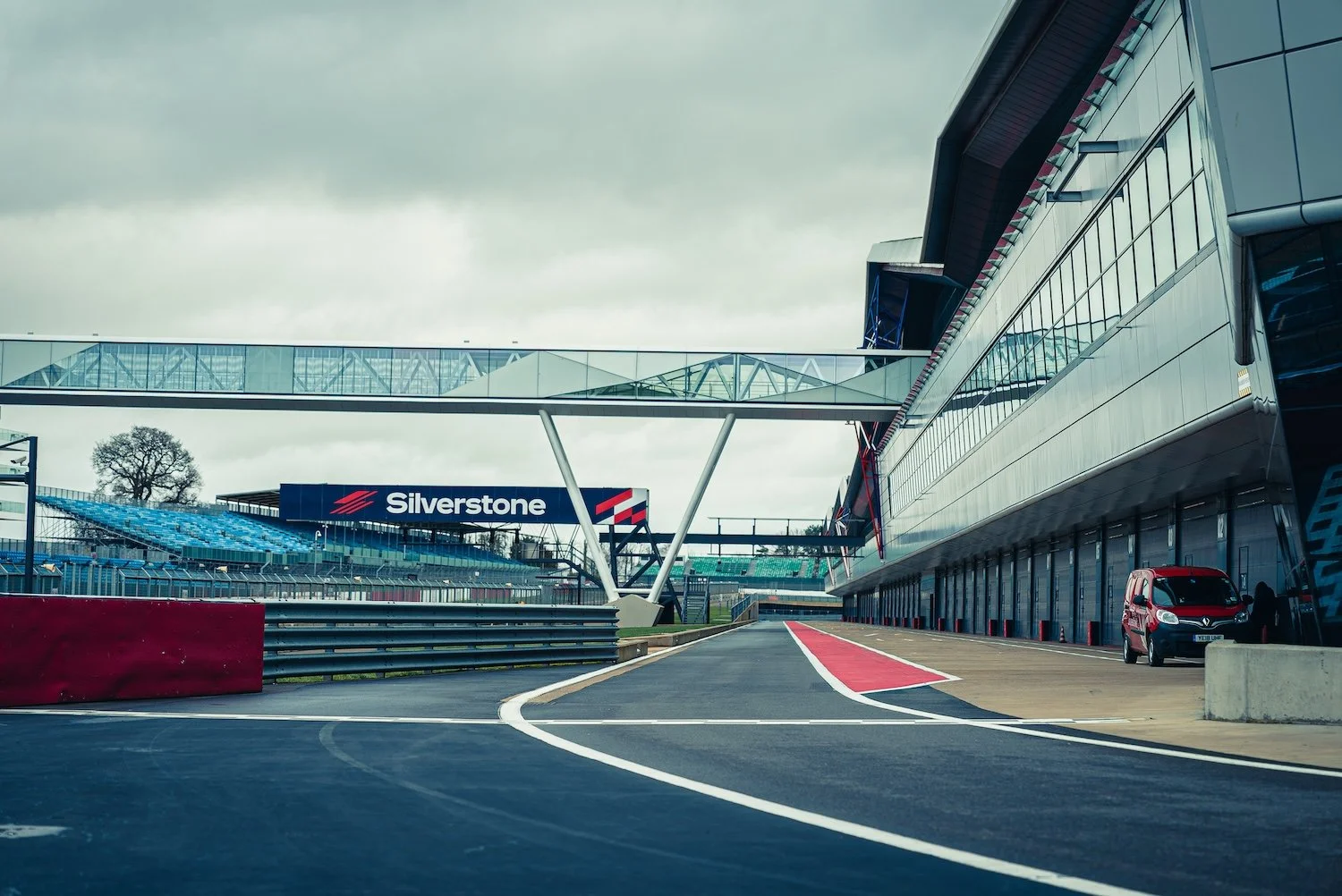
Silverstone Circuit, a film location in Northamptonshire and Buckinghamshire.
Positioning Locations for Automotive Demand
For location owners and reps, there is a clear opportunity to position properties specifically for automotive use.
This means highlighting:
Driveable access and road conditions
Tracking for vehicles, rigs and crew
Flexibility for road closures or control
Nearby infrastructure for unit base
It also means understanding that automotive clients are not just buying a backdrop — they are buying functionality, efficiency and control.
The Bottom Line
Automotive shoots operate at a different level of complexity, where logistics and precision are just as important as visual impact.
For production companies, location managers and scouts, the goal is to find locations that remove friction — not add to it.
Because in automotive production, the best locations are not just the ones that look the part — they are the ones that enable the entire shoot to run seamlessly from first setup to final shot.